
Anúncios
For millennia, humanity has understood a profound truth: the fertility of soil determines the survival of civilizations, and ancient peoples celebrated this connection through elaborate rituals.
🌾 The Sacred Connection Between Feasting and Fertility
Long before modern agriculture transformed our relationship with the land, ancient communities recognized that soil was not merely dirt beneath their feet—it was a living entity that required reverence, renewal, and celebration. Agricultural rituals served as the backbone of these early societies, marking the cyclical nature of planting and harvest with ceremonies that combined practical knowledge with spiritual devotion.
Anúncios
These celebrations were far more than superstitious practices. They represented sophisticated systems of agricultural management wrapped in religious symbolism. When communities gathered to feast in honor of soil renewal and new harvest cycles, they were simultaneously strengthening social bonds, passing down essential farming knowledge, and implementing rest periods that allowed the land to regenerate.
Ancient Mesopotamia: Where Agricultural Rituals Were Born
The cradle of civilization provides some of the earliest documented evidence of agricultural feasting rituals. In ancient Sumer and Babylon, the Akitu festival celebrated the spring barley harvest and the renewal of cosmic order. This twelve-day celebration included elaborate feasts, ritual processions, and ceremonies designed to ensure the fertility of both land and people.
Anúncios
The Mesopotamians believed that their gods directly controlled agricultural abundance. Dumuzi, the shepherd god, and Inanna, goddess of fertility, featured prominently in rituals designed to awaken the dormant earth. Priests would perform sacred marriages between deities, symbolically representing the union of soil and seed that would bring forth new life.
The Ritual Calendar of Ancient Farmers
These early agricultural societies developed intricate calendars based on celestial observations and seasonal changes. Each significant moment in the agricultural cycle—from first plowing to final harvest—warranted specific ceremonies and communal feasts. The consistency of these rituals helped communities maintain agricultural schedules while reinforcing cultural identity.
Egyptian Harvest Celebrations and the Nile’s Blessing 🌊
Ancient Egypt’s agricultural prosperity depended entirely on the annual flooding of the Nile River, which deposited nutrient-rich silt across the floodplains. The Egyptians developed elaborate rituals to honor this natural cycle, understanding intuitively what modern soil science confirms: periodic renewal is essential for sustained fertility.
The Wepet Renpet festival marked the Egyptian New Year, coinciding with the Nile’s flooding and the rising of Sirius in the pre-dawn sky. This celebration involved offerings to Hapy, the god of the Nile’s inundation, and included communal feasts featuring the previous year’s stored grain—a practice that ensured proper crop rotation and storage management.
Egyptian priests maintained detailed records of flood levels, harvest yields, and ritual observances. These documents reveal a sophisticated understanding of the relationship between land management practices and agricultural success, all framed within a religious context that made conservation practices culturally mandatory rather than merely advisable.
Greek Mysteries: Demeter and the Cycle of Death and Rebirth
The Eleusinian Mysteries of ancient Greece represented perhaps the most famous agricultural fertility rites of the classical world. These secret ceremonies honored Demeter, goddess of grain and harvest, and her daughter Persephone, whose mythological descent into the underworld explained the seasonal cycle of planting and harvest.
Initiates into these mysteries participated in ritual fasting followed by communal feasting, symbolically experiencing the agricultural cycle of scarcity and abundance. The kykeon, a barley-based ritual drink, connected participants directly to the grain they cultivated, creating a sacramental relationship between farmer and field.
Thesmophoria: Women’s Fertility Rites
The Thesmophoria festival was exclusively celebrated by married women and focused specifically on soil fertility. Participants would bury piglets and ritual cakes in underground chambers, allowing them to decompose before mixing the remains with seeds for planting. This practice demonstrated practical knowledge of organic fertilization disguised as religious observance.
The festival included periods of fasting, ribald humor, and finally, feasting—all designed to ensure agricultural and human fertility. These women-only ceremonies empowered female community members as guardians of agricultural knowledge and fertility secrets.
Roman Saturnalia and Agricultural Abundance 🎉
The Roman festival of Saturnalia, held in mid-December, celebrated Saturn, the god of agriculture and time. This week-long festival marked the winter solstice and the completion of the agricultural year, featuring role reversals, gift-giving, and elaborate public feasts.
During Saturnalia, normal social hierarchies were temporarily suspended. Masters served their slaves, symbolizing the equality that existed during Saturn’s mythical golden age of agricultural abundance. This ritual acknowledgment of agricultural workers’ essential contributions helped maintain social cohesion in a rigidly hierarchical society.
Romans also celebrated Robigalia in April, a festival designed to protect grain crops from disease. Priests would sacrifice rust-colored dogs to Robigus, the god of agricultural disease, while communities feasted on the previous year’s stored grain. This timing ensured that old stores were consumed before new harvests, preventing spoilage and maintaining grain quality.
Celtic Festivals: Marking the Turning Wheel of the Year
Celtic agricultural societies divided the year into four major festivals, each marking crucial transitions in the farming calendar. These celebrations integrated feasting, fire rituals, and divination practices designed to ensure soil fertility and abundant harvests.
Samhain, celebrated at the beginning of November, marked the end of the harvest season and the beginning of winter. Communities slaughtered livestock that couldn’t be sustained through winter, providing meat for elaborate feasts while reducing pressure on stored grain supplies. Bonfires were lit to honor the sun and encourage its return, while the boundary between human and spirit worlds was believed to thin, allowing ancestors to share in the feast.
Imbolc and the Promise of Spring
Imbolc, celebrated in early February, honored Brigid, goddess of fertility, poetry, and smithcraft. This festival marked the beginning of the lambing season and the first stirrings of spring. Ritual foods included dairy products, celebrating the return of milk production, and seeds were blessed for the upcoming planting season.
Beltane, the May Day festival, celebrated fertility in all its forms. Cattle were driven between two bonfires for purification before being taken to summer pastures, while communities feasted on the first spring greens and dairy products. These celebrations acknowledged the interconnection between animal husbandry, soil management, and crop cultivation.
Asian Agricultural Ceremonies: Rice and Renewal 🌾
Throughout Asia, rice cultivation shaped agricultural rituals that persisted for thousands of years. These ceremonies recognized rice as both staple crop and sacred gift, worthy of elaborate thanksgiving and renewal rites.
In ancient Japan, the Niiname-sai festival allowed the emperor to offer the first rice harvest to Shinto deities before anyone else could consume the new grain. This ceremony acknowledged that agricultural abundance was a divine gift requiring proper gratitude and respect. Community feasts followed the imperial offering, celebrating the successful completion of another agricultural cycle.
Chinese Agricultural Festivals and the Mandate of Heaven
Chinese emperors maintained their legitimacy through the Mandate of Heaven, which was demonstrated partly through successful harvests. Imperial plowing ceremonies marked the beginning of the agricultural season, with the emperor symbolically turning the first furrows while officials and nobility participated in ritual planting.
The Mid-Autumn Festival, celebrating the rice harvest, featured mooncakes and elaborate feasts shared with extended family. This celebration reinforced social bonds while marking the completion of the year’s most important agricultural work. Offerings were made to the moon, symbolizing the feminine fertility principle that complemented the masculine solar energy of spring planting.
Indigenous American Agricultural Rituals
Throughout the Americas, indigenous peoples developed sophisticated agricultural systems accompanied by ritual celebrations that honored the interconnection between soil, seed, and sustenance.
The Haudenosaunee (Iroquois) celebrated six major agricultural festivals throughout the year, including the Green Corn Festival marking the first corn harvest. These celebrations featured ritual games, dancing, and communal feasting, strengthening community bonds while acknowledging the gifts provided by the three sisters: corn, beans, and squash.
Mesoamerican Maize Ceremonies
For Mesoamerican civilizations, maize was not merely a crop but a sacred substance from which humanity itself was created. The Maya performed elaborate ceremonies to Yum Kaax, the maize god, including bloodletting rituals, dances, and feasts designed to ensure continued fertility and agricultural success.
The Aztec agricultural calendar included eighteen monthly festivals, many focusing on different aspects of maize cultivation and soil fertility. Tlacaxipehualiztli, the festival of spring planting, included ritual combat and offerings designed to ensure the earth’s renewal. These ceremonies acknowledged that new life required sacrifice and that soil fertility depended on proper management and respect.
The Science Behind Ancient Agricultural Wisdom 🔬
Modern agricultural science has vindicated many practices embedded in ancient fertility rituals. The practice of leaving fields fallow, often timed with religious festivals, allows soil microbiomes to recover and nutrients to replenish. Ritual burial of organic materials, as practiced in Greek Thesmophoria, effectively composted waste into valuable fertilizer.
Crop rotation, often encoded in seasonal festival cycles, prevents soil depletion and reduces pest populations. The timing of ancient festivals, based on astronomical observations, ensured that planting and harvesting occurred during optimal conditions for crop success.
The communal feasting aspect of these rituals served important practical purposes beyond spiritual observance. Shared meals reinforced social cooperation necessary for labor-intensive agricultural work. Festivals marking the end of harvest ensured that communities consumed stored foods before spoilage while celebrating successful completion of the agricultural cycle.
Sustainability Lessons from Ancient Feasting Traditions
Ancient agricultural rituals embedded sustainability practices within cultural and religious frameworks that made conservation mandatory rather than optional. When soil renewal became a sacred duty rather than merely practical advice, communities were more likely to implement necessary rest periods and rotation systems.
The seasonal nature of ritual feasting prevented overconsumption and encouraged preservation of resources. By designating specific times for celebration and specific foods for ritual consumption, ancient societies developed natural conservation practices that maintained food security across years of variable yields.
Community Cohesion Through Shared Celebration
Agricultural feasting rituals strengthened community bonds essential for cooperative farming. Harvest work required coordinated labor from entire communities, and seasonal celebrations rewarded this cooperation while reinforcing social structures. The shared experience of ritual fasting followed by abundant feasting created powerful emotional connections between community members.
These gatherings also facilitated knowledge transfer between generations. Elders would share farming wisdom during festival celebrations, ensuring that practical agricultural knowledge was preserved and transmitted. Young people learned seasonal timing, weather prediction, soil management, and crop selection through participation in ritual cycles.
Modern Revivals and Contemporary Significance 🌱
Contemporary interest in sustainable agriculture has sparked renewed appreciation for ancient agricultural wisdom. Modern farmers and gardeners are rediscovering practices that ancient peoples encoded in religious rituals, from composting to crop rotation to community-supported agriculture.
Farm-to-table movements and seasonal eating philosophies echo ancient practices of timing consumption to agricultural cycles. Modern harvest festivals, farmers’ markets, and community gardens recreate aspects of ancient feasting traditions, fostering connections between people and the land that sustains them.
Permaculture and regenerative agriculture movements explicitly draw on traditional agricultural knowledge, recognizing that sustainable food production requires working with natural cycles rather than against them. These approaches acknowledge what ancient peoples understood intuitively: soil is a living system requiring care, respect, and periodic renewal.
Reviving Ancient Wisdom for Future Food Security
As climate change and industrial agriculture’s limitations become increasingly apparent, ancient agricultural rituals offer valuable insights for developing sustainable food systems. The cyclical thinking embedded in seasonal festivals contrasts sharply with modern industrial agriculture’s extractive approach.
Community-based approaches to food production and celebration can rebuild connections between people and agricultural systems. Urban gardens, community composting programs, and seasonal festivals celebrating local harvests all draw on ancient traditions while adapting them to contemporary contexts.
The ritual aspects of ancient agriculture—the acknowledgment of mystery, the expression of gratitude, the recognition of interdependence—offer psychological and spiritual dimensions often missing from modern food systems. Reintroducing these elements, even in secular forms, may foster greater environmental stewardship and agricultural sustainability.
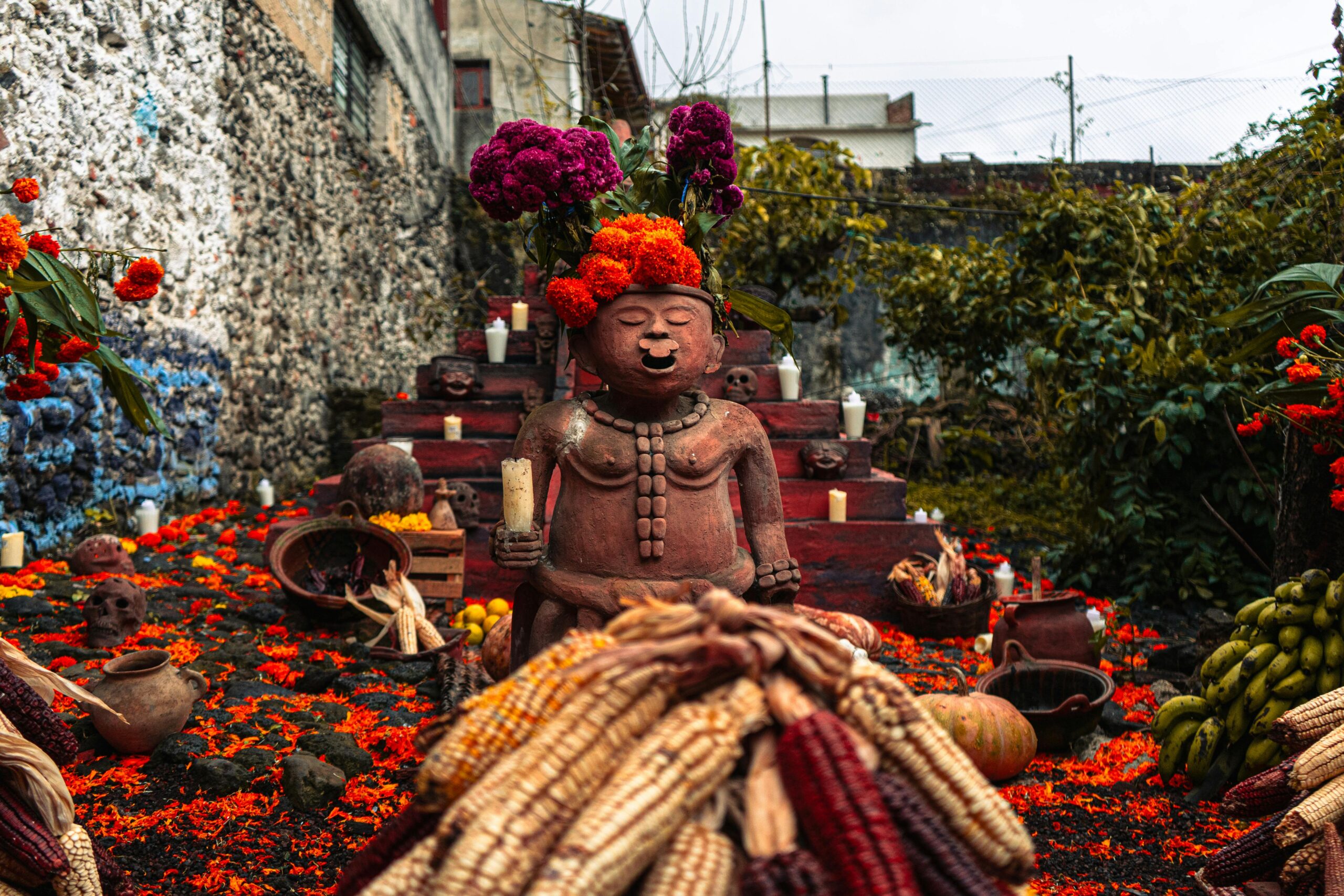
The Enduring Legacy of Agricultural Feasting 🎊
Ancient agricultural rituals celebrating soil renewal and harvest cycles represent humanity’s longest-lasting spiritual and practical traditions. These ceremonies encoded essential agricultural knowledge within cultural frameworks that ensured their transmission and practice across generations.
The feasting component of these rituals acknowledged a fundamental truth: agriculture is inherently communal, and successful food production requires cooperation, shared knowledge, and collective celebration. By making soil fertility a sacred concern, ancient peoples ensured that land management practices prioritized long-term sustainability over short-term exploitation.
Today, as we face unprecedented challenges in feeding a growing global population while preserving environmental health, the wisdom embedded in ancient fertility rituals remains remarkably relevant. The cyclical thinking, community cooperation, and reverence for soil that characterized these traditions offer valuable models for developing more sustainable and resilient food systems.
The ancient practice of feasting for fertility reminds us that agriculture is not merely a technical endeavor but a profound relationship between humanity and the living earth. Honoring that relationship through celebration, gratitude, and careful stewardship may be as essential now as it was thousands of years ago when our ancestors first gathered to give thanks for the soil’s renewal and the promise of new harvests to come.
