
Anúncios
The final harvest of the growing season holds profound spiritual and cultural significance across civilizations, marking a sacred transition between abundance and preparation for winter’s scarcity.
🌾 The Ancient Roots of Last-Seed Celebrations
Throughout human history, agricultural societies have recognized the critical importance of the final grain harvest. These last-seed festivals emerged as both practical celebrations of successful harvests and spiritual acknowledgments of the delicate balance between humanity and nature. Unlike spring planting festivals or midsummer celebrations, last-seed rituals carried a more solemn undertone—a recognition that the growing season was concluding and communities would soon depend entirely on stored reserves.
Anúncios
Archaeological evidence suggests that structured harvest-end ceremonies date back to the earliest agricultural settlements in Mesopotamia and the Fertile Crescent. These ancient peoples understood that the final grains collected would serve dual purposes: sustenance through the barren months and precious seed stock for the following year’s planting. This dual nature elevated the last harvest beyond mere food gathering into a sacred responsibility for community survival.
Cultural Variations Across Continents
Different cultures developed unique approaches to celebrating and ritualizing their final harvests, each reflecting local agricultural practices, spiritual beliefs, and environmental conditions.
Anúncios
European Harvest Home Traditions
In medieval Europe, the “Harvest Home” or “Ingathering” marked the completion of grain collection. Communities would fashion corn dollies from the last sheaf cut in the fields—symbolic representations believed to house the grain spirit through winter. These intricate woven figures were preserved with great care and ceremonially returned to the fields during spring planting, ensuring fertility for the new season.
British farmers developed elaborate customs around cutting the final stalks. In some regions, reapers would compete to avoid cutting the last stand, fearing they might trap the grain spirit. When finally cut, this last sheaf received special treatment—dressed, named, and given a place of honor in the farmhouse or community hall throughout winter months.
Asian Rice Harvest Ceremonies
In rice-cultivating cultures across Asia, final harvest festivals took on distinctive characteristics shaped by wet-field agriculture and different growing cycles. Japanese communities celebrated Niiname-sai, offering the first fruits of the final rice harvest to deities before any human consumption. This practice reinforced the spiritual contract between farmers and the divine forces governing fertility and weather.
Thai rice farmers developed Boon Khao Pradap Din ceremonies, honoring both ancestors and earth spirits. The ritual involved presenting rice from the final harvest to monks and creating elaborate offerings at field boundaries, acknowledging that successful agriculture depended on maintaining harmony with supernatural guardians of the land.
Indigenous American Grain Ceremonies
Native American agricultural societies, particularly among the Pueblo peoples and Eastern Woodland tribes, integrated final grain harvests into complex ceremonial calendars. The Green Corn Ceremony, while primarily associated with maize ripening, included provisions for preserving seed corn with ritual significance. These seeds received spiritual preparation to ensure they carried forward not just genetic material but also sacred energy for future generations.
The Haudenosaunee (Iroquois) observed elaborate thanksgiving protocols when storing the final corn harvest, recognizing the Three Sisters—corn, beans, and squash—as divine gifts requiring proper gratitude and respect. Specific families held hereditary responsibilities for maintaining ceremonial seed varieties, passing down both physical seeds and ritual knowledge through generations.
The Sacred Mathematics of Seed Reserves 📊
Ancient agricultural wisdom incorporated sophisticated calculations for determining appropriate grain reserves. These mathematical principles ensured communities balanced immediate food needs against seed requirements and potential crop failures.
Traditional farmers operated on the “rule of thirds” principle: one-third of the final harvest for immediate consumption, one-third for winter provisions, and one-third held as combined seed stock and emergency reserves. This conservative approach provided buffers against unpredictable weather, pest damage, or disease affecting the next planting season.
| Reserve Category | Percentage | Primary Purpose | Sacred Significance |
|---|---|---|---|
| Immediate Use | 33% | Post-harvest consumption | Gratitude offerings |
| Winter Stores | 33% | Sustenance until spring | Community survival covenant |
| Seed & Emergency | 34% | Next planting & backup | Future generations trust |
These proportions weren’t arbitrary but reflected accumulated wisdom about minimum viable reserves. Communities that deviated from these guidelines—consuming too much or storing insufficient seed—faced catastrophic consequences that entered cultural memory as cautionary tales integrated into festival teachings.
Ritual Protection of Grain Reserves
Once harvested and calculated, final grain reserves entered a liminal state requiring spiritual protection. Communities developed elaborate rituals to safeguard these precious resources from both physical threats and supernatural dangers.
Purification and Blessing Ceremonies
Before storage, grain underwent ceremonial purification. Priests, shamans, or designated spiritual practitioners performed blessings to cleanse the harvest of any malevolent influences accumulated during growth and collection. These rituals varied by culture but shared common elements: invocations to protective deities, fumigation with sacred smoke, and symbolic gestures establishing spiritual barriers around storage areas.
In Slavic traditions, farmers invited Orthodox priests to bless granaries with holy water and incense, often on specific holy days associated with grain patron saints. Similarly, Celtic communities performed fire rituals, passing grain containers over flames or encircling storage buildings with torches to create protective boundaries against harmful spirits.
Architectural Sacred Spaces
Grain storage structures themselves became sacred architecture. Granaries featured symbolic decorations, protective sigils, and orientation aligned with cosmological principles. Entrances faced auspicious directions according to local belief systems, and foundation stones received offerings during construction.
Some cultures buried protective objects beneath granary corners—iron nails to ward off fairies in Celtic regions, jade tokens for prosperity in Chinese communities, or blessed earth from temple grounds in Hindu societies. These architectural rituals transformed mundane storage into sanctified spaces where the community’s future literally resided.
Community Bonding Through Final Harvest Feasts 🍞
Last-seed festivals served crucial social functions beyond their agricultural and spiritual dimensions. These gatherings reinforced community bonds, redistributed resources, and renewed social contracts essential for collective survival.
Harvest feasts operated on principles of conspicuous generosity. Those who harvested abundantly were expected to share liberally, hosting elaborate meals and providing grain gifts to less fortunate neighbors. This wasn’t mere charity but formalized reciprocity—ensuring that crop failures affecting some families didn’t threaten overall community survival.
Young people participated in special harvest games and competitions designed to identify strong workers and suitable marriage partners. Grain-themed challenges tested strength, endurance, and agricultural knowledge, with winners receiving honored positions in the following year’s planting ceremonies. These activities subtly educated younger generations about agricultural cycles while facilitating social cohesion.
Symbolic Foods and Ritual Meals
Special dishes prepared from the final harvest carried symbolic meanings extending beyond nutrition. First bread baked from new-ground flour held particular significance, often blessed and shared ceremonially before general consumption began.
Many cultures prepared grain dishes with specific ingredient counts reflecting sacred numerology. Kutia in Ukrainian tradition combined twelve components representing the apostles. Scottish bannocks incorporated cross-marks before baking, transforming simple oatcakes into protective talismans. These ritual foods bridged physical and spiritual nourishment, reminding participants that grain sustained both body and soul.
The Seed Keeper’s Sacred Trust
Certain community members held specialized responsibilities for maintaining seed grain reserves. These seed keepers occupied unique social positions—part agricultural expert, part spiritual guardian—entrusted with preserving genetic diversity and ceremonial knowledge.
Seed keeper selection followed different patterns across cultures. Some societies assigned roles based on heredity, passing seed custody through family lines along with ritual knowledge. Others selected keepers based on demonstrated agricultural skill, spiritual aptitude, or advanced age and wisdom. Regardless of selection method, seed keepers underwent initiation ceremonies acknowledging their sacred responsibilities.
Storage Rituals and Seasonal Checks
Throughout winter months, seed keepers performed regular inspection rituals. These weren’t simply practical checks for moisture or pests but ceremonial occasions involving prayers, offerings, and symbolic communications with the grain spirit. Some traditions required keepers to fast before handling seed reserves or perform ablutions ensuring ritual purity.
Specific calendar dates marked mandatory seed inspections coordinated with astronomical events or saint days. During these checks, keepers assessed grain quality, rotated storage containers, and refreshed protective charms. Any signs of deterioration prompted additional rituals to strengthen spiritual protections or, in severe cases, community-wide ceremonies to address divine displeasure.
Weather Prediction and Agricultural Divination 🌙
Last-seed festivals incorporated divination practices aimed at forecasting coming seasons and making informed planting decisions. These prognostication methods combined empirical observation with spiritual interpretation, reflecting holistic understandings of agricultural causation.
Weather signs observed during harvest completion supposedly predicted winter severity and spring conditions. Unusual animal behaviors, cloud formations, or plant characteristics noted during final grain cutting were carefully recorded and interpreted by knowledgeable elders. Communities maintained oral archives of past correlations, gradually developing localized forecasting systems with surprising accuracy.
Some cultures performed formal divination using grain itself. Practitioners would cast seeds, observe falling patterns, and interpret configurations according to established symbolic systems. Others examined grain characteristics—kernel size, color variations, or growth abnormalities—as messages from agricultural deities about optimal planting strategies for the following season.
Modern Revival of Ancient Traditions
Contemporary interest in sustainable agriculture, local food systems, and heritage grain varieties has sparked renewed appreciation for last-seed festivals and traditional seed preservation practices. Modern celebrations blend ancient ritual elements with current environmental awareness, creating meaningful connections between past wisdom and present ecological challenges.
Heritage grain organizations now host seed swaps and preservation festivals that consciously evoke traditional harvest celebrations. These events educate participants about genetic diversity, seed sovereignty, and agricultural resilience while incorporating ceremonial elements that honor the sacred dimensions of seed keeping.
Organic farmers and permaculture practitioners increasingly recognize that traditional ritual calendars encoded valuable agricultural knowledge. Timing plantings according to moon phases, observing specific festival dates for field preparations, and maintaining seed reserves using ancient proportional guidelines often produces results that modern agronomic science struggles to explain through mechanistic frameworks alone.
Spiritual Ecology and the Future of Grain Traditions
As climate change disrupts established growing patterns and industrial agriculture’s limitations become apparent, the wisdom embedded in last-seed festivals gains new relevance. These traditions offer more than nostalgic connections to agrarian pasts—they provide philosophical frameworks for sustainable relationships with cultivated landscapes.
The sacred regard for seed reserves reflected in traditional festivals contrasts sharply with contemporary commodity approaches to grain. When seeds become mere inputs in industrial production chains rather than living links between generations, communities lose both genetic diversity and cultural knowledge essential for agricultural resilience.
Indigenous seed sovereignty movements consciously revive ceremonial approaches to grain preservation, understanding that spiritual protocols protect both biological heritage and cultural identity. By treating seeds as sacred trusts rather than property, these movements challenge legal and economic systems that threaten agricultural biodiversity and community food security.
Participating in the Cycle of Renewal ✨
Whether or not you maintain a direct connection to grain agriculture, the principles underlying last-seed festivals offer valuable insights for contemporary life. These traditions remind us that true security comes not from consuming everything immediately but from maintaining reserves that honor both present needs and future possibilities.
You might adapt these ancient practices by establishing personal or household traditions around seasonal transitions. Mark the late summer shift by consciously setting aside resources—whether monetary savings, preserved foods, or creative energy—as reserves for coming months. This practice cultivates the foresight and discipline that sustained agricultural communities through countless generations.
Consider joining or organizing community celebrations that acknowledge local harvest cycles. Even urban environments can host grain-themed gatherings that educate participants about food sources, agricultural heritage, and sustainable practices. Preparing traditional grain dishes together, sharing harvest stories, or creating symbolic grain art fosters community connections often missing in modern life.
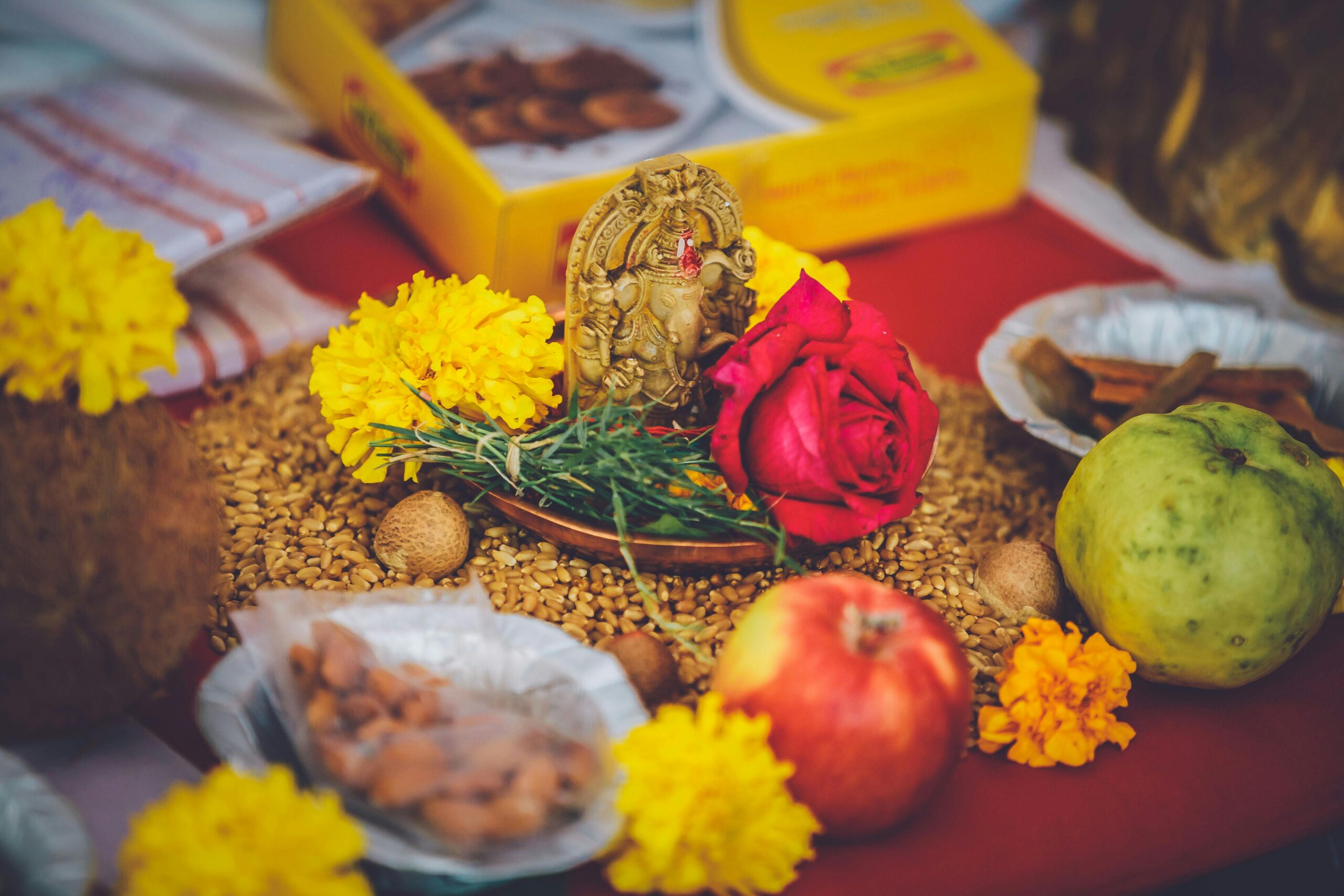
Restoring Sacred Relationships With Our Food
Ultimately, last-seed festivals invite us to reconsider our relationships with the crops that sustain human civilization. By approaching the final harvest as sacred transition rather than mere economic transaction, traditional cultures maintained attitudes of gratitude, respect, and reciprocity toward cultivated landscapes.
These ancient ceremonies recognized profound truths: that seeds contain mysteries beyond genetic codes, that agriculture involves relationships transcending mechanical cause and effect, and that communities prosper when they honor both the grain that feeds them and the earth that produces it. In rediscovering these celebrations, we reconnect with wisdom our agricultural ancestors understood implicitly—that renewal requires honoring endings, that abundance flows from gratitude, and that the seeds we save today determine the harvests our descendants will gather.
As modern society grapples with food security challenges, environmental degradation, and disconnection from natural cycles, the sacred rituals of final grain reserves offer more than historical curiosity. They provide practical, spiritual, and philosophical guidance for building agricultural systems that can sustain both human communities and the living earth that supports all growth and harvest.
