
Anúncios
Throughout history, shared meals have served as powerful catalysts for reconciliation, healing broken relationships and mending fractured communities across cultures and continents.
🍽️ The Ancient Power of Breaking Bread Together
Food has always been more than mere sustenance. Across civilizations, the act of sharing a meal carries profound symbolic weight, representing trust, acceptance, and the willingness to be vulnerable with others. When individuals who have been estranged come together around a table, something transformative occurs—barriers dissolve, hearts soften, and possibilities for renewal emerge.
Anúncios
The concept of feasts of return encompasses those special meals where prodigals come home, enemies become friends, and communities heal from division. These gatherings represent turning points in human stories, moments where nourishment feeds both body and soul, where conversation flows like wine, and where the simple act of eating together rebuilds what was broken.
Biblical Foundations: The Original Prodigal’s Feast
Perhaps no story better illustrates the transformative power of a return feast than the parable of the prodigal son. In this ancient narrative, a wayward child squanders his inheritance in distant lands, only to return home destitute and humbled. Rather than condemnation, he receives an unexpected welcome—his father throws an extravagant celebration, complete with the fatted calf, music, and dancing.
Anúncios
This feast accomplishes multiple objectives simultaneously. It publicly restores the son’s status within the family and community, signals forgiveness and acceptance, celebrates the transformation from death to life, and creates a shared experience that reintegrates the returnee into social fabric.
The meal becomes a ritual of restoration, transforming shame into honor, separation into belonging, and despair into joy. The father’s insistence on celebration—despite the older brother’s objections—demonstrates that these feasts serve purposes beyond individual reconciliation; they teach communities how to welcome, forgive, and move forward together.
Post-Conflict Meals: Eating With Former Enemies
Modern history offers compelling examples of meals that have facilitated reconciliation after devastating conflicts. In Rwanda, following the 1994 genocide, community reconciliation programs incorporated shared meals as essential components of healing processes. Survivors and perpetrators, living side by side in the same villages, gradually learned to break bread together again.
These meals didn’t erase the past or minimize suffering, but they created neutral spaces where humanity could be rediscovered. The act of preparing food together, of sharing traditional dishes, of sitting at the same table—these simple actions rebuilt social bonds that violence had severed.
In South Africa, post-apartheid reconciliation similarly utilized communal meals as part of the Truth and Reconciliation Commission’s broader work. Township residents organized “reconciliation dinners” where people from different racial backgrounds shared their stories over traditional foods, discovering common ground in shared culinary heritage.
The Psychology Behind Reconciliation Dining
Neuroscience reveals why shared meals facilitate reconciliation so effectively. Eating together triggers the release of oxytocin, often called the “bonding hormone,” which promotes feelings of trust and connection. The sensory experience of food—aromas, flavors, textures—engages emotional centers in the brain, creating positive associations with the people present.
The informal nature of dining conversations allows difficult topics to be addressed less confrontationally than formal negotiations. People tend to soften defensiveness when engaged in the universal, equalizing act of eating. Food provides natural conversation topics and shared experiences that don’t require addressing conflict directly while still building relational foundations.
Veterans’ Return: When Warriors Come Home to Table
Military families worldwide understand the significance of homecoming meals. When service members return from deployment, the family dinner becomes a sacred ritual of reintegration. These meals acknowledge that the person who left is not quite the same person who returns—and that’s acceptable.
Organizations serving veterans have recognized this power. Programs like “Dinner With Veterans” create spaces where those who’ve served can share meals with civilians, bridging the civilian-military divide through storytelling and breaking bread. These gatherings help veterans feel seen, honored, and welcomed back into communities that might otherwise feel foreign after deployment.
The act of cooking familiar foods, of smelling grandmother’s recipes, of tasting childhood favorites—these sensory experiences ground returning veterans, connecting them to pre-deployment identities and reminding them of who they were and can be again.
Recovery Communities: Feasting in Sobriety
Addiction recovery programs have long incorporated communal meals as central to their rehabilitation processes. When individuals return from the isolation of addiction, shared meals help rebuild social skills, establish healthy routines, and create sober community connections.
Recovery residences typically require residents to share at least one meal daily. These gatherings serve multiple therapeutic purposes: they establish structure and routine, provide accountability and community support, practice delayed gratification and mindful eating, and create positive associations with sober socializing.
Many recovery programs host “anniversary dinners” celebrating sobriety milestones. These feasts publicly honor transformation, welcoming members back from the isolation addiction created and reinforcing their belonging in recovery community.
The Symbolism of Feast Foods
Certain foods carry special significance in return feasts across cultures. The fatted calf in biblical tradition represented extravagance and celebration reserved for special occasions. In many African cultures, goat or chicken dishes signal honor and welcome. Asian traditions often feature whole fish, symbolizing completeness and abundance.
The preparation of special foods communicates that the return matters, that effort has been invested, that the occasion deserves recognition. The choice of familiar, traditional dishes creates continuity with the past while acknowledging present transformation.
🌍 Cultural Variations on Welcome Feasts
Different cultures have developed unique traditions around return feasts, each reflecting particular values and social structures:
- Mediterranean cultures: Extended family gatherings featuring multiple courses, emphasizing abundance and the centrality of family bonds
- Asian traditions: Ceremonial elements incorporated into meals, including specific seating arrangements and food offerings that honor ancestors and deities
- Indigenous American practices: Potlatch-style gatherings where community members contribute dishes, emphasizing collective responsibility for reintegration
- Middle Eastern customs: Elaborate hospitality rituals where hosts demonstrate honor through generosity, often serving guests first and most generously
- African communal eating: Shared dishes from common bowls, physically enacting unity and mutual dependence
Prison Reentry: Feasts That Welcome Home
For formerly incarcerated individuals, reentry into society presents enormous challenges. Progressive reentry programs have discovered that welcome-home meals significantly impact successful reintegration. These feasts serve practical and symbolic functions, helping returning citizens rebuild family connections and community ties.
Churches and community organizations in many cities organize “welcome home dinners” for those recently released from incarceration. These meals provide immediate community connection, practical support and resources, public affirmation of second chances, and modeling of inclusive community values.
Family members often describe the first home-cooked meal as deeply emotional—a tangible demonstration that despite years of separation and institutional food, the person remains loved and has a place at the family table.
Refugee Resettlement: Tables That Bridge Worlds
Refugee resettlement agencies increasingly recognize the power of shared meals in helping displaced persons rebuild lives in new countries. Programs that pair refugee families with local residents for monthly dinners create relationships that transcend typical charitable dynamics.
These meals often feature foods from refugees’ home countries, allowing them to maintain cultural identity while sharing their heritage with new neighbors. The exchange works both ways—refugees learn about local food culture while teaching others about their own traditions.
Community kitchens where refugees prepare and serve traditional dishes to the public provide economic opportunities while building social bridges. Customers gain cultural education and connection, while refugee cooks rebuild professional identities and community status.
Planning Effective Reconciliation Meals
Organizations facilitating reconciliation feasts have identified key elements that maximize their transformative potential:
- Appropriate timing: Not rushing reconciliation before parties are ready, while also not delaying unnecessarily
- Neutral or meaningful spaces: Choosing locations that feel safe and appropriate to all participants
- Intentional food choices: Selecting dishes that honor traditions and accommodate dietary needs
- Facilitated but natural conversation: Creating structure without forced interaction
- Symbolic elements: Incorporating rituals that acknowledge the significance of gathering
- Follow-up plans: Ensuring the meal begins rather than exhausts reconciliation efforts
Corporate Reconciliation: Business Meals That Heal
The business world has discovered that workplace conflicts often find resolution more effectively over shared meals than in conference rooms. Companies experiencing internal divisions increasingly employ facilitated dinners as part of conflict resolution strategies.
The informality of dining settings reduces hierarchical dynamics that might inhibit honest conversation. Sharing food creates equality—everyone must eat—that transcends organizational charts. The extended time of a meal allows relationships to develop beyond immediate conflict points.
Team-building retreats that incorporate communal cooking and dining report higher success rates in improving workplace dynamics than those focused solely on structured activities and presentations.
🕊️ Healing Divided Communities Through Public Feasts
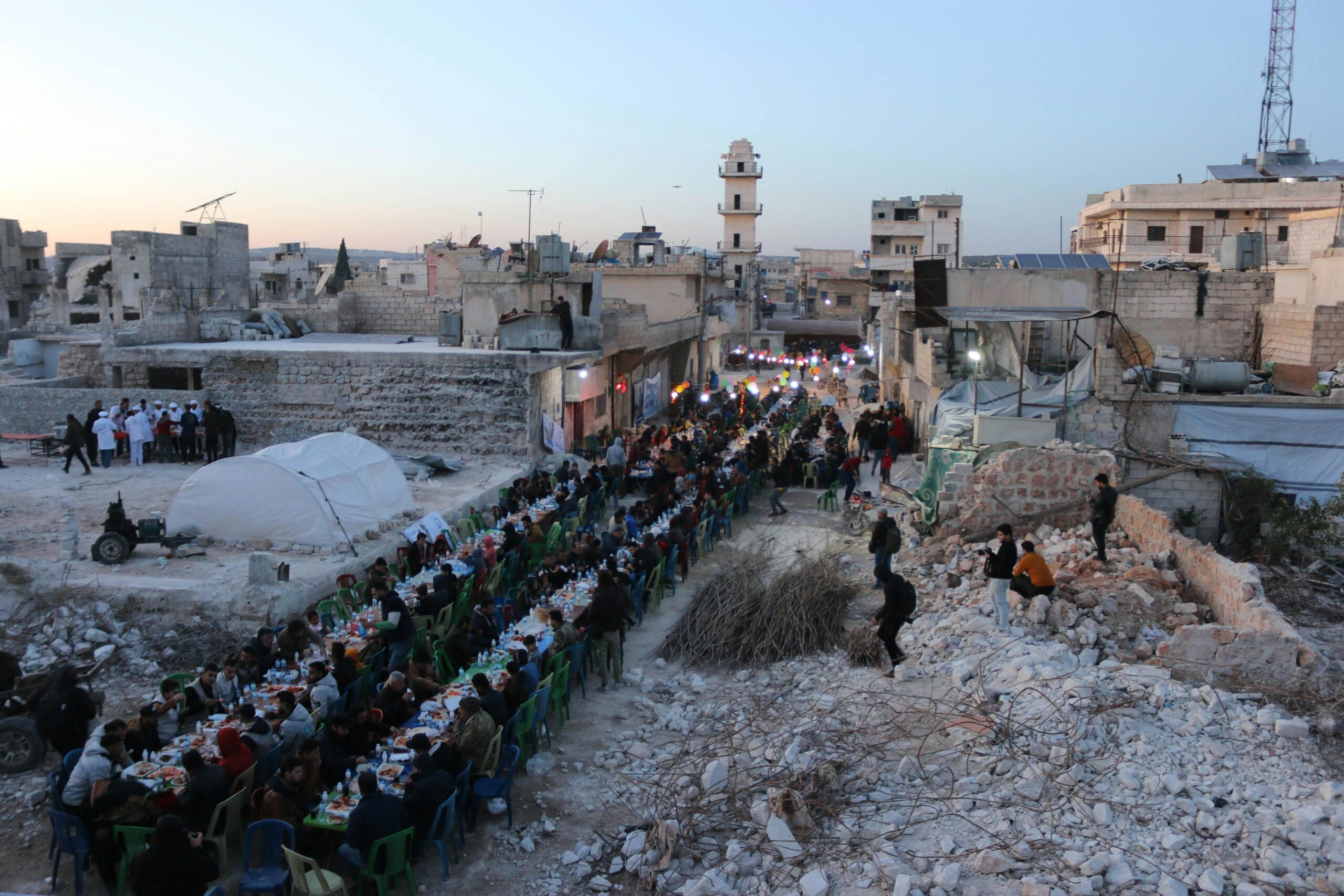
Some of the most powerful return feasts occur at community scales, bringing together neighborhoods or groups divided by conflict, misunderstanding, or prejudice. Street festivals, interfaith dinners, and neighborhood potlucks can serve as feasts of return—welcoming back civility, restoring dialogue, and rebuilding social harmony.
After incidents of racial tension, some communities have organized “unity dinners” where residents of different backgrounds share traditional foods and stories. These events don’t solve systemic problems, but they create human connections that make collaborative problem-solving possible.
Interfaith organizations host regular “Abraham’s Table” or similar events where Jews, Christians, and Muslims share meals and conversation, recognizing their common heritage while respecting differences. These gatherings build relationships that withstand external tensions and create community resilience against division.
The Neuroscience of Shared Eating Experiences
Recent research illuminates the biological mechanisms underlying the power of communal meals. Brain imaging studies show that eating with others activates reward centers more intensely than eating alone. The social engagement of shared meals stimulates neural pathways associated with bonding and trust.
The ritual aspects of meals—predictable patterns of gathering, serving, eating, and cleaning up—provide psychological comfort and security. For those returning from trauma, chaos, or isolation, these structured experiences help regulate nervous systems and restore a sense of safety.
Synchronized eating, where diners consume food at similar paces, creates subtle physiological coordination that enhances social bonding. This phenomenon, called “behavioral synchrony,” strengthens group cohesion and interpersonal connection.
Digital Age Challenges and Innovations
Modern technology presents both challenges and opportunities for return feasts. While smartphones and devices can distract from meaningful connection during meals, digital tools also enable new forms of restorative dining.
Families separated by geography use video calls to share virtual meals, maintaining connection despite distance. Military families deployed overseas sometimes coordinate meal times to eat “together” across continents. These adaptations maintain the relational essence of shared meals even when physical proximity isn’t possible.
Social media allows return feasts to have broader impact as participants share experiences, inspiring others and creating digital communities around reconciliation and restoration.
Therapeutic Applications in Mental Health Recovery
Mental health treatment facilities increasingly incorporate therapeutic meals into recovery programs. For individuals returning from psychiatric crises, eating disorders, or severe depression, communal dining provides structured social reintegration.
Occupational therapy often includes meal planning, preparation, and shared eating as components of treatment. These activities rebuild executive functioning, social skills, and self-care capacity while creating positive experiences around food that may have become sources of anxiety or conflict.
Support groups for various mental health conditions frequently include meal components, recognizing that the informal bonding over food facilitates vulnerability and mutual support more effectively than formal meeting structures alone.
Creating Your Own Feast of Return
Whether welcoming a family member home, reconciling with estranged friends, or building community bridges, anyone can create meaningful return feasts. The essential ingredients aren’t exotic or expensive—they’re intentionality, hospitality, and openness to transformation.
Start with honest assessment of readiness. Ensure all parties genuinely desire reconciliation rather than forcing premature gathering. Choose foods with meaning—family recipes, cultural dishes, or simply well-prepared favorites that show care and effort.
Create space for both structure and spontaneity. Perhaps begin with a brief acknowledgment of the gathering’s significance, then allow conversation to flow naturally. Avoid forcing difficult discussions, but don’t prohibit them if they arise organically.
Remember that one meal rarely completes reconciliation. View return feasts as beginning points, establishing foundations for ongoing relationship rebuilding. Plan follow-up gatherings to maintain momentum and demonstrate sustained commitment.
Sustaining the Transformation Beyond the Table
The true measure of return feasts lies not in the meal itself but in the lasting changes they catalyze. Successful reconciliation dining creates ripple effects that extend far beyond the table, establishing patterns of connection that continue growing.
Participants in powerful return feasts often report that the experience fundamentally shifts their perspectives on conflict, forgiveness, and community. They carry forward the embodied knowledge that restoration is possible, that meals can heal, and that shared humanity transcends division.
Communities that regularly practice reconciliation feasting develop cultural capacity for addressing conflict constructively. The skills learned around dinner tables—listening deeply, speaking honestly, finding common ground—transfer to other contexts, strengthening social fabric broadly.
As our world faces unprecedented division and polarization, the ancient wisdom of return feasts offers hope and practical pathways forward. By gathering around tables with intention, hospitality, and openness, we can rebuild lives, restore relationships, and renew communities one shared meal at a time. The transformative power of breaking bread together remains as potent today as in ancient times—we need only have the courage to extend and accept invitations to feast. ✨
