
Anúncios
Imagine dining beneath a canopy of stars as a rare comet streaks across the sky, your plate filled with dishes inspired by celestial wonder and cosmic timing. ✨
Throughout human history, the heavens have captivated our imagination, inspiring myths, guiding navigators, and marking the passage of time. Today, a growing number of culinary enthusiasts and astronomers are merging these ancient fascinations into extraordinary dining experiences that align feasts with rare celestial events. From eclipse dinners to solstice banquets, this intersection of gastronomy and astronomy creates unforgettable moments where food becomes part of a larger cosmic narrative.
Anúncios
The concept of celestial dining isn’t entirely new. Ancient civilizations regularly timed their festivals and feasts to astronomical events, understanding that these moments held special significance. The Incas celebrated Inti Raymi during the winter solstice, the Chinese Mid-Autumn Festival honors the full moon, and Stonehenge was likely used for solstice celebrations involving communal feasting. What’s emerging now is a modern renaissance of this tradition, enhanced by our deeper understanding of astronomy and elevated culinary techniques.
The Ancient Connection Between Food and the Cosmos 🌙
Our ancestors lived in intimate connection with celestial rhythms. They planted crops according to lunar phases, harvested during specific planetary alignments, and celebrated the changing seasons marked by solstices and equinoxes. Food wasn’t just sustenance; it was a bridge between Earth and sky, a way to honor cosmic forces that governed their lives.
Anúncios
Archaeological evidence shows that Neolithic communities at sites like Göbekli Tepe in Turkey constructed elaborate structures aligned with stellar patterns, likely used for ceremonial feasting. The Mayans timed their agricultural calendar to Venus’s cycles, incorporating corn—their sacred crop—into rituals that coincided with celestial observations. These weren’t mere superstitions but sophisticated systems that recognized the interconnectedness of earthly and heavenly phenomena.
Modern celestial dining revives this wisdom while adding contemporary flair. Chefs now research historical astronomical feasts, recreating ancient recipes with modern techniques, or designing entirely new menus that metaphorically represent celestial events. This creates a multisensory experience where diners don’t just observe astronomical phenomena—they taste them.
Eclipse Dining: When Day Turns to Night at the Table
Solar and lunar eclipses represent some of the most dramatic celestial events, and they’ve become prime occasions for themed culinary experiences. A total solar eclipse, with its brief minutes of midday darkness, creates an otherworldly atmosphere perfect for memorable dining.
Leading restaurants and event planners now organize eclipse viewing parties combined with carefully crafted menus. The 2017 total solar eclipse across America sparked dozens of such events, from casual picnics to elaborate multi-course dinners. Chefs designed “eclipse menus” featuring dishes that transitioned from light to dark ingredients, mirroring the sun’s gradual obscuration.
One notable example featured courses that began with bright, citrus-forward dishes representing the full sun, progressing through amber and golden foods, then culminating in dark, rich flavors like squid ink pasta or blackberry reductions during totality. As the eclipse ended, desserts returned to lighter, brighter presentations—a culinary journey following the celestial event in real-time.
Planning Your Eclipse Feast 🌑
If you’re considering hosting an eclipse dinner, timing is everything. Solar eclipses last only minutes at any given location, requiring precise scheduling. Here are essential considerations:
- Research the exact timing of eclipse phases for your location months in advance
- Design your menu to complement rather than distract from viewing the eclipse
- Consider portable, easy-to-eat foods for partial phases when guests will be looking skyward
- Reserve the main course for just after totality when conversation naturally turns to the experience
- Provide proper eclipse viewing glasses as part of the table setting
- Choose a venue with unobstructed sky views and comfortable outdoor seating
Lunar eclipses, being longer and visible to half the planet, offer more relaxed timing. These “blood moon” events, where Earth’s shadow turns the moon copper-red, have inspired wine pairings featuring robust reds and dishes incorporating pomegranate, beets, and other crimson ingredients.
Meteor Shower Suppers: Dining Under Falling Stars ⭐
Meteor showers like the Perseids in August or the Geminids in December provide annual opportunities for celestial dining experiences. Unlike eclipses, these events last several nights and peak at predictable times, making them ideal for planning outdoor feasts.
The casual, campfire-style atmosphere of meteor watching lends itself to different culinary approaches than formal eclipse dinners. Many organizers opt for rustic, comforting foods that can be enjoyed while reclining on blankets, gazing upward. Gourmet s’mores bars, elevated picnic baskets, and warming soups in thermoses become sophisticated yet practical options.
Some innovative restaurants have created “shooting star tasting menus” where each small plate arrives like a meteor—surprising, bright, and fleeting. Dishes might feature edible sparklers, flash-frozen components that create vapor trails, or ingredients that capture the ephemeral nature of meteors streaking across the sky.
Solstice and Equinox Celebrations: Marking Time’s Turning Points
The solstices and equinoxes—those pivotal moments when seasons officially change—have been celebrated with feasting for millennia. Today’s culinary enthusiasts are rediscovering these astronomical milestones as perfect occasions for thoughtful, seasonal dining experiences.
Summer solstice dinners celebrate abundance and light, often featuring the longest outdoor dining experiences of the year. Scandinavian Midsummer feasts traditionally include pickled herring, new potatoes, and strawberries—all at their seasonal peak. Modern interpretations might extend these meals late into the evening, capitalizing on those extra hours of daylight with courses timed to the sun’s slow descent.
Winter solstice gatherings, conversely, embrace darkness and the promise of returning light. Many cultures traditionally feasted on preserved foods, rich meats, and warming spices. Contemporary winter solstice dinners might begin in darkness with foods served by candlelight, then transition to brighter presentations as the meal progresses, symbolizing the gradual return of longer days.
Seasonal Alignment in Menu Planning 🍂
Creating a menu aligned with solstices or equinoxes offers opportunities to showcase hyper-seasonal ingredients at their absolute peak. Consider this approach to seasonal menu design:
| Celestial Event | Seasonal Focus | Featured Ingredients | Symbolic Themes |
|---|---|---|---|
| Spring Equinox | Renewal, Balance | Peas, asparagus, eggs, lamb | Equal portions, balanced flavors |
| Summer Solstice | Abundance, Light | Berries, tomatoes, zucchini, herbs | Bright colors, fresh preparations |
| Autumn Equinox | Harvest, Transition | Squash, apples, mushrooms, grains | Earthy tones, preserved elements |
| Winter Solstice | Reflection, Hope | Root vegetables, citrus, game, spices | Dark to light progression |
Rare Planetary Alignments: Once-in-a-Lifetime Dining Experiences
Some celestial events are so rare they become truly once-in-a-lifetime opportunities for extraordinary culinary experiences. The “Great Conjunction” of Jupiter and Saturn in December 2020, when these planets appeared closer in the sky than they had in nearly 400 years, inspired numerous special dining events worldwide.
Chefs approached this rare alignment creatively, designing menus that paired contrasting elements representing the two planets. Jupiter, the largest planet, inspired generous, expansive dishes, while Saturn’s rings suggested layered presentations and circular plating techniques. Some restaurants created special cocktails featuring two distinct layers that merged when stirred, symbolizing the planets’ apparent convergence.
For planning purposes, astronomy apps can alert you to upcoming rare events like planetary alignments, especially close approaches of Venus and Jupiter, or the rare appearance of planets in unusual configurations. These apps help culinary enthusiasts and event planners prepare well in advance for these cosmic dining opportunities.

Comet Appearances: Chasing Celestial Visitors 🌠
Comets, those mysterious visitors from the outer solar system, have always held special significance in human culture. When a bright comet becomes visible—like Comet NEOWISE in 2020—it creates unique opportunities for themed dining experiences that honor these ancient wanderers.
The unpredictable nature of comet appearances adds excitement to related dining events. While some comets return on predictable schedules (Halley’s Comet every 76 years), others surprise astronomers with unexpected brilliance. This element of surprise can be incorporated into the dining experience through unexpected course additions, surprise amuse-bouches, or mystery ingredients that arrive “like a comet” during the meal.
Menu design for comet viewing dinners often incorporates elements representing the comet’s structure: a nucleus of dense, rich flavors surrounded by lighter, more ethereal preparations representing the coma and tail. Dry ice effects, which create vapor similar to a comet’s appearance, have become popular presentation techniques for these events.
Moonlit Dining: The Lunar Cycle in Culinary Form 🌕
While full moons occur monthly, they each have traditional names and characteristics that inspire distinct dining themes. The Harvest Moon, Sturgeon Moon, and Wolf Moon carry historical significance that can inform menu creation and dining atmosphere.
Progressive restaurants have begun offering “moon cycle menus” that change with lunar phases throughout the month. New moon dinners might feature mysterious, umami-rich dishes served in intimate, darkened settings. As the moon waxes, menus incorporate increasingly complex and abundant ingredients. Full moon feasts become celebratory, maximalist affairs with generous portions and bright presentations. The waning moon then transitions back toward simpler, more contemplative cuisine.
Some biodynamic farmers and winemakers already follow lunar calendars for planting and harvesting. Partnering with these producers creates opportunities for dinners where every ingredient—from produce to wine—was cultivated and harvested according to lunar cycles, creating true moon-to-table dining experiences.
Creating Lunar Atmosphere 🌙
The setting for moon-themed dinners significantly enhances the experience. Consider these atmospheric elements:
- Schedule dinners for optimal moonrise timing at your location
- Position tables to provide direct sightlines to the rising moon
- Use minimal artificial lighting to preserve night vision and moonlight ambiance
- Incorporate selenite crystals and moon-phase illustrations into table design
- Provide binoculars or small telescopes for viewing lunar features
- Create a soundtrack featuring nocturnal sounds and ambient music
Stargazing Supper Clubs: Building Community Around Cosmic Cuisine
The rise of pop-up dining and supper club culture has merged beautifully with astronomical events. Organizers across the globe now host regular stargazing supper clubs that align meals with celestial happenings, building communities of people who share interests in both food and astronomy.
These clubs often partner with local astronomy groups, bringing together amateur astronomers who provide telescopes and expertise alongside chefs who create thematic menus. This collaboration enriches both the culinary and educational aspects of the experience, with dinner conversation naturally flowing between constellation identification and flavor profiles.
The format typically involves a reception during twilight with appetizers and cocktails, followed by a seated dinner as darkness falls. Between courses, astronomy experts guide guests through the night sky, pointing out featured celestial objects. The meal concludes with dessert and coffee during prime stargazing hours, with telescopes available for detailed viewing of planets, nebulae, or galaxies.
Practical Considerations for Celestial Dining Events
Organizing a dining experience around celestial events requires attention to factors beyond typical restaurant concerns. Weather becomes paramount—cloud cover can obscure even the most spectacular astronomical event. Smart planners develop contingency plans, perhaps reserving spaces with both outdoor and covered areas, or scheduling backup dates.
Light pollution presents another challenge. The best stargazing locations are far from city lights, which may complicate food preparation and service. Some organizers solve this by partnering with dark-sky preserves or rural vineyards that offer both pristine night skies and appropriate facilities. Others embrace urban settings but educate diners on which celestial events remain visible despite city lights.
Temperature management is crucial for outdoor astronomical dining. Even summer nights can turn cool after sunset, while winter celestial events may require substantial heating solutions. Providing blankets, fire pits, or heated dining domes ensures comfort without compromising the sky view.
The Future of Astro-Gastronomy: Where Cosmos Meets Cuisine 🚀
As space exploration advances and public interest in astronomy grows, the intersection of culinary arts and celestial events continues evolving. Some forward-thinking chefs are already experimenting with ingredients being tested for space cultivation, creating “Mars menus” or “lunar dinners” featuring foods that might sustain future space colonies.
Virtual and augmented reality technologies may soon enhance celestial dining experiences, overlaying constellation patterns onto the actual sky or providing real-time information about objects being viewed. Imagine pointing your device at a star while enjoying your appetizer and learning its name, distance, and characteristics displayed alongside the chef’s description of your dish.
The growing astro-tourism industry, which takes travelers to optimal viewing locations for specific events, increasingly incorporates culinary components. Eclipse-chasing tours now routinely feature gourmet meals, and astronomy-focused cruises highlight both onboard dining and celestial observations from dark ocean locations.
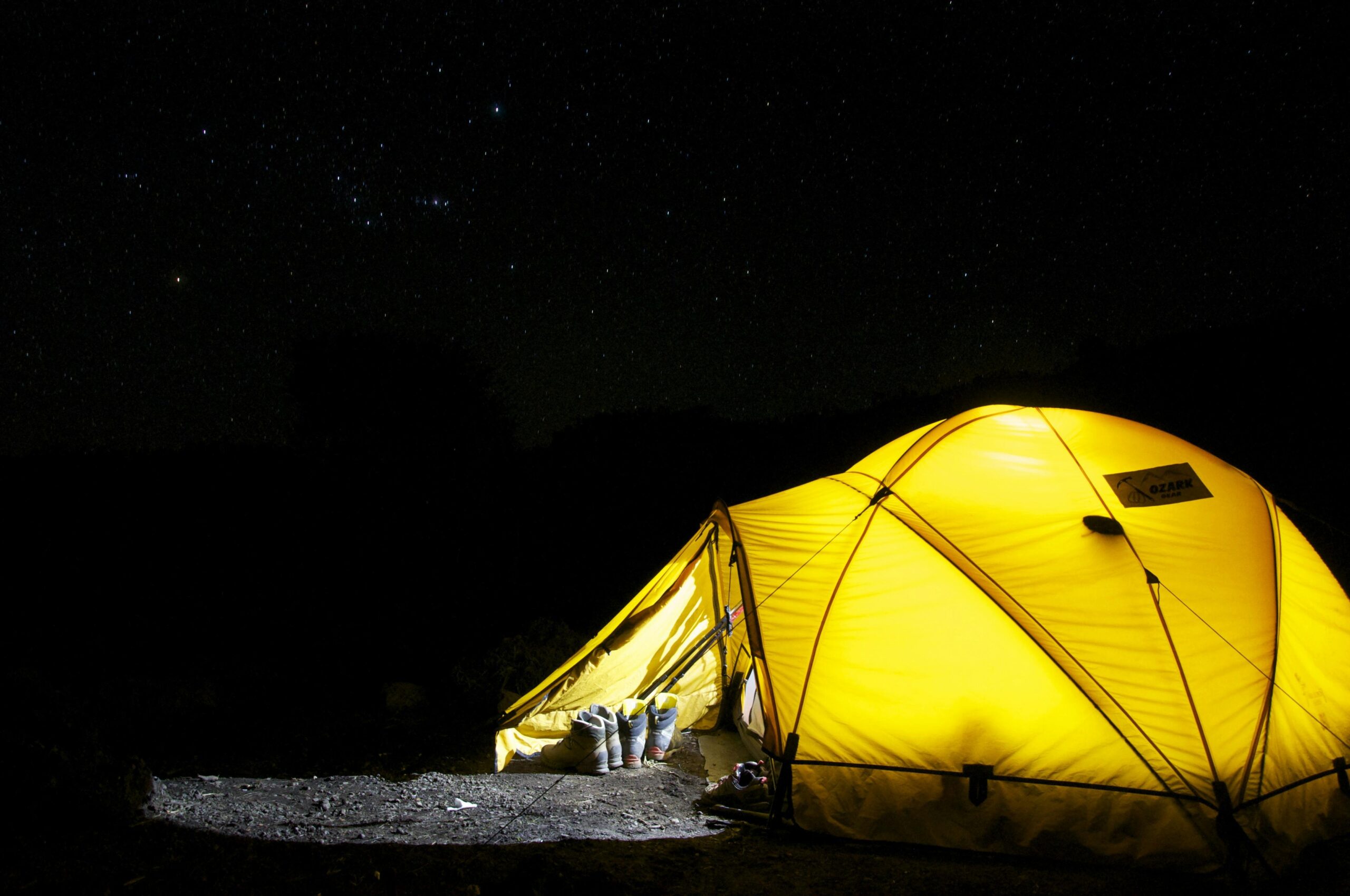
Bringing Celestial Dining Home: Creating Your Own Cosmic Feast
You don’t need to be a professional chef or event planner to create meaningful dining experiences around astronomical events. With basic planning and creativity, anyone can host memorable celestial-themed gatherings.
Start by identifying upcoming astronomical events visible from your location. Many astronomy websites and apps provide calendars of eclipses, meteor showers, planetary events, and other phenomena. Choose an event that occurs at a reasonable dining hour and has good visibility predictions for your area.
Design a simple menu that connects thematically to your chosen event. For a meteor shower, consider foods that sparkle or have unexpected textural “bursts.” For a planetary alignment, serve dishes that complement each other while maintaining distinct identities. The key is creativity rather than complexity—even casual backyard barbecues can become special when timed to celestial events and approached thoughtfully.
Invite guests who share your curiosity about the cosmos, provide them with context about what they’ll observe, and encourage conversation about both the food and the sky above. This combination of sensory experiences—taste, sight, social connection—creates lasting memories tied to that particular moment in astronomical time.
The magic of feasting under the stars while witnessing rare celestial events lies in its reminder of our place within a vast, dynamic universe. As we savor carefully prepared dishes beneath a meteor shower or eclipse, we participate in an ancient human tradition of marking cosmic moments with communal meals. These experiences reconnect us with rhythms larger than our daily lives, blending the earthly pleasure of fine cuisine with the transcendent wonder of astronomical phenomena. Whether attending an elaborate eclipse dinner or simply sharing pizza during a planetary alignment, we honor the timeless human impulse to celebrate the cosmos—one delicious bite at a time. 🌌
