
Anúncios
Salt has transcended its culinary function to become one of humanity’s most sacred symbols, binding oaths, sealing covenants, and sanctifying ceremonial meals across civilizations.
🧂 The Ancient Covenant: When Salt Became Sacred
Throughout human history, salt has occupied a unique position at the intersection of sustenance and spirituality. Long before it became a common kitchen staple, this crystalline mineral was treasured as a precious commodity, often worth its weight in gold. Ancient societies recognized something profound in salt’s preservative properties—a metaphor for permanence, incorruptibility, and eternal bonds that made it the perfect symbol for sacred promises.
Anúncios
The Romans paid soldiers in salt, giving us the word “salary.” Arab cultures considered sharing salt a binding social contract. In Jewish tradition, the “covenant of salt” represented an unbreakable agreement before God. This wasn’t mere superstition; salt’s chemical stability, its ability to prevent decay, and its essential role in human survival made it a natural emblem for things meant to last forever.
Religious texts across traditions mention salt in contexts of purification, commitment, and divine favor. The Bible references salt covenants multiple times, describing them as eternal agreements. Islamic teachings speak of salt as a blessing upon shared meals. Hindu ceremonies incorporate salt in rituals marking life transitions, while Buddhist traditions use it for spiritual cleansing. This remarkable consistency across diverse cultures suggests something universal in salt’s symbolic power.
Anúncios
The Chemistry of Commitment: Why Salt Works as an Oath Keeper
Understanding salt’s role as an oath keeper requires appreciating its unique chemical and practical properties. Sodium chloride—common table salt—is remarkably stable. Unlike organic compounds that decompose, salt crystals can last indefinitely under normal conditions. This permanence made it an ideal metaphor for unchanging promises and eternal commitments.
Salt’s preservative qualities prevented food spoilage in pre-refrigeration societies, quite literally stopping the natural process of decay. When ancient peoples invoked salt in oath-taking, they were calling upon this power to preserve the integrity of their words just as salt preserved their provisions. The metaphor was visceral and immediately understood by agricultural and trading communities whose survival depended on preservation.
Furthermore, salt is essential to human life. We cannot survive without it. This biological necessity elevated salt beyond mere commodity to fundamental requirement, making it precious enough to swear by. When someone shared their salt—a valuable and necessary resource—they were sharing their life force, creating an obligation that transcended casual promises.
🍽️ Ceremonial Tables: Where Salt Seals Sacred Bonds
The ceremonial meal represents one of humanity’s oldest social technologies for creating community and confirming commitments. At these sacred tables, salt has played the starring role as the element that transforms ordinary dining into covenant-making. The act of breaking bread together becomes meaningful, but adding salt to that equation elevates it to something unbreakable.
In Middle Eastern hospitality traditions, the “bread and salt” ceremony creates a bond of protection between host and guest that lasts for generations. Once you’ve shared salt at someone’s table, you become bound by mutual obligation—the host must protect the guest, and the guest must honor the host. This isn’t merely etiquette; it’s a sacred contract enforced by community expectations and spiritual consequences.
Traditional wedding ceremonies in various cultures incorporate salt as a symbol of the couple’s permanent union. Slavic traditions have brides and grooms sharing bread and salt at their reception, symbolizing their commitment to share both prosperity and hardship. Japanese wedding ceremonies sometimes include exchanging salt as part of purification rituals. These practices recognize that marriage is itself an oath, and salt’s presence sanctifies that promise.
The Architecture of Salt Ceremonies
Salt ceremonies follow recognizable patterns across cultures, revealing shared human understanding of how to create meaningful ritual. These ceremonies typically involve deliberate, conscious actions with salt that mark a transition from ordinary to sacred space. The common elements include:
- Presentation of salt in a dedicated vessel, often ornate or specially designated
- Verbal acknowledgment of the salt’s symbolic significance
- Shared consumption or exchange of salt between parties
- Invocation of witnesses, divine or communal, to the oath being sealed
- A moment of recognition that something permanent has been established
These structural similarities suggest that salt ceremonies tap into deep human psychological needs for certainty, permanence, and communal accountability. The physical act of consuming salt together creates a shared bodily experience that reinforces social bonds at multiple levels—intellectual, emotional, and even cellular.
Modern Echoes: Salt in Contemporary Ceremonial Practice
While modern society may seem distant from ancient oath-taking traditions, salt’s ceremonial significance persists in surprising ways. Fine dining establishments understand that the presentation and type of salt used carries meaning beyond flavor. Artisanal salts—fleur de sel, Himalayan pink, black lava salt—have become markers of quality and care, communicating respect for guests and the seriousness of the culinary experience.
Contemporary wedding planners increasingly incorporate salt ceremonies into modern weddings, recognizing couples’ desire for meaningful ritual in secular contexts. These adapted traditions might involve mixing different colored salts to symbolize two lives becoming one, or creating a salt covenant ritual where the couple makes promises over shared bread and salt. The ancient symbol finds new expression while retaining its essential meaning.
Corporate dining and business meals, though rarely acknowledged as such, function as modern covenant ceremonies. Closing deals over dinner, negotiating partnerships at restaurant tables, and celebrating business milestones with catered events all echo ancient practices of using shared meals to seal agreements. The presence of salt at these tables, though unremarked, continues its traditional role of sanctifying agreements and creating bonds of mutual obligation.
⚖️ The Psychology of Salt Oaths: Why They Bind Us
The power of salt as an oath keeper isn’t purely symbolic—it engages deep psychological mechanisms that make commitments feel real and binding. When we participate in ritualized behavior, our brains process the experience differently than ordinary actions. The formality and symbolism activate neural pathways associated with significance and memory, making the oath more memorable and psychologically binding.
Anthropologists have documented how physical objects used in oath-taking serve as “material anchors” for abstract commitments. Salt, being tangible, consumable, and symbolically loaded, creates a powerful anchor. When someone recalls an oath taken over salt, they don’t just remember words—they remember the taste, the ceremony, the witnesses, creating a multi-sensory memory more resistant to rationalization or dismissal.
The public nature of salt ceremonies adds another layer of binding power. Social psychology demonstrates that public commitments are harder to break than private promises because they engage our reputation and social identity. Breaking a salt covenant means not just failing to keep your word, but violating a sacred trust in front of witnesses who will remember and judge.
Cultural Programming and Sacred Objects
We’re culturally conditioned to recognize certain objects and substances as sacred. This conditioning begins in childhood through stories, religious education, and family traditions. Salt’s recurring appearance in significant contexts teaches us to perceive it as special, setting up psychological responses that activate during salt ceremonies.
This programming explains why salt oaths can feel binding even to people who don’t consciously believe in their supernatural power. The cultural weight carried by the symbol creates a sense of seriousness and consequence that affects behavior regardless of explicit faith commitments. It’s similar to how people often feel compelled to keep promises made at weddings or funerals—the ceremonial context creates psychological gravity.
🌍 Global Variations: Salt Oaths Across Cultures
The universality of salt symbolism is matched by fascinating cultural variations in how salt ceremonies are performed. Examining these differences reveals both shared human needs and unique cultural expressions of covenant-making.
In Ethiopian Orthodox tradition, salt plays a crucial role in religious ceremonies and covenant meals. The sharing of salt following communion reinforces community bonds and mutual obligations among believers. The salt is often blessed and distributed with specific prayers, combining Christian theology with older traditions of salt’s protective and binding properties.
Mongolian nomadic cultures have elaborate salt traditions connected to hospitality and alliance-building. Offering salt tea to visitors initiates a host-guest relationship with defined obligations. Political alliances between tribes were historically sealed with salt exchanges, with the salt serving as both gift and symbol of the covenant being formed.
Native American traditions, though diverse, often feature salt in ceremonial contexts related to purification and commitment. Some tribes used salt in coming-of-age ceremonies where young people made vows about their future conduct. The salt represented the community’s expectation of honor and the individual’s acceptance of adult responsibilities.
The Spiritual Dimensions: Salt as Sacred Substance
Beyond its practical and symbolic uses, many traditions regard salt as inherently spiritual—a substance that bridges material and divine realms. This perception elevates salt ceremonies from mere social contracts to acts of spiritual significance with metaphysical consequences.
In Catholic tradition, blessed salt (sal benedictus) is used for exorcism, protection, and consecration. The blessing prayer specifically invokes salt’s preservative qualities as analogous to preserving souls from corruption. When used in ceremonial meals, blessed salt carries this spiritual charge, making oaths taken over it not just social obligations but sacred commitments witnessed by God.
Wiccan and neopagan traditions use salt to cast protective circles and consecrate ritual spaces. Salt’s purifying properties make it essential in creating sacred boundaries. When used in handfasting ceremonies (pagan weddings), salt helps create the sacred space within which vows are made, adding spiritual enforcement to social commitment.
Hindu practices incorporate rock salt in havans (fire ceremonies) and pujas (worship rituals). The salt is offered to deities along with other elements, sanctifying the space and the participants. When consumed afterward, this prasad (blessed food) carries divine blessing and creates spiritual bonds between devotees who share it.
🔬 Scientific Perspectives: Salt’s Real Powers
Modern science, while unable to verify supernatural claims, has revealed fascinating properties of salt that explain some of its mystique and support its symbolic associations. Understanding the chemistry and biology of salt enriches rather than diminishes its ceremonial significance.
Salt’s antibacterial properties aren’t mystical but are scientifically documented. High salt concentrations create osmotic pressure that dehydrates bacterial cells, preventing spoilage. This real preservative power gave ancient peoples tangible evidence of salt’s protective qualities, which they reasonably extrapolated to spiritual protection and preservation of promises.
Sodium is essential for neural function, including the formation and retrieval of memories. When we consume salt during ceremonies, we’re literally providing our brains with a substance crucial for encoding the experience into long-term memory. This neurological fact gives a scientific foundation to the intuitive practice of sealing important moments with salt.
Salt also affects taste perception in complex ways, enhancing flavors and making food more satisfying. This enhancement might explain why shared salt creates particularly memorable experiences—the improved taste quality makes the meal more pleasurable and therefore more memorable, strengthening the psychological bond formed during covenant meals.
Practical Applications: Creating Your Own Salt Ceremonies
Understanding salt’s traditional significance opens possibilities for creating meaningful modern ceremonies that honor these ancient practices while adapting them to contemporary needs. Whether for family occasions, personal commitments, or community building, salt ceremonies offer powerful ways to mark important moments.
For family gatherings, consider instituting a simple salt ceremony when welcoming new members (through birth, marriage, or adoption) or marking significant transitions (graduations, departures, returns). Present salt in a special vessel, explain its significance, and share it together while making explicit the bonds of loyalty and support that connect your family. This creates a memorable ritual that can be repeated, building family identity across generations.
Friend groups seeking deeper connection might create salt covenant ceremonies that formalize their bonds. This could involve each person contributing salt from their home to a shared container, mixing them together while speaking about what their friendship means, then dividing the mixed salt for each person to take home. The physical object becomes a reminder of commitments made and witnessed.
Personal commitment ceremonies using salt can mark private promises to yourself—beginning new habits, ending destructive patterns, or dedicating yourself to a goal. The solemnity of a salt ritual, even performed alone, engages psychological mechanisms that strengthen resolve and make the commitment feel more real and binding.
💎 The Future of Salt: Ancient Symbol in Modern Contexts
As society grows increasingly secular and disconnected from traditional rituals, there’s paradoxically rising interest in meaningful ceremony and authentic symbolism. Salt, with its rich history and cross-cultural resonance, offers a ready-made symbol that needs no particular faith commitment yet carries profound meaning.
Event planners and ceremony designers are rediscovering salt traditions, incorporating them into weddings, corporate events, and community gatherings. This revival isn’t nostalgic recreation but creative adaptation—taking the essential meaning of salt as covenant keeper and finding expressions that resonate with modern sensibilities while honoring ancient wisdom.
Culinary artists and chefs are increasingly aware of salt’s cultural dimensions, using different salts strategically not just for flavor but for symbolic communication. A chef presenting rare salt at a special dinner is consciously or unconsciously invoking traditions of honor, rarity, and sacredness that elevate the meal beyond mere consumption to meaningful experience.
The growing slow food movement and emphasis on mindful eating create contexts where salt’s ceremonial aspects naturally emerge. When we slow down, pay attention, and treat meals as significant social events rather than fuel stops, we recreate conditions where salt can resume its traditional role as oath keeper and bond creator.
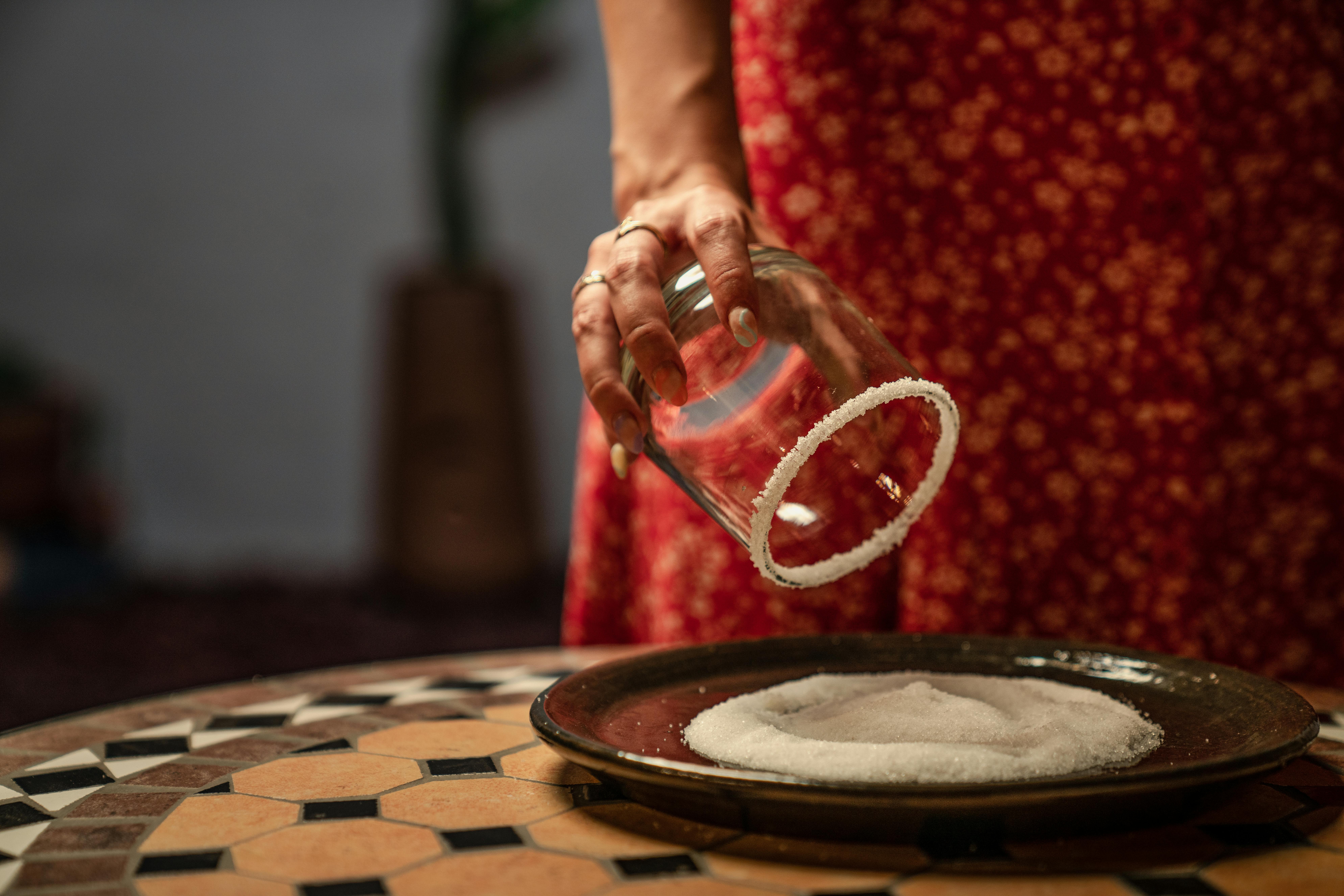
🌟 Preserving What Matters: Salt’s Enduring Lesson
Salt’s journey from precious commodity to common seasoning to rediscovered symbol teaches important lessons about value, permanence, and commitment. In an age of disposable everything and provisional relationships, salt reminds us that some things are meant to last, that preservation has value, and that making binding commitments serves important human needs.
The practice of salt oaths acknowledges that words alone feel insufficient for our most important promises. We need physical symbols, public witnesses, and meaningful rituals to make commitments feel real and binding. Salt provides all three—a tangible substance rich with meaning, typically shared in the presence of others, accompanied by ritual that marks the moment as significant.
Whether we’re religious believers who see salt as divinely significant or secular individuals appreciating cultural symbolism, the practice of using salt to seal important commitments offers benefits. It slows us down, makes us conscious of what we’re promising, engages community in holding us accountable, and creates memorable anchors for abstract commitments.
As we navigate modern complexities—maintaining relationships across distances, building trust in virtual spaces, creating meaning without traditional religious frameworks—ancient practices like salt ceremonies offer surprising relevance. They remind us that humans have always needed ways to make promises feel real, and that simple, elemental symbols often work best for connecting us to timeless truths about loyalty, integrity, and the sacred bonds that hold communities together.
The power of salt as the ultimate oath keeper lies not in supernatural enforcement but in its ability to focus intention, engage psychology, activate cultural memory, and create shared experience. When we take an oath over salt, we’re not just making a promise—we’re participating in millennia of human wisdom about how to bind ourselves to what matters most, how to preserve relationships against decay, and how to transform ordinary moments into sacred covenants that endure.
