
Anúncios
Throughout human history, humble bowls of grain cooked to soft perfection have served as bridges between the earthly and the divine, connecting us to ancestors, deities, and the sacred cycles of life and death.
🥣 The Ancient Language of Grain and Water
Ceremonial gruels represent one of humanity’s oldest ritual foods, transcending geographical boundaries and cultural divides. These simple preparations—grains simmered slowly in water or milk until they achieve a porridge-like consistency—carry profound spiritual significance across civilizations. From the rice congee offered at Chinese ancestral altars to the barley porridges of ancient Mediterranean death rites, these sacred spoonfuls embody nourishment that feeds both body and soul.
Anúncios
The universality of ceremonial gruels speaks to their accessibility and symbolic power. Unlike elaborate feasts requiring rare ingredients or complex preparation, anyone could prepare these humble dishes. This democratic nature made them ideal for rituals meant to honor departed souls, who were believed to require sustenance in their journey through the afterlife, just as the living needed food for earthly survival.
Rice Congee: The Soul Food of East Asian Remembrance
In Chinese, Korean, Japanese, and Vietnamese cultures, rice congee holds a central place in both death rituals and celebrations of life. Known as jook, juk, okayu, or cháo depending on the region, this silky rice porridge appears at funeral services, memorial ceremonies, and tomb-sweeping festivals throughout East Asia.
Anúncios
The preparation of ceremonial congee follows specific protocols. Rice must be cooked slowly, often for hours, until individual grains break down and release their starch, creating a smooth, easily digestible consistency. This transformation mirrors spiritual beliefs about the soul’s journey—just as rice grains dissolve into something new yet nourishing, the deceased transforms from physical to spiritual form.
The Ritual of Offering
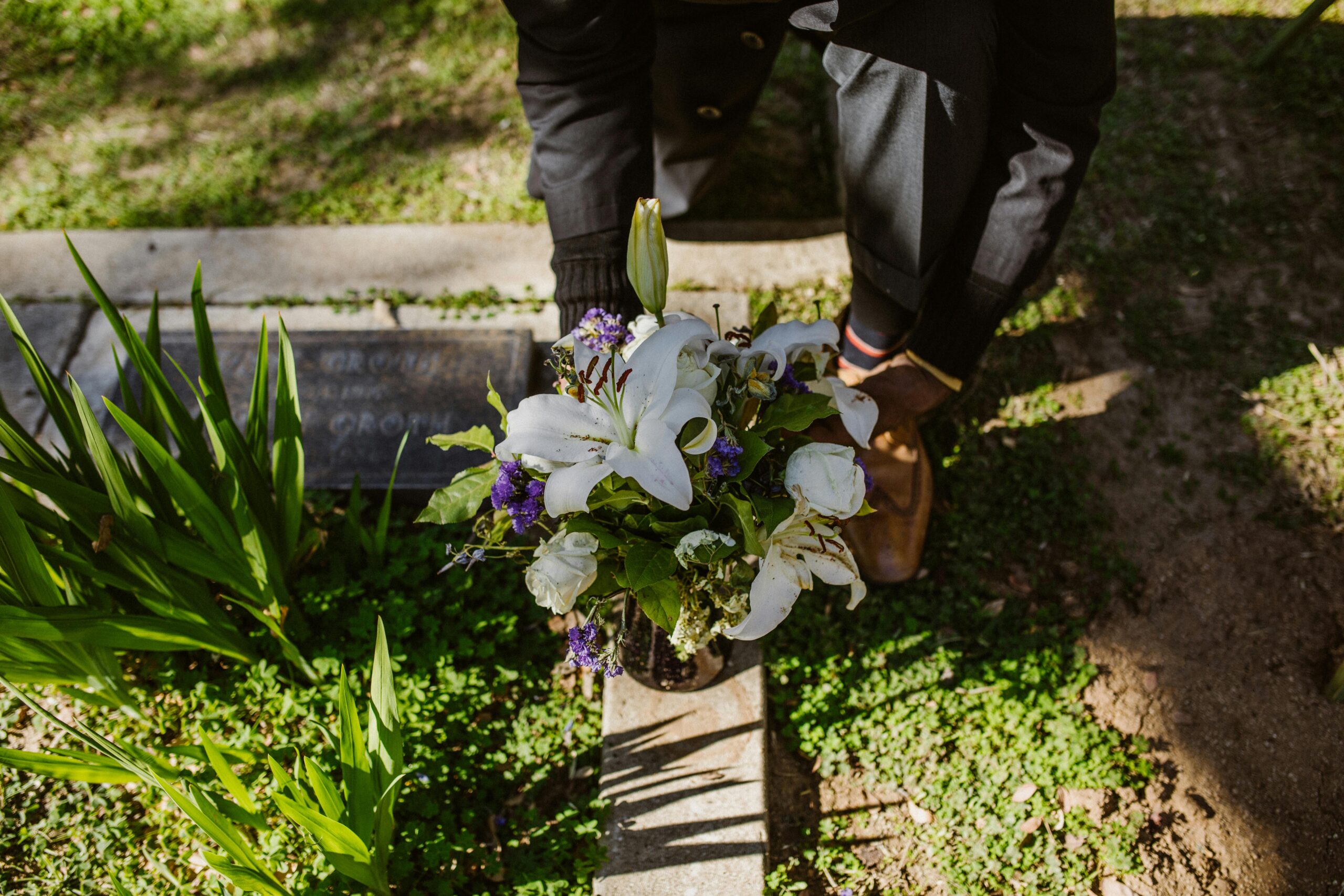
During Qingming Festival, Chinese families prepare congee as an offering at ancestral graves. The steaming bowls are placed before tombstones alongside incense, representing the warmth of familial love that persists beyond death. The specific timing matters—offerings typically occur in the morning, symbolizing the dawn of the soul’s continued journey.
Korean families observe similar practices during Chuseok and memorial death anniversaries called jesa. White rice porridge, pristine and unadorned, symbolizes purity and respect. Family members arrange bowls in precise positions on ritual tables, following conventions that honor hierarchical relationships even in death.
Barley and Wheat: Mediterranean Traditions of Remembrance 🌾
Ancient Greek and Roman civilizations developed elaborate gruel-based rituals surrounding death and commemoration. Kollyva, a ceremonial wheat berry dish prepared for Orthodox Christian memorial services, traces its lineage back to these classical traditions. Though technically more substantial than gruel, its preparation and ritual significance connect directly to ancient grain offerings.
The preparation of kollyva involves boiling wheat berries until soft, then sweetening and decorating the mixture with pomegranate seeds, nuts, and powdered sugar. Each ingredient carries symbolic weight—wheat represents resurrection and eternal life, pomegranate seeds symbolize the promise of life after death, and sweetness represents the anticipated joy of heavenly reward.
From Pagan Roots to Christian Practice
Early Romans prepared puls, a simple grain porridge, as offerings during Parentalia, the nine-day festival honoring deceased ancestors. Families would gather at tombs, sharing meals that included various grain preparations. This practice evolved as Christianity spread, transforming into the memorial kollyva tradition still observed in Greek, Russian, and Serbian Orthodox communities.
The continuity demonstrates how sacred food rituals adapt while maintaining core symbolic functions. Whether pagan or Christian, Mediterranean or Asian, the underlying principle remains constant—grain transformed through cooking becomes a medium for spiritual communication and remembrance.
Oat and Milk Gruels: Northern European Death Customs
Scandinavian and Celtic cultures developed their own ceremonial gruel traditions centered on oats and barley. These hardy grains, suitable for harsh northern climates, became vehicles for honoring the dead during long winter months when death rates historically peaked.
Scottish funeral customs included the preparation of sowans, a fermented oat gruel, for mourners. The slightly sour, nourishing porridge provided sustenance during multi-day wake periods while carrying spiritual significance. The fermentation process itself—living organisms transforming grain into something more digestible—paralleled beliefs about death as transformation rather than ending.
The Wake Meal and Community Bonds
Irish wake traditions featured generous servings of porridge alongside other simple foods. The communal preparation and consumption strengthened social bonds during grief, reminding participants that life continues through community support. Women often took charge of cooking these ceremonial gruels, their domestic knowledge transforming into ritual authority during liminal moments between life and death.
Maize Gruels: Indigenous American Ceremonial Foods 🌽
Native American communities across the Americas developed sophisticated ceremonial practices involving corn-based gruels and porridges. These preparations honored both the living and deceased while acknowledging corn’s sacred status as a gift from creator spirits.
Atole, a traditional Mesoamerican corn beverage with gruel-like consistency, features prominently in Day of the Dead celebrations. Families prepare this warm, comforting drink to place on ofrendas—altars honoring deceased loved ones. The steam rising from atole bowls symbolizes prayers ascending to the spirit world, carrying messages of love and remembrance.
Transformation Through Nixtamalization
The preparation of ceremonial corn gruels often involves nixtamalization, treating corn with alkaline solution before grinding. This ancient process increases nutritional value while carrying spiritual significance—the transformation of hard kernels into soft, nourishing masa represents the potential for spiritual transformation through proper ritual observance.
Pueblo communities prepare blue corn mush for various ceremonies, including those marking death and remembrance. The distinctive blue color, derived from heirloom corn varieties, connects celebrants to ancestral agricultural practices and the land itself, reinforcing spiritual continuity across generations.
The Science Behind the Sacred: Why Gruels?
The prevalence of ceremonial gruels across cultures isn’t merely coincidental—practical and physiological factors help explain their universal appeal. From a nutritional standpoint, gruels provide easily digestible calories and nutrients, making them ideal for mourners experiencing grief-related loss of appetite or for offerings meant to symbolically nourish the departed.
The long cooking process required for traditional gruels creates time for meditation and reflection. Unlike quick meal preparations, stirring a pot for hours provides rhythmic, repetitive activity that facilitates processing grief and contemplating mortality. This meditative quality transforms cooking from mere food preparation into spiritual practice.
Digestibility and Symbolic Purity
Gruels’ smooth consistency made them appropriate for all ages and physical conditions—from newborns to the elderly, from the robust to the infirm. This inclusivity aligned perfectly with spiritual beliefs about death as a universal human experience transcending individual differences. If everyone could consume gruels, then everyone could participate in related rituals regardless of status or ability.
The simplicity of ingredients also contributed to their ritual adoption. Gruel requires only grain and liquid, making it economically accessible while symbolizing purity and honesty. Complex, heavily seasoned dishes might represent earthly pleasures and attachments, while simple gruels embodied spiritual clarity and detachment.
Modern Continuations and Contemporary Adaptations
Despite dramatic cultural changes in recent centuries, ceremonial gruel traditions persist in modified forms. Urban Asian families still prepare congee for memorial services, though they might use rice cookers instead of traditional clay pots. Greek Orthodox communities continue making kollyva, even when members have limited connection to agricultural life that originally produced the wheat.
These adaptations demonstrate the resilience of food-based ritual practices. While specific preparation methods evolve with available technology and changing lifestyles, the core symbolic meanings remain intact. The act of preparing special foods for the dead—and for the living who gather to remember them—fulfills psychological and social needs that transcend particular cultural contexts.
Hospital and Hospice Practices
Modern healthcare settings increasingly recognize the importance of culturally appropriate foods, including ceremonial preparations, for dying patients and their families. Some hospices accommodate requests to prepare traditional gruels, understanding their role in providing comfort and facilitating culturally meaningful death processes.
This institutional recognition validates what traditional cultures have always known—that feeding, even symbolically, constitutes a fundamental act of care and connection. Whether spooning congee to a dying parent or placing a bowl before an ancestor’s photograph, the gesture transcends mere nutrition to express love, duty, and the hope for continuity beyond death.
Preparing Sacred Spoonfuls: A Cross-Cultural Guide
While specific recipes vary tremendously, certain principles unite ceremonial gruel preparations across cultures. Understanding these commonalities helps illuminate the deeper meanings these humble dishes carry.
Essential Elements
- Intention: Ceremonial gruels are prepared mindfully, with awareness of their ritual purpose beyond simple nutrition
- Quality ingredients: Even simple dishes deserve the best available grain and freshest water or milk
- Slow preparation: Rushing undermines both texture and spiritual benefit; time invested demonstrates respect
- Proper consistency: Too thick or too thin disrupts symbolism; achieving the right texture requires attention and care
- Appropriate serving: Specific bowls, spoons, and presentation methods honor tradition and enhance ritual meaning
Basic Ceremonial Congee Method
For those wishing to explore this tradition, a simple ceremonial congee can be prepared as follows: Rinse one cup of white rice thoroughly. Combine with eight cups of water in a heavy-bottomed pot. Bring to a boil, then reduce heat to the lowest setting. Simmer for 90 minutes to two hours, stirring occasionally, until rice completely breaks down. The consistency should be creamy and flowing, not stiff.
Prepare this gruel while maintaining awareness of its purpose—perhaps thinking of a departed loved one or reflecting on mortality and impermanence. Serve plain in a simple bowl, allowing the essential nature of the grain to speak without distraction.
The Poetry of Impermanence in a Bowl
Ceremonial gruels embody profound philosophical concepts through their very nature. Grains that once stood tall in fields are cut down, dried, and broken. Through cooking, they transform further, losing individual identity to become something nurturing and comforting. This process mirrors human existence—we emerge, flourish, decline, and ultimately dissolve back into the larger cycles from which we arose.
Buddhist concepts of impermanence find perfect expression in a bowl of congee. The rice that was, the porridge that is, and the nourishment that will be—all represent different phases of continuous transformation. Nothing remains static; everything changes form while essential elements persist in new configurations.
Feeding the Living, Honoring the Dead
The dual function of ceremonial gruels—nourishing mourners while symbolically feeding the departed—creates a powerful connection between realms. When families gather to share memorial meals featuring these traditional preparations, they participate in ancient patterns that link them to countless generations who performed similar rituals.
This continuity provides comfort during grief. The familiar taste and texture of traditional gruels connect mourners to childhood memories, to parents and grandparents who prepared similar dishes, creating a sensory bridge across time. In consuming these foods, we literally incorporate our ancestors’ traditions, making them part of our physical being.
Sacred Spoonfuls in an Accelerated World ⏰
In contemporary life dominated by convenience foods and rapid meal solutions, ceremonial gruels represent a counter-cultural practice. Their preparation cannot be rushed without losing essential qualities. They demand time, attention, and patience—precisely the qualities modern life seems designed to eliminate.
Yet this resistance to acceleration may explain their continuing significance. In forcing us to slow down, gruel preparation creates space for grief, remembrance, and contemplation that our normal routines exclude. The hours spent stirring become a gift we give both to the departed and to ourselves—permission to pause, reflect, and feel.
Some families report that preparing traditional memorial foods provides more meaningful grief processing than formal counseling. The tactile, sensory engagement activates memories and emotions that talk therapy might not access. Smell, taste, and the rhythmic motion of stirring trigger associations stored in body memory, facilitating release and healing.
Reviving Forgotten Rituals and Creating New Ones
For those disconnected from traditional practices, creating or reviving gruel-based memorial rituals offers accessible entry into meaningful death commemoration. Unlike elaborate religious ceremonies requiring specialized knowledge, anyone can cook porridge and offer it with intention and love.
Modern adaptations might include preparing a deceased loved one’s favorite grain as gruel, or incorporating ingredients that held special meaning in their life. The ritual framework can be simplified while maintaining core elements: mindful preparation, grateful offering, and communal consumption that honors memory while affirming continuing life.
Some families develop hybrid practices blending multiple traditions. A Korean-American family might prepare both juk and oatmeal to honor both sides of their heritage. This creative synthesis demonstrates how sacred food practices evolve while maintaining their essential function—creating tangible, sensory connections between the living and the dead.
Nourishment Beyond the Physical 🕊️
Ultimately, ceremonial gruels nourish something beyond the body. They feed our need for meaning, ritual, and connection to something larger than individual existence. In recognizing death through these ancient food practices, we paradoxically affirm life—acknowledging mortality while celebrating the nourishment, community, and love that make existence meaningful.
The steam rising from a bowl of memorial congee carries more than moisture—it bears prayers, memories, and love that transcend physical boundaries. Whether we believe departed souls literally consume these offerings or understand them as symbolic acts for the living, the practice itself creates space for expressing emotions and connections that ordinary life suppresses.
As long as humans experience loss, we will need rituals to process grief and maintain bonds with those who have died. Sacred spoonfuls—simple, nourishing, accessible to all—will continue serving this essential function. In their humble way, these ceremonial gruels contain profound wisdom: that love persists beyond death, that simple acts carry deep meaning, and that feeding—whether body or spirit—remains one of our most fundamental expressions of care.
The next time you prepare a simple bowl of porridge or rice congee, consider the countless ancestors who performed similar actions with ritual intention. Let the stirring become meditation. Allow the warmth to comfort not just your body but your spirit. In these sacred spoonfuls, we discover that the most profound nourishment often comes in the simplest forms, connecting us to the eternal cycles of life, death, and remembrance that define the human experience.
