
Anúncios
Ancient cooking methods are experiencing a renaissance as modern society seeks sustainable alternatives to energy-intensive appliances, blending time-honored wisdom with contemporary innovation.
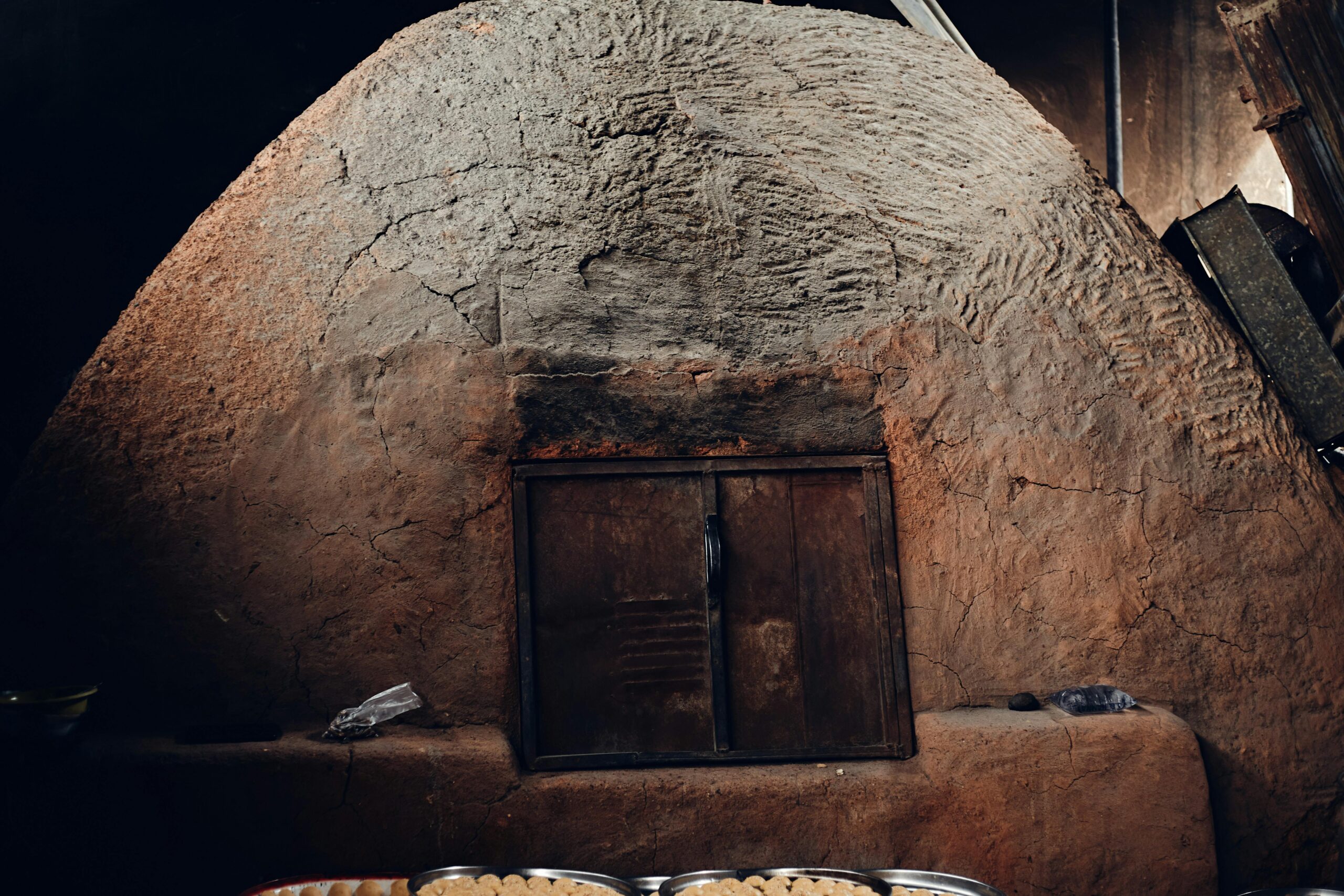
The earth oven, known by various names across cultures—imu in Hawaii, pachamanca in Peru, hangi in New Zealand—represents one of humanity’s most ingenious culinary technologies. These underground cooking chambers have sustained communities for millennia, offering a zero-emission, fuel-efficient method that transforms simple ingredients into complex, flavorful meals through patient, indirect heat.
Anúncios
Today’s environmental challenges and growing interest in off-grid living have sparked renewed attention to these ancient techniques. Modern interpretations of earth ovens are emerging in sustainable architecture, permaculture design, and outdoor education programs worldwide. This resurgence isn’t merely nostalgic—it’s a practical response to climate concerns and a rediscovery of architectural principles that our ancestors understood intuitively.
🌍 The Timeless Architecture of Underground Cooking
Earth ovens function through principles of thermal mass, insulation, and radiant heat distribution. The basic design involves excavating a pit, lining it with heat-retaining stones, building an intense fire to heat these stones, then covering food layers with earth to trap heat for extended cooking periods. This deceptively simple architecture creates a remarkably efficient cooking environment.
Anúncios
The thermal properties of earth itself provide exceptional insulation. Soil’s low thermal conductivity means heat escapes slowly, maintaining consistent temperatures for 12 to 48 hours depending on pit size and design. This extended cooking window allows tough cuts of meat to become tender, root vegetables to caramelize naturally, and grains to develop complex flavors impossible to achieve through conventional methods.
Traditional earth oven construction varied by region and available materials. Coastal communities often used volcanic rock or river stones, while inland populations developed clay-lined pits. Desert cultures created elaborate underground chambers that could maintain heat for days, while forest dwellers incorporated green wood and leaves for moisture control. Each adaptation reflected deep understanding of local geology, climate, and food preservation needs.
Structural Elements That Define Efficiency
The most effective earth ovens share several architectural features. A properly sized pit—typically 3 to 5 feet deep and 4 to 6 feet in diameter—balances heat retention with cooking capacity. The stone layer, usually 6 to 12 inches thick, acts as both heat reservoir and cooking surface. Stone selection matters enormously: dense, non-porous rocks like granite or basalt retain heat longer and resist cracking from thermal stress.
Ventilation during the heating phase ensures complete combustion and maximum stone temperature. Traditional builders created temporary air channels or positioned fuel strategically to promote airflow. Once cooking begins, these channels are sealed, transforming the oven into a closed system where moisture and heat circulate continuously.
Layering techniques optimize heat distribution. Root vegetables placed directly on stones receive intense heat, while wrapped meats positioned higher cook more gently. Moisture-rich leaves like banana, ti, or grape create steam layers that prevent drying and infuse subtle flavors. This vertical architecture creates multiple cooking zones within a single chamber.
♻️ Sustainability Advantages Over Modern Cooking Methods
Earth ovens offer remarkable environmental benefits that align perfectly with contemporary sustainability goals. Unlike conventional ovens requiring continuous energy input, earth ovens use a single fuel load—often consisting of waste wood, prunings, or sustainable biomass—to cook multiple dishes simultaneously over extended periods.
The carbon footprint comparison is striking. A typical electric oven consuming 2-3 kWh per hour for a 12-hour slow-cook session would use 24-36 kWh of electricity. Earth ovens achieve similar results using approximately 50-75 pounds of wood, which when sourced sustainably from fallen branches or forest management activities, represents carbon already part of the natural cycle rather than fossil fuel extraction.
Water conservation represents another advantage. The sealed environment recycles moisture continuously, eliminating the evaporation that occurs in conventional cooking. Foods retain natural juices, requiring no added liquids or oils. This closed-loop system particularly benefits arid regions where water conservation is critical.
Zero-Waste Cooking Ecosystems
Earth ovens naturally encourage zero-waste practices. Ash from the heating fire provides potassium-rich soil amendment for gardens. Leftover stones can be repurposed in landscaping or future cooking sessions. Even the excavated soil serves multiple purposes—some builders create raised garden beds around their earth ovens, using the removed earth as growing medium.
The multi-day cooking capacity reduces fuel consumption per meal dramatically. Communities hosting gatherings can prepare food for 50-100 people using resources that might cook for 4-6 people in conventional ovens over the same period. This scalability made earth ovens essential for traditional feast preparations and remains relevant for community-supported agriculture programs, farm-to-table events, and eco-tourism ventures.
🏗️ Modern Innovations Enhancing Ancient Designs
Contemporary earth oven builders are integrating new materials and techniques while preserving core principles. Refractory cement linings increase durability and reduce stone requirements. Insulated metal doors allow temperature monitoring without disturbing the cooking environment. Some designs incorporate embedded thermocouples connected to wireless monitoring systems, letting cooks track internal temperatures via smartphone apps.
Prefabricated earth oven kits have democratized access to this technology. These systems include pre-cut metal forms, insulation materials, and detailed assembly instructions, allowing individuals without masonry experience to construct functional earth ovens over a weekend. While purists debate whether these hybrid systems qualify as “authentic,” they’ve introduced thousands of people to earth oven cooking who might never have attempted traditional construction.
Permanent installations are appearing in sustainable architecture projects worldwide. Outdoor kitchens in eco-resorts feature beautifully finished earth ovens with decorative stonework and integrated seating areas. Educational farms incorporate teaching earth ovens where students learn about indigenous food systems, thermodynamics, and sustainable agriculture simultaneously.
Hybrid Systems Bridging Old and New
Some innovations combine earth oven principles with modern convenience. Above-ground structures using rammed earth walls and insulated dome designs replicate underground thermal properties while improving accessibility. These installations appeal to elderly users or those with mobility challenges who find bending over ground-level pits difficult.
Solar-assisted earth ovens represent fascinating technological fusion. Reflective panels concentrate sunlight to preheat stones before traditional firing, reducing wood requirements by 30-40%. This approach particularly benefits regions with abundant sunshine but limited biomass, such as Mediterranean climates or desert environments.
Biochar production represents an emerging complementary technology. Modified earth oven designs incorporate controlled combustion conditions that convert wood into biochar—a stable form of carbon that improves soil fertility while sequestering carbon long-term. These systems generate heat for cooking while producing valuable agricultural amendments.
🍽️ Culinary Applications for Multi-Day Cooking
Earth ovens excel at transforming economical ingredients into extraordinary meals. Tough, collagen-rich cuts like beef brisket, pork shoulder, or lamb shanks become fork-tender through extended low-temperature cooking. The constant moisture prevents drying while gradual heat breaks down connective tissues into rich, gelatinous textures impossible to achieve through faster cooking methods.
Whole-animal cooking maximizes food utilization and creates memorable centerpieces for community gatherings. A whole pig cooked in an earth oven yields incomparably moist meat with subtly smoky flavor, while the enclosed environment ensures nothing is wasted. Traditional Hawaiian imu cooking produces kalua pork with distinctive texture and taste that modern smokers cannot replicate.
Plant-based ingredients undergo remarkable transformations in earth ovens. Root vegetables develop concentrated sweetness as starches convert to sugars over many hours. Beans cook to creamy perfection without vigilant monitoring. Whole grains like wheat berries or farro achieve nutty complexity, while bread dough rises and bakes in the gradually decreasing heat of a cooling oven.
Seasonal Feast Preparation Strategies
Earth ovens align beautifully with seasonal eating patterns. Autumn harvest feasts benefit from the technology’s capacity to cook large quantities of squash, root vegetables, and game meats simultaneously. Winter celebrations can feature hearty stews and braised dishes that emerge from the earth oven after overnight cooking, ready for midday gatherings.
Preservation techniques integrate naturally with earth oven cooking. Meats cooked until falling-apart tender can be shredded and preserved in their own rendered fats—traditional confit methods that extended food security before refrigeration. Similarly, fruit cooked slowly in earth ovens becomes concentrated preserves without added pectin or excessive sugar.
Fermentation projects find unexpected support from earth ovens. The gentle, consistent warmth of a cooling earth oven provides ideal conditions for tempeh incubation, yogurt culturing, or sourdough proofing. Some practitioners schedule cooking sessions to coincide with fermentation needs, using the oven’s thermal decay curve for sequential food processing activities.
🌱 Integrating Earth Ovens into Permaculture Systems
Permaculture designers increasingly view earth ovens as multi-functional landscape elements rather than standalone cooking features. Strategic placement creates microclimates that benefit surrounding plantings—the excavated pit can become a water-harvesting swale, while residual heat supports cold-sensitive plants during shoulder seasons.
Coppiced woodlots provide sustainable fuel sources when managed on 3-5 year rotation cycles. Species like willow, hazel, or alder regrow vigorously after cutting, producing continuous biomass yields that feed both earth ovens and soil biology through mulching. This closed-loop system exemplifies permaculture’s emphasis on stacking functions and generating yields from every element.
Nutrient cycling receives significant benefits from earth oven integration. Ash distributed across food forests provides potassium and raises pH in acidic soils. Charcoal fragments improve soil structure and water retention while harboring beneficial microorganisms. These amendments cost nothing and represent waste transformation at its finest.
Community Building Through Shared Infrastructure
Earth ovens naturally facilitate community connection. The labor-intensive preparation process encourages collaborative work, while multi-day cooking timelines create anticipation and shared experiences. Neighborhood groups, ecovillages, and transition towns are rediscovering how shared food infrastructure strengthens social bonds while reducing individual resource consumption.
Educational opportunities abound around community earth ovens. Workshops teach fire management, food safety, traditional foodways, and cultural history simultaneously. Youth programs incorporate earth oven projects to explore chemistry, physics, anthropology, and ecology through hands-on learning that produces tangible, delicious results.
Economic benefits emerge from shared cooking infrastructure. Purchasing bulk ingredients for community earth oven events reduces per-person costs dramatically. Farmers selling whole animals or large produce quantities find ready markets among earth oven cooking groups. These economic connections support local food systems while making sustainable choices more financially accessible.
🔧 Practical Construction and Operation Guidelines
Successful earth oven construction begins with site selection. Well-drained locations prevent water accumulation in the pit. Avoid areas with high water tables or recent fill that may contain contaminants. Clear space around the oven prevents fire hazards—maintain at least 10 feet of clearance from structures or overhanging vegetation.
Stone selection deserves careful attention. Test stones by heating them gradually—rapid thermal expansion can cause explosive fracturing with certain rock types. Sedimentary rocks like sandstone or limestone often contain moisture that converts to steam, causing dangerous shattering. Dense igneous rocks like basalt prove most reliable, though sourcing may vary by location.
Wood choice affects cooking results significantly. Hardwoods like oak, maple, or fruit woods burn hotter and longer than softwoods, reducing the fuel quantity needed. Avoid treated lumber, painted wood, or materials that may contain adhesives—toxic compounds can contaminate food through smoke residue. Well-seasoned wood with moisture content below 20% burns most efficiently.
Temperature Management and Food Safety
Achieving food-safe temperatures requires planning and monitoring. Meat should reach internal temperatures of 165°F for poultry and 145°F for whole cuts of beef or pork. Probe thermometers inserted before sealing allow temperature checks without major disruption. Some builders create small access ports for thermometer insertion, maintaining most of the thermal seal.
Timing calculations depend on multiple variables: pit size, stone mass, food quantity, and ambient temperature. General guidelines suggest 1 hour of heating per inch of pit depth, with cooking times ranging from 8-12 hours for standard loads. Recording results from each cooking session builds site-specific knowledge that improves predictability over time.
Unwrapping ceremonies require care to prevent burns from escaping steam. Allow the earth oven to cool slightly—30-60 minutes—before excavation. Work systematically from the edges inward, removing earth layers gradually. Use long-handled tools to maintain distance from hot materials, and keep children and pets at safe distances during the unwrapping process.
🌐 Global Variations and Cultural Significance
Earth oven traditions reveal remarkable consistency across cultures despite geographic isolation. This convergent evolution suggests the technology addresses universal human needs efficiently. Yet regional variations reflect local ingredients, social structures, and spiritual beliefs that infuse cooking with cultural meaning beyond mere nutrition.
Pacific Island cultures developed particularly sophisticated earth oven practices. Hawaiian imu ceremonies marked significant life events with protocols governing participation, food arrangement, and blessing practices. Māori hangi traditions similarly integrate cooking technique with cultural transmission, teaching younger generations about reciprocity, patience, and community responsibility through food preparation.
South American pachamanca directly honors Pachamama (Mother Earth) through ritualized cooking. The earth itself becomes sacred participant rather than inert container, transforming meals into offerings that acknowledge human dependence on natural systems. These spiritual dimensions remind modern practitioners that sustainable technology involves relationships and respect, not merely technical efficiency.
💡 Future Directions for Earth Oven Innovation
Research into earth oven thermodynamics continues revealing optimization opportunities. University programs are modeling heat distribution patterns, testing insulation materials, and quantifying energy efficiency metrics that demonstrate earth ovens’ viability as serious cooking technology rather than recreational novelty.
Disaster preparedness applications show particular promise. Earth ovens require no electricity, gas infrastructure, or complex supply chains—advantages during emergencies when conventional systems fail. Humanitarian organizations are exploring earth oven training for refugee camps and disaster zones where displaced populations need dignified, culturally appropriate cooking methods.
Climate adaptation strategies increasingly feature earth ovens as temperatures rise and energy costs escalate. Outdoor summer cooking reduces household heat gain, lowering cooling demands. Communities in fire-prone regions are developing protocols for safe earth oven operation during fire season, recognizing that eliminating this resource entirely may increase reliance on fossil-fuel infrastructure.
🔥 Rekindling Ancient Flames for Modern Challenges
The earth oven renaissance represents more than culinary nostalgia—it embodies practical wisdom for navigating uncertain futures. As energy systems face disruption and climate change demands rapid adaptation, technologies requiring minimal resources while delivering maximum utility become invaluable. Earth ovens exemplify such appropriate technology, scaling from individual families to community gatherings without compromising effectiveness.
These ancient cooking chambers also challenge contemporary assumptions about progress and convenience. The multi-day cooking process demands patience and planning incompatible with instant gratification culture. Yet practitioners consistently report that this slowness creates space for connection, reflection, and presence often missing from modern life. The technology succeeds precisely because it resists optimization beyond certain thresholds, maintaining human-scale interaction with food and fire.
Educational value extends beyond practical skills into worldview transformation. Learning that previous generations sustained themselves with such elegant simplicity disrupts narratives of primitive past and advanced present. Earth ovens demonstrate that sustainability doesn’t require sacrifice or deprivation—it offers abundance through different, perhaps wiser, pathways.
The architectural wisdom embedded in earth ovens—thermal mass utilization, passive heat retention, multi-functional design—informs broader conversations about sustainable building and regenerative living. These principles scale from cooking pits to entire homes, suggesting that indigenous knowledge holds solutions to problems industrial society created but struggles to solve.
As more individuals experiment with earth oven cooking, a global community of practice emerges through online forums, workshops, and published documentation. This knowledge sharing accelerates innovation while preserving traditional approaches, creating hybrid practices that honor cultural roots while embracing contemporary contexts. The result is living tradition rather than museum piece—earth oven cooking that evolves without losing essential character.
For those seeking tangible steps toward sustainable living, earth oven construction offers accessible entry point. The project requires modest resources, develops practical skills, and produces immediate rewards. Success builds confidence for larger sustainability initiatives while connecting practitioners to vast networks of people pursuing similar transformations worldwide.
The smoke rising from earth ovens across continents carries messages both ancient and urgent: that humans can meet needs beautifully without depleting resources, that community strengthens through shared effort, and that wisdom for thriving exists in practices our ancestors perfected over millennia. In rediscovering these truths through underground cooking chambers, we might just unearth pathways toward futures both sustainable and deeply satisfying. 🌿
