
Anúncios
Ash-bed cooking is an ancient culinary technique that transforms ordinary meals into extraordinary dining experiences through precise heat management and natural flavor enhancement.
Fire has been humanity’s oldest cooking companion, and within the glowing embers lies a secret that modern chefs and outdoor cooking enthusiasts are rediscovering. Ash-bed cooking, also known as ember cooking or coal-bed roasting, offers unparalleled temperature control and imparts a distinctive smoky essence that gas grills and conventional ovens simply cannot replicate. This comprehensive guide will unlock the mysteries of mastering ash-bed cooking temperatures, ensuring your ingredients receive the exact heat treatment they deserve.
Anúncios
🔥 Understanding the Science Behind Ash-Bed Cooking
The foundation of successful ash-bed cooking rests on comprehending how heat radiates from embers. Unlike direct flame cooking, ash beds provide consistent, radiant heat that cooks food evenly from all directions. When wood burns down to coals, it creates a stable heat source that maintains relatively constant temperatures for extended periods, making it ideal for controlled cooking.
Embers emit infrared radiation that penetrates food more deeply than convection heat from flames. This radiation creates the Maillard reaction on food surfaces while gently cooking the interior, resulting in perfectly caramelized exteriors with tender, juicy centers. The ash layer itself acts as an insulator, protecting delicate ingredients from excessive heat while allowing sufficient warmth to cook thoroughly.
Anúncios
Temperature Zones Within Your Ash Bed
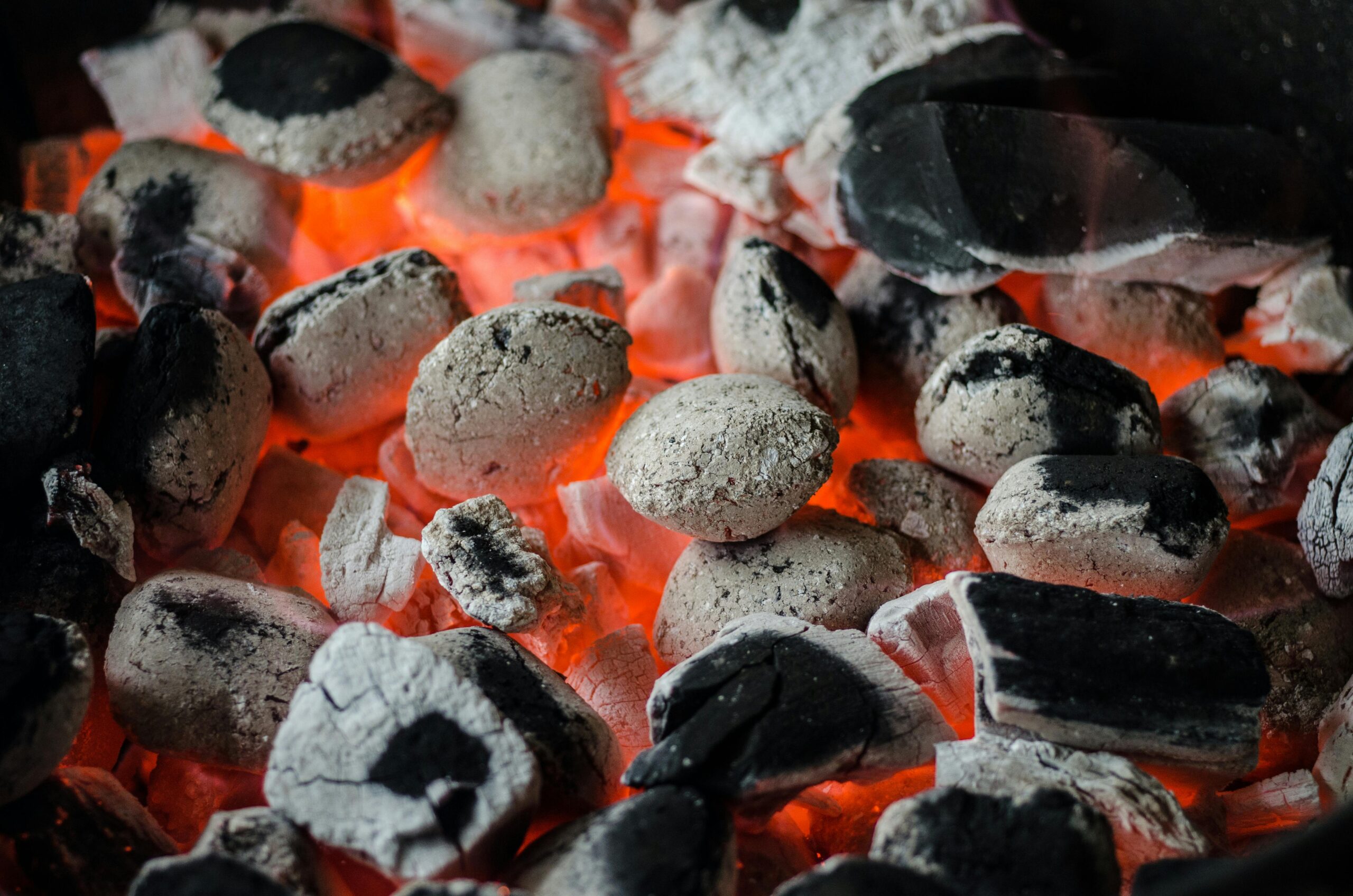
A well-prepared ash bed contains multiple temperature zones that experienced cooks leverage for different ingredients. The hottest area sits just beneath the surface ash layer where active coals glow brightest, typically reaching 700-900°F (370-480°C). The middle zone, covered by a thin ash blanket, maintains temperatures between 400-600°F (200-315°C), perfect for most vegetables and proteins.
The cooler perimeter zones, where embers are less concentrated, provide gentle heat ranging from 200-350°F (95-175°C), ideal for slow cooking or keeping finished items warm. Understanding these natural gradients allows you to cook multiple items simultaneously at their optimal temperatures.
Building the Perfect Ash Bed for Temperature Mastery
Creating an ideal ash bed begins long before you place food near the coals. The wood selection significantly impacts both temperature consistency and flavor profile. Hardwoods like oak, hickory, maple, and fruitwoods burn longer and hotter than softwoods, producing stable ember beds with superior heat retention.
Start by building a proper fire with adequate airflow. Stack your hardwood in a log cabin or teepee configuration, allowing oxygen to circulate freely. Once ignited, let the wood burn for 45-90 minutes until flames subside and you’re left with glowing coals covered by light gray ash. This ash coating indicates the coals have reached optimal cooking temperature.
Preparing Your Cooking Surface
Once your embers are ready, spread them into an even layer approximately 2-4 inches deep, depending on your cooking needs. For high-heat searing, keep the bed shallow with minimal ash coverage. For gentle roasting or baking, create a deeper bed and allow more ash to accumulate, which moderates the temperature naturally.
Use a long-handled tool to create designated zones by concentrating coals in some areas while spreading them thinly in others. This strategic arrangement provides immediate access to different temperature ranges without waiting for your fire to heat up or cool down.
Temperature Control Techniques for Different Foods 🌡️
Mastering ash-bed cooking means understanding that different ingredients require vastly different heat approaches. Proteins, vegetables, breads, and desserts each benefit from specific temperature ranges and cooking durations that unlock their full potential.
Cooking Proteins to Perfection
Steaks and chops thrive in the high-heat zones of your ash bed. Position them directly over glowing coals with minimal ash coverage, where temperatures reach 700-800°F (370-425°C). This intense heat creates restaurant-quality sear marks and crust formation in just 2-4 minutes per side for medium-rare results.
Whole fish and delicate seafood require gentler treatment. Wrap them in grape leaves, corn husks, or wet parchment paper, then nestle them in medium-heat zones (400-500°F/200-260°C) covered with a light ash blanket. This method steams the fish while imparting subtle smoky notes, cooking through in 8-15 minutes depending on thickness.
Poultry benefits from a two-zone approach. Start whole birds or bone-in pieces in moderate heat (350-450°F/175-230°C) to render fat and cook through without burning, then finish over higher heat to crisp the skin. A whole chicken typically requires 45-60 minutes using this method, with periodic rotation for even cooking.
Vegetables and Roots in the Embers
Root vegetables like potatoes, sweet potatoes, beets, and carrots excel when buried directly in ash beds. The surrounding ash creates an oven-like environment maintaining 350-425°F (175-220°C), perfectly suited for transforming starches into sweet, creamy textures. Cooking times range from 30 minutes for smaller items to 90 minutes for large potatoes.
Tender vegetables such as peppers, eggplants, and onions benefit from direct coal contact. Place them on the hottest sections where light ash coverage maintains 500-650°F (260-345°C). The high heat chars the exterior beautifully while steaming the interior, creating complex flavors in 10-20 minutes with occasional turning.
Essential Tools for Temperature Management
While ash-bed cooking embraces primitive techniques, certain tools dramatically improve your temperature control and cooking precision. An infrared thermometer allows instant temperature readings across your ember bed without physical contact, helping you identify and maintain optimal zones throughout the cooking process.
Long-handled tongs and spatulas keep your hands safe from radiant heat while providing the reach necessary to adjust food positions. A quality fire poker or rake enables quick ember redistribution when you need to modify temperature zones during cooking sessions.
Cast iron implements serve dual purposes in ash-bed cooking. A heavy skillet placed over coals creates a stable cooking platform for items too delicate for direct ember contact, while cast iron Dutch ovens transform your fire into an outdoor oven capable of baking bread, cobblers, and casseroles at consistent temperatures.
Monitoring Without Guesswork
Visual cues provide experienced cooks with temperature information without instruments. Bright orange or red coals indicate the hottest temperatures (700-900°F/370-480°C), while coals with heavy white ash coverage signal moderate heat (400-600°F/200-315°C). When coals appear mostly gray with occasional red spots, temperatures have dropped to the low range (200-350°F/95-175°C).
The hand test offers another traditional method, though it requires caution. Hold your palm about 6 inches above the coals and count how many seconds you can comfortably keep it there. One to two seconds indicates high heat, three to four seconds suggests medium heat, and five to seven seconds means low heat.
Advanced Temperature Regulation Strategies 🎯
Once you’ve mastered basic temperature zones, advanced techniques open new culinary possibilities. Creating heat gradients allows you to cook entire meals simultaneously, moving ingredients between zones as they progress from searing to gentle finishing or warming.
The Banking Method
Banking involves piling coals against one side of your cooking area while leaving the opposite side with minimal embers. This creates a dramatic temperature gradient from extremely hot to cool within a compact space. Start proteins on the hot side for searing, then migrate them to the cool side for gentle carry-over cooking that brings interiors to perfect doneness without exterior burning.
Ash Insulation Technique
For ultra-precise low-temperature cooking, deliberately cover your coals with a thick ash layer 1-2 inches deep. This insulation moderates heat output, creating stable temperatures between 225-300°F (107-150°C), perfect for slow-roasting tough cuts that require hours to become tender. Add fresh coals periodically around the perimeter to maintain consistent heat levels.
Timing and Temperature Charts for Common Foods
Reference guides help ensure consistent results until experience builds intuitive understanding. These temperature ranges and cooking times serve as starting points that you’ll adjust based on your specific fire conditions, food thickness, and personal preferences.
| Food Item | Temperature Zone | Approximate Time | Target Internal Temp |
|---|---|---|---|
| Beef Steak (1-inch) | 700-800°F | 4-6 minutes | 130-135°F (medium-rare) |
| Whole Chicken | 350-450°F | 45-60 minutes | 165°F |
| Salmon Fillet | 400-500°F | 8-12 minutes | 125-130°F |
| Whole Potatoes | 350-425°F | 45-75 minutes | 205-210°F |
| Bell Peppers | 500-650°F | 12-18 minutes | Charred exterior |
| Bread Loaves | 375-425°F | 25-40 minutes | 190-200°F |
| Pork Ribs | 225-275°F | 2.5-3 hours | 190-203°F |
Troubleshooting Common Temperature Challenges
Even experienced ember cooks encounter temperature management issues. Recognizing problems early and implementing quick corrections prevents ruined meals and maintains your cooking momentum.
When Your Bed Runs Too Hot
Excessive heat causes exterior burning before interiors cook properly. If temperatures spike beyond your target range, spread coals thinner to increase surface area and heat dissipation. Alternatively, cover hot spots with additional ash, which acts as thermal insulation reducing radiant heat output immediately. Moving food to cooler perimeter zones provides temporary relief while your adjustments take effect.
Recovering from Insufficient Heat
When ember beds cool below effective cooking temperatures, add fresh hardwood coals from a separate fire source rather than raw wood, which produces flames and smoke that can impart bitter flavors. Concentrate existing coals into tighter clusters to intensify heat in specific zones. Increasing airflow by gently blowing on coals or using a fire bellows temporarily boosts temperatures when you need quick heat recovery.
Safety Considerations for Ember Cooking 🛡️
Working with live coals demands respect and proper precautions. Always establish your cooking area on non-flammable surfaces away from structures, dry vegetation, and overhanging branches. Keep water or sand readily available for emergency extinguishing, though water can create dangerous steam when contacting hot coals.
Wear appropriate protective gear including heat-resistant gloves rated for temperatures exceeding 500°F when handling implements near coals. Natural fiber clothing resists melting better than synthetics if sparks land on fabric. Never leave active ember beds unattended, and ensure complete extinguishment before departing your cooking site.
Carbon monoxide poses serious risks in enclosed spaces. Only practice ash-bed cooking outdoors with adequate ventilation. The colorless, odorless gas can accumulate to lethal concentrations in garages, covered patios, or tents even with partially open doors or windows.
Enhancing Flavors Through Wood Selection 🌳
Beyond temperature control, your wood choice significantly impacts final flavor profiles. Oak provides neutral heat without overwhelming food with smoke, making it ideal for highlighting ingredient flavors. Hickory delivers robust, bacon-like notes perfect for pork and beef, while maple offers subtle sweetness that complements poultry and vegetables.
Fruitwoods including apple, cherry, and peach produce mild, slightly sweet smoke that pairs beautifully with fish, pork, and desserts. Mesquite burns extremely hot with intense flavor that can overpower delicate ingredients but excels with bold-flavored beef cuts. Mixing woods creates complex flavor layers—try combining oak for heat stability with small amounts of fruitwood for aromatic enhancement.
Seasonal Adaptations and Weather Considerations
Environmental conditions dramatically affect ash-bed cooking performance. Cold weather causes coals to burn faster and lose heat more quickly, requiring 20-30% more fuel and closer temperature monitoring. Wind increases oxygen supply, intensifying combustion and raising temperatures unpredictably. Position your cooking area with natural windbreaks or create barriers using stones or metal sheets.
Humidity impacts ember longevity and temperature stability. Damp conditions cause wood to smolder rather than burn cleanly, producing excessive smoke and inconsistent heat. Store cooking wood in covered areas and only use thoroughly seasoned hardwood with moisture content below 20% for optimal results.
Elevating Your Technique Through Practice
Mastery emerges through repetition and careful observation. Start with forgiving ingredients like root vegetables and simple proteins before attempting delicate fish or precise baking projects. Keep detailed notes documenting wood types, ember bed depths, cooking times, and results to build your personal reference library.
Experiment with ember placement patterns, varying ash coverage, and different temperature zone configurations. Each fire presents unique characteristics based on wood density, weather conditions, and coal distribution. Developing intuitive understanding of how these variables interact separates competent ember cooks from true masters.
Join outdoor cooking communities where experienced practitioners share techniques, troubleshooting advice, and creative applications. Online forums, local workshops, and cooking events provide invaluable learning opportunities and inspiration for expanding your ash-bed cooking repertoire beyond basic applications into gourmet territory.
Transforming Everyday Meals into Memorable Experiences
The beauty of ash-bed cooking extends beyond temperature control and technical precision. This ancient method reconnects us with elemental cooking processes our ancestors relied upon, creating mindful culinary experiences that modern convenience often eliminates. The ritual of fire building, ember preparation, and attentive cooking fosters appreciation for ingredients and the transformative power of carefully applied heat.
Meals prepared over embers carry distinctive character impossible to replicate with conventional equipment. Subtle smoke infusion, natural caramelization from radiant heat, and the slightly primitive presentation create memorable dining moments that guests remember long after flavors fade. Whether cooking for family gatherings, special celebrations, or solo outdoor adventures, ash-bed techniques elevate ordinary ingredients into extraordinary creations.
As you develop proficiency with temperature management, you’ll discover ash-bed cooking offers unlimited creative possibilities. From perfectly charred vegetables and succulent roasted meats to artisan breads and ember-baked desserts, this versatile technique adapts to virtually any culinary vision. The combination of precise heat control and natural flavor enhancement ensures your meals achieve consistent excellence that keeps people returning to your fire circle time after time.
