
Anúncios
For thousands of years, humans have harnessed the power of earth itself to preserve and transform food through fermentation pits, creating a remarkable intersection of storage and cooking technology.
🌍 The Ancient Technology That Changed Civilization
Long before refrigeration, canning, or modern food processing, our ancestors discovered that digging into the earth could unlock extraordinary culinary and preservation possibilities. Fermentation pits represent one of humanity’s most ingenious food innovations, combining the principles of underground storage with the transformative power of microbial activity. These subterranean chambers served dual purposes that were revolutionary for ancient communities: they could store food for extended periods while simultaneously cooking or fermenting it through natural biological processes.
Anúncios
The brilliance of fermentation pits lies in their simplicity and effectiveness. By utilizing the earth’s constant temperature, natural insulation properties, and anaerobic conditions, ancient peoples created environments where beneficial bacteria and yeasts could thrive. This wasn’t merely food storage—it was active food transformation that enhanced nutritional value, improved digestibility, and created entirely new flavors that became cultural staples.
Understanding the Science Behind Underground Fermentation
The effectiveness of fermentation pits stems from several key environmental factors that occur naturally below the earth’s surface. Underground environments maintain relatively stable temperatures throughout the year, typically ranging between 10-15°C (50-59°F) depending on depth and location. This thermal stability creates ideal conditions for controlled fermentation processes that would be impossible to achieve with surface-level storage.
Anúncios
When organic materials are placed in these pits and sealed from oxygen, anaerobic fermentation begins. Lactic acid bacteria, naturally present on plant materials and in the environment, start breaking down sugars and starches. This process produces lactic acid, which lowers the pH level and creates an acidic environment that inhibits harmful pathogens while encouraging beneficial microorganisms to flourish.
The Perfect Underground Environment 🏔️
Several characteristics make underground pits exceptional for fermentation:
- Consistent temperature regulation prevents spoilage from heat fluctuations
- Natural humidity levels maintain proper moisture content in fermenting foods
- Darkness protects sensitive nutrients from light degradation
- Pressure from earth covering can assist in extracting juices and creating compact storage
- Anaerobic conditions eliminate oxygen-dependent spoilage organisms
- Natural filtration through soil layers can contribute trace minerals
Historical Evidence of Fermentation Pit Usage Worldwide
Archaeological evidence reveals that fermentation pits were independently developed by numerous cultures across every inhabited continent. This parallel innovation demonstrates how universally valuable this technology was for human survival and development. From the Arctic to the tropics, communities adapted the basic concept to their specific environments and available food sources.
In Scandinavia, communities created elaborate pit systems for fermenting fish, producing delicacies like surströmming that remain culturally significant today. Pacific Island cultures developed underground ovens called umu or imu that combined fermentation with slow cooking, creating the distinctive flavors of traditional luau dishes. Native American groups throughout North America used pit storage for preserving corn, squash, and other vegetables through winter months.
Asian Innovations in Underground Fermentation 🥬
Korean communities perfected the art of underground kimchi storage, creating specialized earthenware vessels called onggi that were buried to maintain optimal fermentation temperatures. This practice, dating back thousands of years, allowed families to preserve massive quantities of vegetables through harsh winters. The fermentation pits created such ideal conditions that kimchi produced through this method developed complex flavor profiles impossible to replicate with modern refrigeration.
Chinese civilizations employed similar techniques for producing fermented vegetables, soy products, and preserved meats. Archaeological sites have uncovered ancient fermentation pits lined with clay, demonstrating sophisticated understanding of moisture control and temperature regulation. These installations often featured drainage systems to remove excess liquid and maintain proper fermentation conditions.
The Dual Functionality: Storage Meets Transformation
What distinguishes fermentation pits from simple cold storage is their active role in food transformation. While a modern refrigerator halts biological activity to prevent spoilage, fermentation pits encourage specific types of microbial activity that fundamentally change the food’s chemical composition, nutritional profile, and flavor characteristics.
This dual functionality provided ancient communities with remarkable advantages. Raw vegetables with limited shelf life could be transformed into fermented products lasting months or even years. Tough, fibrous plant materials became tender and digestible. Toxic compounds in certain foods were neutralized through fermentation. Most importantly, the nutritional value often increased as beneficial bacteria produced vitamins and broke down anti-nutrients.
Cooking Without Fire or Fuel 🔥
The concept of “cooking” through fermentation challenges our modern understanding of food preparation. While no heat is applied, the biochemical transformations occurring in fermentation pits fundamentally alter food structure in ways comparable to thermal cooking. Proteins denature, cell walls break down, and flavors develop through complex chemical reactions.
For resource-scarce communities, this represented an enormous advantage. No firewood needed to be gathered or conserved. No constant attention was required to tend cooking fires. Foods could be “cooking” underground while people attended to other survival tasks. This passive preparation method freed up time and energy for other essential activities.
Construction Techniques Across Different Climates
The specific design of fermentation pits varied tremendously based on local climate, soil composition, and available materials. Arctic communities dealt with permafrost, requiring pits that could freeze food naturally while still allowing controlled fermentation during brief summer months. Tropical cultures needed designs that prevented excessive moisture and maintained cool temperatures despite surface heat.
In temperate regions, pits were typically dug 1-2 meters deep to reach below the frost line while avoiding water tables. Walls might be left as bare earth, lined with stones, or plastered with clay depending on soil stability and moisture levels. Coverings ranged from simple earth mounds to elaborate wooden structures that shed rain while allowing gas exchange.
Materials and Lining Options 🪨
Ancient builders selected pit lining materials based on several considerations:
- Stone linings provided structural stability in loose soils and excellent thermal mass
- Clay plastering created waterproof barriers and controlled moisture exchange
- Wood planking offered insulation and easier access but required replacement over time
- Woven baskets and mats prevented direct soil contact while allowing drainage
- Animal skins and bark layers provided additional moisture barriers when needed
Nutritional Benefits of Pit-Fermented Foods
Modern nutritional science has confirmed what ancient peoples knew intuitively: fermented foods offer health advantages beyond their raw ingredients. The fermentation process occurring in underground pits creates probiotic-rich foods that support digestive health and immune function. Beneficial bacteria colonize the food, and when consumed, these microorganisms contribute to a healthy gut microbiome.
Fermentation also increases bioavailability of nutrients. Phytic acid and other anti-nutrients that bind minerals are broken down, making iron, zinc, and calcium more accessible for absorption. B-vitamins, particularly B12, are synthesized by fermenting microorganisms. Vitamin C content often increases despite the absence of heat that typically degrades this nutrient in cooking.
Enhanced Digestibility and Food Safety 🦠
The lactic acid produced during fermentation pre-digests complex carbohydrates and proteins, making fermented foods easier to digest than their raw counterparts. This was particularly important for communities with limited food diversity, as fermentation could make otherwise indigestible foods nutritionally accessible. Legumes, grains, and tough vegetables became more digestible after pit fermentation.
Safety benefits were equally crucial. The acidic environment created by lactic acid bacteria inhibits dangerous pathogens including Clostridium botulinum, Salmonella, and E. coli. This natural preservation allowed foods to be stored safely for extended periods without refrigeration, providing food security during lean seasons when fresh food was unavailable.
Modern Applications and Revival of Ancient Techniques
Contemporary interest in traditional fermentation methods has sparked renewed appreciation for fermentation pit technology. Chefs exploring ancestral cooking techniques are rediscovering the unique flavors and textures achievable through underground fermentation. Sustainability advocates recognize the energy efficiency of passive food preservation methods that require no electricity or fossil fuels.
Some modern homesteaders and permaculture practitioners are constructing fermentation pits based on archaeological evidence and traditional knowledge. These installations provide off-grid food storage solutions while producing distinctive fermented products impossible to replicate with standard kitchen fermentation methods. The stable underground temperatures eliminate the temperature fluctuations that can compromise fermentation quality in above-ground vessels.
Adapting Ancient Wisdom for Contemporary Use 🌱
Modern fermentation pits incorporate traditional principles with contemporary materials and understanding. Food-grade plastic liners prevent soil contamination while maintaining proper gas exchange. Monitoring systems can track temperature and pH levels without disturbing the fermentation process. Drainage tubes prevent water accumulation that could compromise fermentation quality.
Educational institutions and cultural preservation organizations are documenting traditional pit fermentation techniques before this knowledge disappears. Partnerships between indigenous communities and researchers are revealing sophisticated understanding of microbiology and food science that predates modern scientific discovery by millennia.
Creating Your Own Fermentation Pit System
For those interested in experimenting with this ancient technology, establishing a basic fermentation pit is surprisingly accessible. The process requires careful site selection, proper construction, and understanding of basic fermentation principles. Success depends on matching pit design to local climate conditions and intended food products.
Site selection should consider drainage, accessibility, and soil composition. Avoid areas with high water tables or prone to flooding. Choose locations with stable soil that won’t collapse. Consider sun exposure and how it affects underground temperatures. Proximity to the kitchen or food processing area improves convenience while maintaining distance from contamination sources.
Step-by-Step Construction Guidelines 🔨
Basic construction follows these general principles:
- Excavate to appropriate depth based on climate (deeper in warmer regions, shallower where ground freezes)
- Install drainage layer of gravel or sand if soil doesn’t drain naturally
- Line walls with chosen material ensuring stability and appropriate moisture control
- Create platform or false floor to keep fermenting containers above any drainage water
- Design covering system that sheds rain while allowing gas exchange
- Implement pest barriers to prevent rodent access
- Establish markers or access points for winter retrieval if applicable
Safety Considerations and Best Practices
While fermentation pits are remarkably safe when properly managed, certain precautions ensure successful outcomes. Understanding warning signs of problematic fermentation prevents consumption of spoiled foods. Proper pit maintenance prevents contamination and extends the life of the installation.
Regular monitoring during early fermentation stages helps identify issues before they compromise the entire batch. Off-odors, surface mold, or unusual textures indicate problems requiring attention. Maintaining proper salt concentrations, acidity levels, and anaerobic conditions prevents most fermentation failures.
Common Pitfalls to Avoid ⚠️
Successful pit fermentation requires avoiding several common mistakes. Insufficient salt concentration allows harmful bacteria to outcompete beneficial microorganisms. Excessive oxygen exposure during filling or covering permits aerobic spoilage. Temperature extremes from poor site selection or inadequate depth compromise fermentation quality. Poor drainage causes waterlogging that creates off-flavors and texture problems.
Understanding your specific climate and seasonal variations helps anticipate and prevent issues. Winter freezing might halt fermentation in some locations while excessive summer heat could over-ferment products in others. Adapting techniques to local conditions ensures consistent results throughout the year.
The Cultural Significance of Fermented Foods
Beyond practical preservation, fermentation pit products became culturally defining foods that shaped identity and tradition. The distinctive flavors developed through underground fermentation cannot be replicated through modern methods, making these foods irreplaceable cultural treasures. Community fermentation events marked seasonal transitions and strengthened social bonds through shared labor and eventual feasting.
Traditional fermented foods often held ceremonial importance, served at weddings, coming-of-age celebrations, and religious observances. The skills required for successful fermentation were passed through generations, creating lineages of knowledge that connected past and future. Losing these traditions means losing not just food preservation techniques but entire cultural knowledge systems.
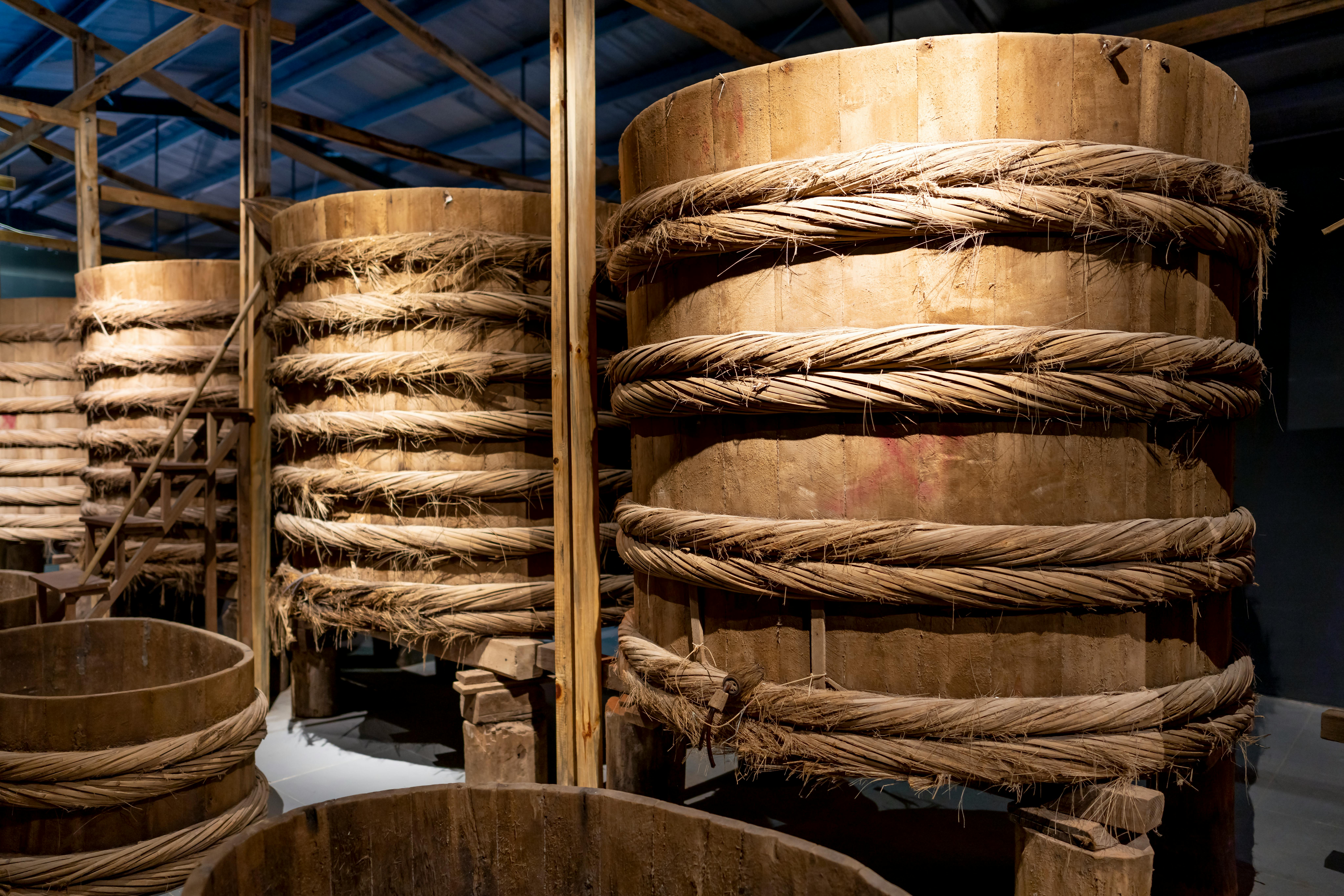
Looking Forward: Sustainability and Food Security 🌐
As climate change threatens modern food systems and energy costs rise, ancient preservation technologies offer valuable alternatives. Fermentation pits require no electricity, produce no emissions, and use only materials available locally. They provide food security during disruptions to supply chains or power grids. The resilience of traditional food systems deserves serious consideration in planning sustainable futures.
Integrating fermentation pit technology with contemporary knowledge creates hybrid systems that maximize benefits of both approaches. Scientific understanding of microbiology improves safety and consistency while traditional techniques provide time-tested practical methods. This synthesis honors ancestral wisdom while applying modern insights for enhanced results.
The revival of fermentation pits represents more than nostalgic recreation of past practices. It demonstrates practical solutions to contemporary challenges using principles proven effective across millennia and diverse cultures. As we face uncertain food futures, these ancient innovations offer tested, sustainable approaches to preservation and nutrition. The earth itself becomes partner in food production, providing the stable conditions necessary for transformation that nourishes both body and culture.
By understanding and applying fermentation pit technology, we reconnect with fundamental processes that sustained human civilization through countless challenges. This ancient innovation continues offering solutions perfectly suited to modern needs for sustainable, nutritious, locally-controlled food systems. The pits our ancestors dug into the earth still hold lessons for creating resilient, flavorful, and healthy food traditions that can sustain communities for generations to come.
