
Anúncios
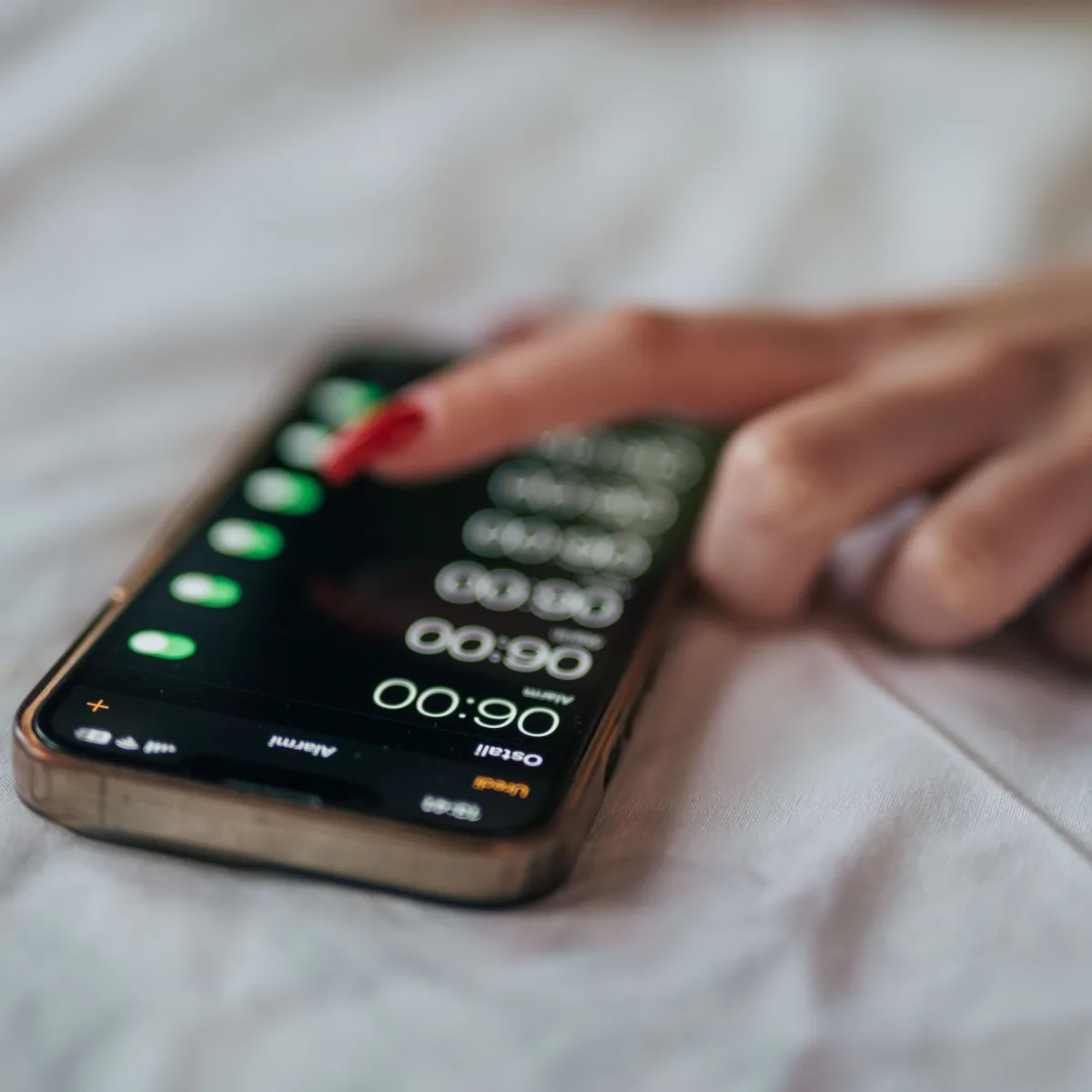
Waking up in the morning can be one of the biggest challenges of daily life, especially for those who struggle with traditional alarms that are easy to dismiss or ignore.
Smart alarm clock applications have revolutionized the way millions of people around the world start their day. These innovative tools go far beyond simply playing a ringtone at a scheduled time, incorporating advanced features designed to ensure you actually get out of bed and start your morning routine with energy and focus.
Anúncios
Whether you’re a chronic snoozer, someone who sleeps through multiple alarms, or simply looking to optimize your sleep patterns, smart alarm apps offer personalized solutions that adapt to your unique lifestyle and sleep habits. Let’s explore how these applications work and why they’ve become essential tools for productive mornings.
🌅 What Makes an Alarm Clock Application “Smart”?
Traditional alarm clocks simply ring at a preset time, but smart alarm applications integrate multiple technologies and methodologies to ensure effective wake-ups. These apps utilize your smartphone’s sensors, artificial intelligence, and behavioral psychology to create a comprehensive morning experience.
Anúncios
The intelligence behind these applications lies in their ability to analyze your sleep patterns, adapt to your behavior, and implement creative challenges that force your brain to become fully alert before you can silence the alarm. This approach addresses the fundamental problem with conventional alarms: they can be dismissed while you’re still in a sleep-induced fog, leading to oversleeping.
Modern smart alarm apps also consider sleep cycle science, understanding that waking during light sleep phases feels more natural and less jarring than interrupting deep sleep. By monitoring your movements throughout the night, these applications can identify optimal wake-up windows within your specified time range.


💡 Key Features That Define Smart Alarm Applications
What separates a basic alarm from a truly intelligent wake-up system? Here are the core features that make smart alarm clock applications indispensable:
Mission-Based Alarm Dismissal
Perhaps the most defining characteristic of smart alarm apps is their requirement to complete specific tasks before the alarm can be silenced. These missions are designed to engage your cognitive functions, ensuring you’re genuinely awake rather than operating on autopilot.
Common mission types include solving mathematical problems of varying difficulty, scanning specific barcodes or QR codes placed in another room, taking a photo of a predetermined location, shaking your phone vigorously for a set duration, or completing memory games and puzzles.
The barcode scanning feature is particularly effective because it requires physical movement. Users typically place a barcode in their bathroom or kitchen, forcing them to physically leave their bed and walk to another location before they can turn off the alarm.
Sleep Cycle Tracking and Analysis
Advanced smart alarm applications monitor your sleep patterns throughout the night using your phone’s accelerometer and microphone. This data helps the app understand your unique sleep architecture and identify the best moments to wake you.
During sleep, we cycle through different stages approximately every 90 minutes, moving from light sleep through deep sleep and into REM sleep. Waking during light sleep phases results in feeling more refreshed and alert, while interrupting deep sleep can leave you feeling groggy for hours.
By analyzing your movement patterns, breathing sounds, and other indicators, smart alarm apps can wake you during optimal windows, typically within a 30-minute range of your target wake time, ensuring you feel more naturally energized.
Customizable Alarm Intensity and Sounds
Smart alarm applications recognize that different people respond to different stimuli. Some users need gentle, gradually increasing sounds, while others require loud, persistent alarms that can’t be ignored.
These apps typically offer extensive sound libraries, including traditional alarm tones, nature sounds, favorite songs from your music library, and even motivational voice recordings. The volume can often be configured to start softly and gradually increase, or blast at maximum volume immediately.
Many applications also include vibration patterns that work in conjunction with audio alarms, providing additional sensory input to help break through deep sleep. This multi-sensory approach significantly increases the effectiveness of the wake-up process.
📱 Popular Smart Alarm Clock Applications
The market offers numerous smart alarm applications, each with unique features and approaches to solving the morning wake-up challenge. Let’s examine some of the most popular options:
Alarmy (Sleep If U Can)
Widely regarded as one of the most effective smart alarm apps available, Alarmy earned its reputation through its uncompromising approach to waking users. The app’s motto “You can’t turn it off” reflects its core philosophy.
Alarmy offers multiple mission types, including the famous photo mission that requires users to take a picture of a registered location before the alarm stops. Users might register their bathroom sink, kitchen coffee maker, or even their car, ensuring they physically relocate before silencing the alarm.
The math missions range from simple addition to complex calculations, with difficulty levels adjustable based on how heavy a sleeper you are. The app also includes shake missions, barcode scanning, and typing missions where you must accurately type random text.
Additional features include sleep statistics, gentle wake-up options for lighter alarm needs, a power-off prevention system that stops you from turning off your phone to silence the alarm, and weather information displayed when you wake up.
Sleep Cycle
This application focuses primarily on sleep analysis and intelligent wake-up timing. Sleep Cycle uses patented sound technology and accelerometer data to track your sleep patterns with impressive accuracy without requiring any wearable devices.
The app generates detailed sleep statistics, showing your sleep quality percentage, time spent in different sleep stages, and trends over weeks and months. This information helps users understand their sleep habits and identify factors that improve or diminish sleep quality.
Sleep Cycle’s intelligent alarm monitors your sleep phases and wakes you during the lightest sleep phase within your wake-up window, which you can set anywhere from zero to 90 minutes before your target time. Users consistently report feeling more naturally refreshed compared to traditional alarm clocks.
AMdroid Smart Alarm
AMdroid combines powerful features with extensive customization options, making it ideal for users who want complete control over their wake-up experience. The app supports location-based alarms that only trigger when you’re in specific places, and time-based alarms with flexible scheduling.
Challenge options include math problems, captcha entry, barcode scanning, NFC tag scanning, and shake challenges. The app also features a gentle wake-up option with gradually increasing volume, multiple snooze configurations, and post-alarm confirmation to ensure you’re truly awake.
AMdroid includes practical features like alarm profiles for different situations (work days, weekends, travel), statistics tracking, and integration with calendar events to automatically adjust or skip alarms based on your schedule.
🧠 The Psychology Behind Smart Alarm Effectiveness
Understanding why smart alarm applications work so well requires examining the psychological mechanisms they leverage. These apps don’t just make louder noises—they fundamentally change the wake-up process.
When you complete a mission to turn off an alarm, you engage your prefrontal cortex, the brain region responsible for executive functions like problem-solving and decision-making. This activation effectively pulls you out of the sleep state and into wakefulness, making it nearly impossible to fall back asleep immediately.
The physical movement required by photo missions or barcode scanning triggers additional awakening mechanisms. Movement increases heart rate, blood circulation, and oxygen flow to the brain, all of which combat the grogginess associated with sleep inertia—that foggy feeling immediately after waking.
Smart alarms also create accountability through their unyielding nature. Knowing you can’t simply hit snooze changes your relationship with the alarm. Rather than seeing it as something to negotiate with, you accept that completing the mission is inevitable, which reduces the mental struggle many people experience when trying to wake up.
⚙️ Optimizing Your Smart Alarm Setup
Simply downloading a smart alarm app isn’t enough to guarantee morning success. Proper configuration and strategic implementation significantly impact effectiveness.
Choosing the Right Mission Difficulty
Start with easier missions and gradually increase difficulty as you adapt. If missions are too challenging initially, you might become frustrated and uninstall the app. Conversely, if they’re too easy, you might complete them while barely conscious and return to sleep.
For photo missions, choose locations that require at least 10-15 steps from your bed. Your bathroom mirror is a good starting point. As you become accustomed to this, you might move the registered location to your kitchen or even outside your front door.
Math missions should be calibrated to require genuine thought but not cause significant frustration. Most apps let you test mission difficulty, so experiment during daytime to find the right balance.
Strategic Alarm Timing
Don’t simply set your alarm for the latest possible moment. Build in buffer time for your morning routine, reducing the stress of rushing. This psychological comfort actually makes waking easier because you’re not immediately confronting a stressful situation.
If your app includes sleep cycle tracking, allow a wake-up window of at least 20-30 minutes. This gives the algorithm sufficient flexibility to find optimal light sleep phases while ensuring you wake within an acceptable timeframe.
Consider setting multiple alarms for critically important events, using different mission types for each. This redundancy ensures you wake even if you somehow manage to complete one mission while semi-conscious.
Creating a Supportive Sleep Environment
Smart alarm apps work best when combined with good sleep hygiene practices. Maintain consistent sleep and wake times, even on weekends. Create a dark, cool sleeping environment. Limit screen time at least 30 minutes before bed. Avoid caffeine and heavy meals in the evening.
Place your phone across the room rather than on your nightstand. This simple change provides two benefits: it reduces the temptation to scroll before sleep, and it forces you to get out of bed to interact with your alarm, even for standard alarms without mission requirements.
🔋 Battery and Resource Considerations
One common concern about smart alarm applications, especially those with sleep tracking features, is battery consumption and resource usage. Understanding these factors helps you make informed decisions about app usage.
Sleep tracking apps that run throughout the night do consume battery, typically between 10-30% depending on your device and the specific app. To mitigate this, keep your phone plugged in during sleep tracking. Most modern smartphones can safely remain charged overnight without battery degradation concerns.
Apps optimize resource usage by utilizing low-power sensors rather than keeping the full processor active. Accelerometers and microphones designed for constant monitoring consume minimal power compared to screen activity or intensive processing.
If battery concerns are significant, consider using smart alarms without continuous sleep tracking. Mission-based alarms that only activate at the scheduled time consume negligible battery compared to all-night monitoring solutions.
🌟 Real-World Success Stories and Use Cases
Smart alarm applications have genuinely transformed morning routines for millions of users across diverse situations and challenges.
Students consistently report improved attendance and reduced stress after implementing smart alarms. One university student shared how Alarmy’s photo mission, requiring a picture of their university’s entrance gate, forced them out of their dorm room, making class attendance feel inevitable rather than optional.
Professionals working early shifts or multiple jobs use these apps to maintain complex schedules. Location-based alarms ensure they wake appropriately whether they’re at home or staying elsewhere, while variable mission difficulties prevent habituation and effectiveness decline.
Parents appreciate smart alarms for helping teenagers develop independence and responsibility. Rather than requiring parental intervention for wake-ups, teens using mission-based alarms learn accountability while parents gain peace of mind knowing their children have effective tools for punctuality.
Healthcare workers on rotating shifts use sleep cycle tracking features to maximize sleep quality during irregular hours. The apps help them understand how different shift patterns affect their rest and identify optimal sleep windows despite inconsistent schedules.
🔮 Future Developments in Smart Alarm Technology
The evolution of smart alarm applications continues as developers integrate emerging technologies and respond to user feedback. Several exciting developments are on the horizon.
Artificial intelligence and machine learning algorithms will become increasingly sophisticated at predicting optimal wake times based not just on sleep cycles but on contextual factors like scheduled activities, weather conditions, and historical patterns of how you felt after previous wake-ups.
Integration with smart home ecosystems will expand, allowing alarms to trigger connected devices. Imagine your alarm gradually increasing bedroom lighting through smart bulbs, starting your coffee maker, adjusting thermostat settings, and opening smart blinds—all synchronized with your wake-up process.
Wearable device integration will improve sleep tracking accuracy beyond smartphone sensors. Combining data from smartwatches or fitness trackers with smartphone apps will provide unprecedented insight into sleep quality and physiological readiness for waking.
Personalized wake-up recommendations based on accumulated data will help users optimize their entire sleep-wake cycle. Apps will suggest ideal bedtimes based on scheduled morning commitments, recommended sleep duration for your age and activity level, and even lifestyle modifications that could improve sleep quality.
🎯 Choosing the Right Smart Alarm App for You
With numerous options available, selecting the best smart alarm application depends on your specific needs, preferences, and wake-up challenges.
If you’re an extremely heavy sleeper who regularly sleeps through standard alarms, mission-intensive apps like Alarmy provide the uncompromising approach necessary to ensure waking. Their diverse challenge options prevent habituation and maintain effectiveness over time.
For users interested in understanding and optimizing their sleep patterns, applications focused on sleep cycle analysis like Sleep Cycle offer valuable insights alongside intelligent wake-up timing. These apps appeal to data-driven individuals who want to track trends and measure improvement.
Those seeking extensive customization and control over every aspect of their alarm experience will appreciate apps like AMdroid, which offer granular settings for sounds, challenges, snooze options, and scheduling complexity.
Consider trying multiple applications during non-critical periods to identify which features resonate most with your personality and wake-up challenges. Most smart alarm apps offer free versions with core functionality, allowing risk-free experimentation before committing to premium features.
✨ Maximizing Long-Term Success with Smart Alarms
The initial enthusiasm for a new smart alarm app can fade if you don’t actively maintain engagement and adjust your approach as needed.
Periodically change your mission types and difficulty levels to prevent your brain from adapting too completely to the challenges. If you’ve been using math problems, switch to barcode scanning for a few weeks, then try photo missions. This variation maintains cognitive engagement required for effective waking.
Review your sleep statistics regularly if your app provides them. Look for patterns connecting sleep quality with factors like exercise, meal timing, stress levels, and evening activities. Use these insights to make targeted lifestyle adjustments that improve overall sleep quality.
Celebrate small victories and acknowledge progress. If you’ve consistently woken on time for two weeks, recognize that achievement. Positive reinforcement strengthens habits and makes the wake-up process feel less like punishment and more like accomplishment.
Be patient with yourself during adjustment periods. Changing deeply ingrained sleep and wake patterns takes time. If you occasionally struggle or fail to complete missions promptly, view these as learning opportunities rather than failures. Adjust settings and try again rather than abandoning the approach entirely.
🏆 Transforming Mornings, Transforming Life
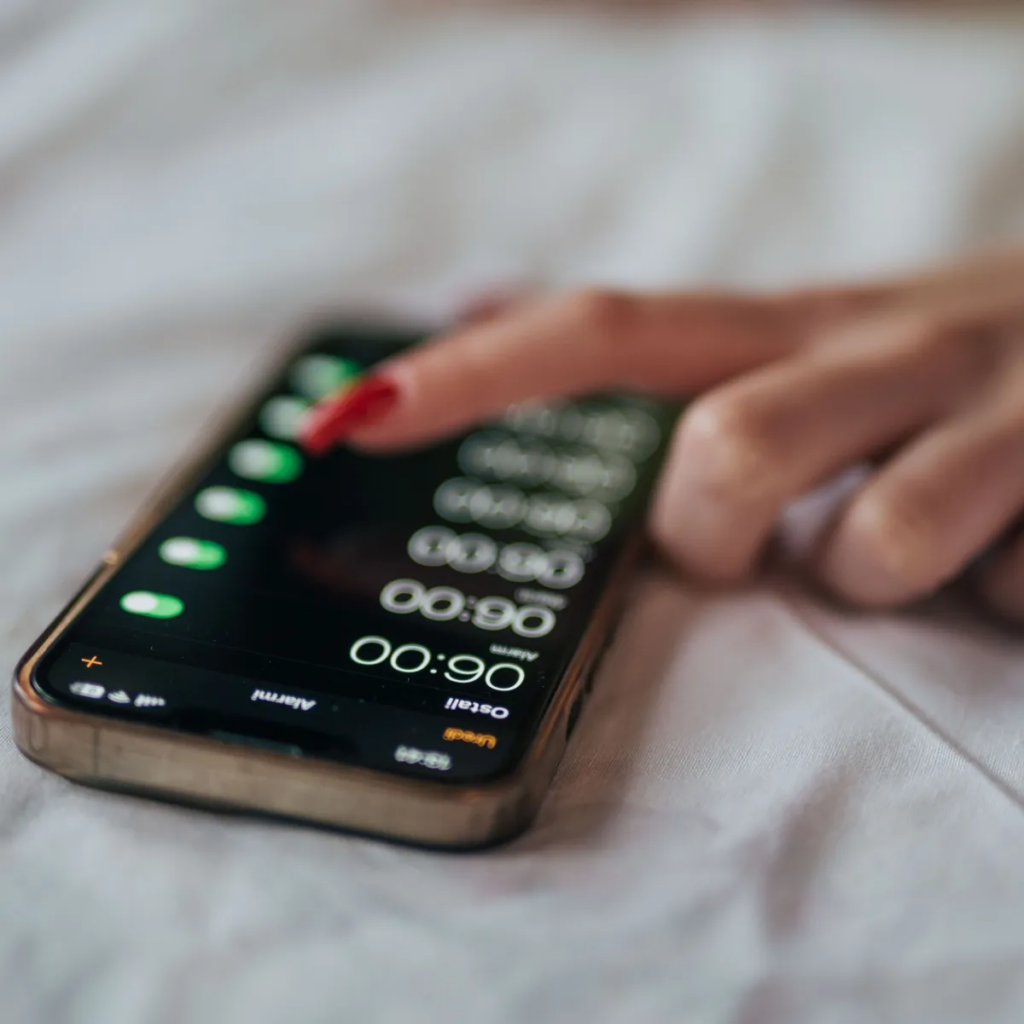
The impact of consistently waking up on time extends far beyond simply avoiding tardiness. Smart alarm applications facilitate a fundamental shift in how you start each day, creating momentum that influences your entire daily experience.
Reliable wake-ups reduce morning stress and anxiety, replacing the panic of oversleeping with calm confidence. This emotional state sets a positive tone that persists throughout the day, improving mood, decision-making, and interpersonal interactions.
Punctuality strengthens professional reputation and creates opportunities. Whether for work, school, or personal commitments, consistently arriving on time demonstrates reliability and respect for others’ time, qualities that colleagues, supervisors, and friends deeply value.
Perhaps most importantly, mastering your morning routine through smart alarm technology builds self-efficacy—the belief in your ability to accomplish goals through sustained effort. This confidence naturally extends to other areas of life, creating a positive cycle of achievement and personal growth.
Smart alarm clock applications represent far more than simple wake-up tools. They’re comprehensive systems designed to address the psychological, physiological, and behavioral aspects of morning routines. By engaging your mind, requiring physical movement, and providing valuable sleep insights, these apps transform the challenge of waking up into an opportunity for daily success. Whether you’re a student, professional, parent, or anyone seeking to optimize their mornings, smart alarm technology offers personalized solutions that adapt to your unique needs and help you start each day with purpose and energy.
