
Anúncios
Nomadic cultures worldwide are finding innovative ways to celebrate their heritage through festivals that blend movement with permanence, creating unique cultural experiences.
🌍 The Paradox of Mobility Meeting Permanence
The concept of nomadic anchor feasts represents a fascinating convergence of traditional wandering lifestyles with the modern need for stable gathering points. These festivals serve as cultural lighthouses, drawing nomadic communities back to specific locations while honoring their ancestral patterns of movement. Unlike typical cultural festivals that simply showcase traditions, nomadic anchor feasts create living experiences where participants can engage with mobile cultures in authentic, immersive ways.
Anúncios
Throughout history, nomadic peoples have developed sophisticated systems for maintaining cultural cohesion despite constant movement. From the Mongolian Naadam Festival to the Tuareg gatherings in the Sahara, these events have always served as crucial touchpoints for communities spread across vast territories. Today’s nomadic anchor feasts build upon these traditions while incorporating contemporary elements that make them accessible to both traditional participants and curious travelers seeking authentic cultural adventures.
The beauty of these celebrations lies in their dual nature. They acknowledge the practical realities of modern life—the need for infrastructure, accessibility, and predictability—while preserving the essence of nomadic culture: freedom, adaptability, and deep connection to natural cycles. This delicate balance creates events that feel both timeless and remarkably relevant to contemporary discussions about sustainability, community, and cultural preservation.
Anúncios
📍 Geographical Anchors in a Mobile World
Selecting the right location for a nomadic anchor feast involves complex considerations that go beyond simple logistics. These sites must hold cultural significance while providing practical amenities for large gatherings. Many successful festivals choose locations along traditional migration routes, ensuring the venue itself tells part of the nomadic story.
The Saharan oases have long served as natural gathering points for Tuareg communities, and modern festivals in these locations leverage this historical significance. Similarly, the steppes of Mongolia host festivals at sites that have witnessed countless generations of nomadic celebrations. These geographical choices aren’t arbitrary—they’re deeply rooted in the collective memory and spiritual geography of nomadic peoples.
Environmental considerations also play a crucial role. Nomadic cultures traditionally maintained harmonious relationships with their environments, moving to allow lands to regenerate. Fixed-location festivals must incorporate these sustainability principles, implementing leave-no-trace practices and environmental stewardship programs. Many anchor feasts now include educational components about traditional ecological knowledge, teaching visitors how nomadic peoples have maintained sustainable relationships with challenging environments for millennia.
Seasonal Timing and Natural Cycles
The timing of nomadic anchor feasts typically aligns with significant seasonal transitions. Spring gatherings celebrate renewal and the beginning of migration seasons, while autumn festivals mark harvest times and preparation for winter months. This synchronization with natural cycles reinforces the deep connection between nomadic cultures and their environments, offering participants a visceral understanding of how these communities have adapted to nature’s rhythms.
Summer festivals often coincide with periods when weather permits easier travel to remote locations, maximizing participation. Winter celebrations, though less common due to harsh conditions in many nomadic territories, offer intimate experiences that showcase survival skills and winter traditions. Each seasonal choice brings different aspects of nomadic culture into focus, creating varied experiences throughout the year.
🎪 Festival Architecture: Building Temporary Cities
The physical infrastructure of nomadic anchor feasts presents unique challenges and opportunities. Traditional dwellings—yurts, tents, tipis, and other mobile structures—form the backbone of festival architecture, creating temporary cities that embody nomadic principles while accommodating thousands of visitors. These structures aren’t merely aesthetic choices; they’re functional demonstrations of nomadic ingenuity and adaptability.
Festival organizers often work with community elders and craftspeople to ensure authentic construction methods are followed. This attention to detail transforms the festival grounds into living museums where every structure teaches something about nomadic life. Visitors might sleep in traditional yurts, eat in communal tents modeled after historical designs, or attend workshops in structures that can be assembled and disassembled within hours.
Modern amenities must be integrated carefully to avoid disrupting the cultural atmosphere. Successful festivals achieve this balance by using renewable energy sources, water conservation systems, and waste management approaches that align with nomadic sustainability values. Solar panels might power lighting systems, while composting toilets and greywater recycling demonstrate how traditional and contemporary ecological practices can work together.
Crafting Immersive Environments
Beyond functional structures, festival designers create immersive environments that transport visitors into nomadic worlds. Pathways follow patterns inspired by traditional migration routes, signage incorporates nomadic symbols and languages, and soundscapes feature authentic music and natural sounds from nomadic territories. These details accumulate to create experiences that engage all senses, fostering deeper understanding and appreciation.
Lighting design often follows natural patterns, with minimal artificial illumination allowing stars to dominate night skies as they do in nomadic settings. Fire pits serve as gathering points, recreating the central role of fire in nomadic communities. These environmental choices aren’t simply atmospheric—they’re educational tools that help visitors understand the realities and rhythms of nomadic life.
🎭 Cultural Programming: Living Traditions on Display
The heart of any nomadic anchor feast lies in its cultural programming. These events showcase traditional music, dance, crafts, sports, and storytelling, but with crucial differences from typical cultural festivals. Rather than staged performances for passive audiences, nomadic anchor feasts emphasize participation and skill-sharing, inviting visitors to engage directly with cultural practices.
Music sessions might begin with demonstrations by master musicians, then evolve into collaborative jam sessions where visitors learn traditional instruments and songs. Dance workshops teach not just movements but the stories and purposes behind them—whether celebrating successful hunts, honoring ancestors, or marking life transitions. This participatory approach transforms spectators into active learners, creating deeper connections and understanding.
Traditional sports and games feature prominently in many festivals. Mongolian festivals showcase wrestling, horse racing, and archery competitions that have tested nomadic skills for centuries. Sami gatherings might include reindeer racing and lasso competitions. These athletic events aren’t merely entertainment—they’re living traditions that preserve skills essential to nomadic lifestyles while adapting to contemporary contexts.
Storytelling Circles and Oral Traditions
Nomadic cultures have maintained rich oral traditions for millennia, and anchor feasts provide crucial platforms for these storytelling practices. Evening gatherings around fires recreate traditional settings where elders share histories, legends, and wisdom. Modern technology sometimes enhances these sessions, with translations and projections making stories accessible to diverse audiences while preserving the intimate, oral nature of the tradition.
Many festivals include storytelling workshops where participants learn narrative techniques specific to nomadic cultures. These might involve call-and-response patterns, musical accompaniment, or gestural languages that enhance verbal stories. By teaching these techniques, festivals ensure traditions continue while inspiring new generations of storytellers who can adapt traditional forms to contemporary themes.
🍽️ Culinary Journeys Through Nomadic Cuisines
Food experiences at nomadic anchor feasts offer windows into survival strategies, cultural values, and adaptation techniques developed over generations. Traditional nomadic cuisines reflect available resources, preservation methods necessary for mobile lifestyles, and nutritional needs of people living active, outdoor lives. Festival menus showcase these dishes while explaining their cultural contexts and preparation methods.
Dairy products feature prominently in many nomadic cuisines—fermented mare’s milk in Mongolian traditions, camel milk products among Arabian Bedouins, yak butter tea in Tibetan nomadic culture. These aren’t just foods; they’re examples of how nomadic peoples maximized nutrition from herding animals while creating portable, preserved products suitable for constant travel. Cooking demonstrations often accompany meals, teaching preservation techniques like drying, fermenting, and smoking that enabled nomadic survival.
Communal dining arrangements mirror traditional nomadic hospitality practices. Guests might eat from shared platters, seated on ground-level cushions in traditional tents, experiencing the social dimensions of nomadic meals. Many festivals emphasize the hospitality codes central to nomadic cultures, where welcoming strangers and sharing meals aren’t merely polite gestures but sacred obligations that helped ensure survival in harsh environments.
Sustainable Food Systems and Traditional Knowledge
Modern nomadic anchor feasts increasingly highlight sustainable aspects of traditional food systems. Workshop sessions might explore how nomadic herding practices maintained grassland health, how seasonal movement patterns prevented overgrazing, or how waste-free food processing maximized every part of hunted or herded animals. These lessons offer valuable perspectives for contemporary discussions about sustainable agriculture and ethical food production.
Foraging walks led by knowledgeable guides teach identification and sustainable harvesting of wild plants that supplemented nomadic diets. Participants learn which plants provide nutrition, medicine, or materials for crafts, gaining appreciation for the encyclopedic ecological knowledge nomadic peoples developed through close observation of their environments across seasons and years.
🏇 Adventure Tourism Meets Cultural Preservation
Nomadic anchor feasts increasingly incorporate adventure tourism elements that allow participants to experience aspects of nomadic lifestyles firsthand. Multi-day treks following traditional migration routes, horseback expeditions across steppes, camel safaris through deserts, or reindeer sledding in Arctic regions offer immersive experiences that go beyond passive observation.
These adventure components serve multiple purposes. They generate economic opportunities for nomadic communities, create memorable experiences that foster lasting interest in nomadic cultures, and teach practical skills that deepen understanding of nomadic lifestyles. Participants who’ve struggled to set up a yurt in strong winds or navigated by stars across unfamiliar terrain gain visceral appreciation for nomadic ingenuity and resilience.
Responsible tourism practices are essential for these adventure elements. Festivals work with community leaders to ensure activities respect sacred sites, minimize environmental impact, and benefit local people economically. Many programs employ community members as guides, creating income streams that support traditional lifestyles while sharing cultural knowledge with outsiders.
Skill-Building Workshops and Hands-On Learning
Practical workshops form crucial festival components, teaching skills central to nomadic lifestyles. Visitors might learn to felt wool, craft leather goods, navigate by celestial markers, identify animal tracks, or prepare traditional foods. These aren’t simplified tourist activities—they’re authentic skill-sharing sessions led by practitioners who use these techniques in daily life.
Animal husbandry workshops provide insights into relationships between nomadic peoples and their herds. Participants might learn milking techniques, animal health assessment, or training methods for horses and camels. These sessions reveal the deep knowledge and observation skills required for successful herding, challenging romanticized notions of nomadic life while building genuine respect for these traditions.
🌟 Technology’s Role in Preserving and Sharing Mobile Cultures
Modern technology plays an increasingly important role in nomadic anchor feasts, both in festival operations and cultural preservation efforts. Digital documentation projects archive traditional songs, stories, crafts, and languages, creating resources that support cultural continuity even as external pressures threaten nomadic lifestyles. Festival attendees might participate in these documentation efforts, recording elders’ stories or photographing traditional techniques.
Social media and digital marketing help festivals reach global audiences, attracting visitors who bring economic resources and international attention to nomadic cultures. Live streaming of festival events extends participation beyond physical attendees, allowing diaspora community members and curious learners worldwide to engage with cultural programming. This digital presence helps counter cultural erasure while building support networks that extend beyond festival dates.
Virtual reality experiences at some festivals allow participants to experience nomadic environments they couldn’t otherwise access—high-altitude Tibetan plateaus, remote Arctic tundras, or vast Saharan expanses. While these can never replace authentic experiences, they provide accessible introductions that might inspire deeper engagement while offering perspectives on the dramatic landscapes that shaped nomadic cultures.
💫 Economic Impacts and Community Benefits
Well-managed nomadic anchor feasts generate significant economic benefits for participating communities. Tourism revenue from accommodation, food, crafts, and program fees provides income that can support traditional lifestyles increasingly challenged by economic pressures. Many nomadic peoples face pressures to abandon mobile lifestyles for settled existence; festival income can make traditional practices economically viable.
Craft markets at festivals create direct sales opportunities for artisans, with many festivals ensuring fair pricing and direct artist compensation. Traditional textiles, jewelry, leather goods, and other handcrafts find eager markets among festival attendees, generating income that flows directly to producers. Some festivals establish year-round online marketplaces, extending these economic benefits beyond festival dates.
Employment opportunities extend beyond artisan sales. Community members work as guides, instructors, performers, hospitality providers, and festival staff, developing skills and income streams while sharing their cultures. Many festivals prioritize hiring from local communities, ensuring economic benefits remain within the populations being celebrated rather than flowing to external operators.
Challenges and Ethical Considerations
Managing nomadic anchor feasts involves navigating complex ethical considerations. How can festivals showcase living cultures without reducing them to entertainment? How can economic benefits be distributed equitably? How can traditional practices be shared without exploitation or appropriation? Successful festivals address these questions through extensive community consultation, transparent governance structures, and ongoing evaluation processes.
Cultural appropriation concerns require careful attention. Festivals must distinguish between respectful sharing and superficial borrowing, ensuring visitors understand cultural contexts and significance rather than simply collecting exotic experiences. Many festivals include educational components about appropriation, teaching visitors how to appreciate without appropriating, and how to support rather than exploit cultural traditions.
🔮 Future Horizons for Nomadic Anchor Feasts
The future of nomadic anchor feasts looks promising as global interest in authentic cultural experiences and sustainable lifestyles grows. Climate change and environmental degradation make traditional nomadic knowledge about living sustainably in challenging environments increasingly relevant. These festivals offer platforms for sharing this wisdom with wider audiences who might apply lessons to contemporary challenges.
Younger generations from nomadic communities are finding innovative ways to blend tradition with modernity, creating contemporary expressions of nomadic identity. Festivals increasingly feature these hybrid cultural forms—traditional music with electronic elements, modern fashion incorporating nomadic textiles, or contemporary art exploring nomadic themes. These innovations ensure cultures remain living and evolving rather than fossilized as museum pieces.
Collaboration between different nomadic cultures creates opportunities for intercultural exchange and solidarity. Pan-nomadic festivals bringing together Mongolian, Bedouin, Sami, and Indigenous North American communities create platforms for sharing strategies, building alliances, and celebrating common values of mobility, environmental stewardship, and community resilience. These connections strengthen movements advocating for nomadic rights and cultural preservation globally.
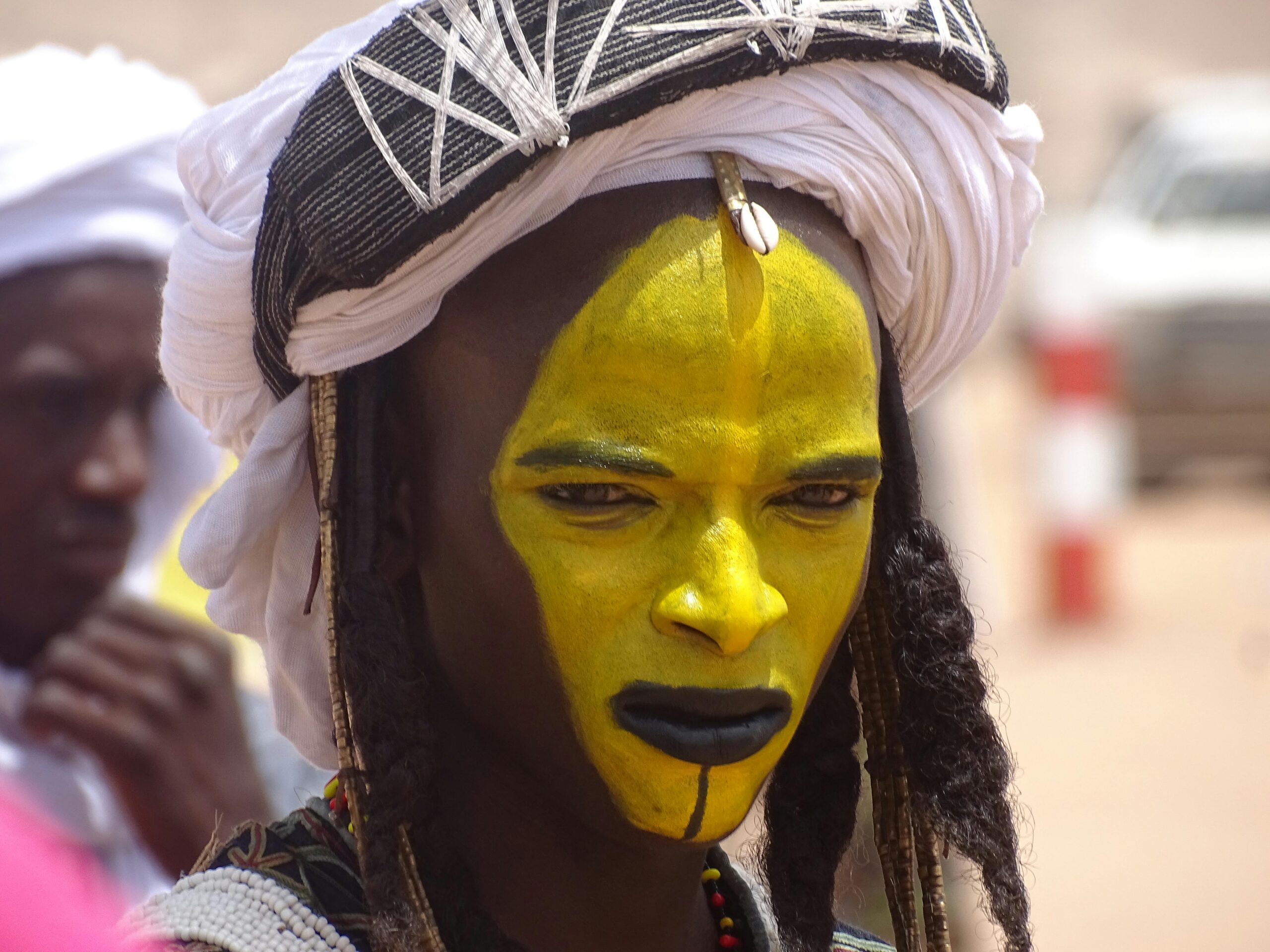
🌈 Celebrating Movement While Creating Gathering Places
Nomadic anchor feasts represent a beautiful paradox—celebrations of movement held in fixed locations, traditions of wandering creating stable gathering points. This apparent contradiction actually reflects deep wisdom about balance between flexibility and consistency, between individual freedom and community connection, between honoring the past and adapting to the present.
These festivals succeed because they don’t force choices between tradition and change, between mobile and settled, between preservation and evolution. Instead, they create spaces where these apparent opposites can coexist and inform each other. Visitors leave with expanded understanding not just of nomadic cultures but of how to balance competing values in their own lives—how to stay rooted while remaining open to new directions, how to honor traditions while embracing change.
The power of nomadic anchor feasts extends beyond cultural preservation. They model approaches to community, sustainability, and cultural identity that offer valuable lessons for an increasingly mobile global society. As digital technologies enable unprecedented mobility and climate change forces populations to adapt and migrate, the wisdom preserved in nomadic traditions becomes increasingly relevant. These festivals ensure this wisdom remains accessible, celebrated, and alive for generations to come.
By attending, supporting, or learning from nomadic anchor feasts, we participate in something larger than tourism or entertainment. We help preserve irreplaceable cultural knowledge, support communities maintaining valuable traditions, and expand our own understanding of what it means to live in harmony with environments and communities. These festivals remind us that some of humanity’s oldest lifestyles may offer crucial insights for navigating our shared future.
