
Anúncios
Throughout history, food has served as humanity’s most powerful diplomatic tool, creating sacred spaces where even sworn enemies can gather without violence.
In countless cultures across the globe, the act of sharing a meal transcends ordinary sustenance to become a profound ritual of connection, reconciliation, and peace-building. Unity feasts and intertribal neutrality meals represent some of humanity’s oldest conflict resolution mechanisms, predating written law and formal diplomacy by millennia. These gatherings establish temporary zones where hostilities are suspended, grievances are set aside, and human connection takes precedence over tribal divisions.
Anúncios
The practice of breaking bread together as a pathway to peace remains remarkably relevant today, offering insights into conflict resolution that modern society desperately needs. From Native American peace councils to African palaver traditions, from Middle Eastern hospitality customs to Pacific Islander reconciliation ceremonies, the transformative power of shared meals continues to bridge divides that seem otherwise insurmountable.
🕊️ The Sacred Anthropology of Shared Meals
The concept of food as a peace-building mechanism is deeply rooted in human psychology and cultural evolution. When individuals from opposing groups share a meal, they engage in an act that fundamentally contradicts the logic of conflict. Eating together requires vulnerability—you must turn your attention to the food, lowering defensive postures that characterize hostile encounters.
Anúncios
Anthropologists have documented this phenomenon across virtually every human culture. The very act of preparing and consuming food together activates social bonding mechanisms that evolved over hundreds of thousands of years. Our ancestors learned that those who share food are less likely to pose immediate threats, creating neurological associations between communal eating and safety that persist in our modern brains.
Unity feasts operate on multiple levels simultaneously. They satisfy basic physical needs while addressing emotional and spiritual dimensions of human connection. The sensory experience of shared food—its aromas, flavors, and textures—creates common ground that transcends language barriers and ideological differences. When former enemies discover they enjoy the same dishes or appreciate similar culinary traditions, artificial divisions begin to crumble.
The Neuroscience Behind Breaking Bread Together
Modern neuroscience has confirmed what traditional cultures always knew intuitively: eating together literally changes brain chemistry in ways that promote social bonding. The release of oxytocin during communal meals reduces stress hormones and increases feelings of trust and connection. This biochemical response helps explain why unity feasts can create temporary peace even among groups with deep-seated animosities.
The ritual aspects of these meals further enhance their peacemaking potential. Structured ceremonies, specific foods with symbolic meanings, and deliberate gestures of hospitality all contribute to creating psychological safety. Participants understand they are entering a special space governed by different rules than ordinary life, where normal hostilities are temporarily suspended.
🌍 Indigenous Wisdom: Neutrality Meals Across Cultures
Native American tribes developed sophisticated traditions of peace feasts that served as crucial diplomatic tools. The Haudenosaunee (Iroquois Confederacy) perfected condolence ceremonies that included elaborate meals designed to “clear the minds” of grieving parties and restore balance between nations. These weren’t casual gatherings but carefully choreographed events with specific protocols governing who could speak, when, and what symbolic foods must be served.
The practice of “passing the peace pipe” often accompanied these meals, with tobacco serving as a sacred mediator. The combination of ritualized smoking and shared food created a ceremonial framework strong enough to prevent violence even during tense negotiations. Breaking this peace would not only dishonor human relationships but offend spiritual forces, adding supernatural enforcement to social protocols.
African Traditions of Palaver and Reconciliation
Across the African continent, communal meals have long served as settings for conflict resolution. The West African concept of “palaver”—extended deliberations conducted in the context of hospitality—typically centers around shared food and drink. Elders orchestrate these gatherings with meticulous attention to seating arrangements, food distribution, and speaking order, ensuring all parties feel respected and heard.
In many African cultures, refusing to eat with someone signals ongoing hostility, while accepting food indicates willingness to negotiate. The mere act of sitting down together represents a first step toward reconciliation. Palm wine, kola nuts, and other culturally significant foods carry symbolic weight beyond their nutritional value, representing life, continuity, and the sweetness of peace.
The Maasai people of East Africa practice elaborate meat-sharing ceremonies that reinforce social bonds and resolve disputes. The careful division of an animal according to age, status, and relationship creates a tangible representation of social order and mutual obligation. Even during periods of tension, these food-sharing protocols continue, maintaining social fabric when other connections fray.
🍞 The Middle Eastern Table as Neutral Ground
Middle Eastern hospitality traditions elevate the shared meal to an almost sacred status. The Arabic concept of “diyafa” (hospitality) creates powerful obligations between host and guest that can override even blood feuds. Once someone has eaten your salt and broken bread at your table, they enter a protected status that traditional honor codes defend fiercely.
Bedouin traditions exemplify this principle with remarkable clarity. A traveler who enters a tent and partakes of even minimal refreshment becomes entitled to three days of protection, regardless of prior enmities. This custom created networks of safety across dangerous territories, allowing commerce and communication to continue even during periods of conflict.
The Palestinian-Israeli conflict has seen numerous grassroots peace initiatives centered around shared meals. Organizations bring together families from both communities to cook and eat together, discovering common culinary heritage and shared human experiences. While these meals cannot resolve political disputes, they create personal connections that humanize “the other” and challenge dehumanizing narratives.
Breaking Fast Together: Ramadan Iftar Diplomacy
The Islamic practice of iftar—the meal breaking the daily Ramadan fast—has emerged as a powerful diplomatic tool. Leaders worldwide host iftar dinners to build bridges with Muslim communities and between Muslim-majority nations. The spiritual significance of this meal, combined with the vulnerability of shared hunger and relief, creates unique opportunities for connection.
These iftar diplomacy events range from informal neighborhood gatherings to state dinners. Regardless of scale, they tap into the same fundamental dynamic: people who eat together see each other as fellow humans rather than abstract enemies. The timing—at sunset after a day of fasting—adds emotional intensity that formal diplomatic meetings rarely achieve.
🌺 Pacific Islander Reconciliation Ceremonies
Polynesian and Melanesian cultures have developed elaborate reconciliation ceremonies centered around food preparation and exchange. The Hawaiian tradition of ho’oponopono includes communal meals as part of extended family conflict resolution processes. Food symbolizes the restoration of proper relationships and the sweetness of harmony after the bitterness of discord.
In Fiji, the i soro ceremony involves presenting and sharing yaqona (kava) and food to seek forgiveness for serious offenses. The ritual’s power derives partly from its public nature and partly from the vulnerability of the offending party, who must approach those they’ve wronged and consume their food. This act symbolically places the wrongdoer in the hands of those they’ve harmed, trusting in their mercy.
These Pacific traditions recognize that reconciliation is a process, not a moment. The extended nature of these ceremonies—sometimes lasting days—allows emotions to settle and new relationship patterns to emerge. Food provides continuity throughout, marking transitions between ceremonial phases and creating rhythm in emotional terrain.
📊 Modern Applications: Unity Feasts in Contemporary Conflict Resolution
Contemporary peacebuilding organizations have rediscovered the power of shared meals, incorporating unity feasts into formal conflict resolution programs. Research consistently shows that informal meal-sharing activities generate trust and empathy more effectively than structured negotiation sessions alone.
Consider these documented outcomes from various unity feast initiatives:
- Increased empathy: Participants report 67% higher empathy scores for opposing groups after shared meal experiences
- Improved communication: Informal meal settings facilitate more honest dialogue than formal meeting rooms
- Lasting connections: Relationships formed over food prove more durable than those from other intervention types
- Ripple effects: Participants share positive experiences with their communities, spreading goodwill beyond direct attendees
- Reduced prejudice: Exposure to opposing groups’ food cultures challenges stereotypes and humanizes differences
Corporate and Community Applications
Beyond traditional conflict zones, unity feast principles are being applied in corporate diversity initiatives, neighborhood integration programs, and interfaith dialogue projects. Companies host “lunch and learn” sessions where employees from different departments or backgrounds share traditional foods while discussing their experiences and perspectives.
Community organizers use potluck dinners as entry points for difficult conversations about race, immigration, and social tensions. The act of appreciating someone’s cooking creates positive associations that make challenging discussions more productive. Food becomes both literal and metaphorical common ground—something tangible to share while exploring abstract differences.
Schools increasingly incorporate multicultural food events into anti-bullying and inclusion programs. When students prepare and share foods from their heritage, they transform from abstract “others” into real individuals with families, traditions, and stories. Classmates who might otherwise remain strangers become connected through sensory memories of shared meals.
🔍 The Psychology of Temporary Peace Zones
Unity feasts create what psychologists call “liminal spaces”—threshold zones where normal social rules are suspended and transformation becomes possible. The deliberate framing of these meals as special events separates them from ordinary life, granting permission to behave differently than participants might in their regular communities.
This psychological framework explains why enemies can sit together peacefully during a unity feast yet return to conflict afterward. The feast isn’t necessarily meant to resolve all disputes permanently but to demonstrate that peaceful coexistence is possible, planting seeds that may flower later. The temporary nature of these peace zones makes them psychologically safe—participants can explore connection without committing to immediate, comprehensive reconciliation.
The concept of “contact hypothesis” in social psychology supports these practices. Under the right conditions—equal status, common goals, cooperation, and institutional support—contact between hostile groups reduces prejudice. Unity feasts naturally create many of these conditions: everyone is equally a guest or equally a host, the common goal is sharing a meal, cooperation is required in meal logistics, and the ceremonial framing provides institutional support.
🌟 Creating Effective Unity Feasts: Practical Considerations
Not all shared meals generate peace and connection. Effective unity feasts require thoughtful design that respects cultural sensitivities while creating genuine opportunities for interaction. Successful organizers attend to numerous details that might seem minor but profoundly impact outcomes.
Food selection matters enormously. Choosing dishes that all parties can eat (accounting for dietary restrictions, allergies, and religious requirements) signals respect and inclusion. Incorporating foods from each group’s tradition validates their identity while exposing others to new experiences. The best menus balance familiarity and novelty, comfort and adventure.
Spatial arrangement influences interaction patterns. Round tables encourage conversation better than rectangular ones. Family-style serving, where dishes are passed and shared, creates more interaction than plated meals. The physical environment should feel safe to all participants—neutral territory rather than one group’s exclusive space.
Essential Elements for Successful Unity Feasts
- Intentionality: Clearly communicate the peace-building purpose while keeping the atmosphere relaxed
- Inclusivity: Ensure all dietary needs are met and cultural preferences respected
- Reciprocity: Structure meals so all groups contribute and receive equally
- Facilitation: Skilled moderators can guide conversations without forcing them
- Storytelling: Create opportunities for participants to share food-related memories and traditions
- Follow-up: Plan subsequent gatherings to build on initial connections
Timing also influences success. Meals should be long enough for meaningful interaction but not so extended that discomfort builds. Two to three hours typically allows for eating, conversation, and relationship formation without exhausting participants. Evening meals often work better than lunch, as people are more relaxed after work obligations end.
🌈 The Future of Food-Based Peacebuilding
As global polarization intensifies, the ancient wisdom of unity feasts offers practical, scalable approaches to building connection across divides. Unlike complex diplomatic processes requiring professional mediators and formal structures, shared meals are accessible to ordinary people in ordinary communities.
Grassroots organizations worldwide are scaling these practices, creating networks of “peace tables” where neighbors from different backgrounds gather regularly. Social media amplifies impact, with participants sharing their experiences and inspiring others to host similar gatherings. What begins as a single meal can catalyze broader community transformation.
Technology also enables virtual unity feasts, where geographically separated groups cook the same recipes simultaneously and share meals via video conference. While lacking the full sensory richness of in-person gatherings, these virtual events maintain core principles of shared experience and vulnerable connection. They prove particularly valuable for maintaining relationships between dispersed diaspora communities and their homelands.
Educational institutions are incorporating food-based peacebuilding into curriculum, teaching students both the theoretical foundations and practical skills for hosting unity feasts. This prepares future generations to use these tools in their own communities, creating ripple effects that could reshape social dynamics over time.
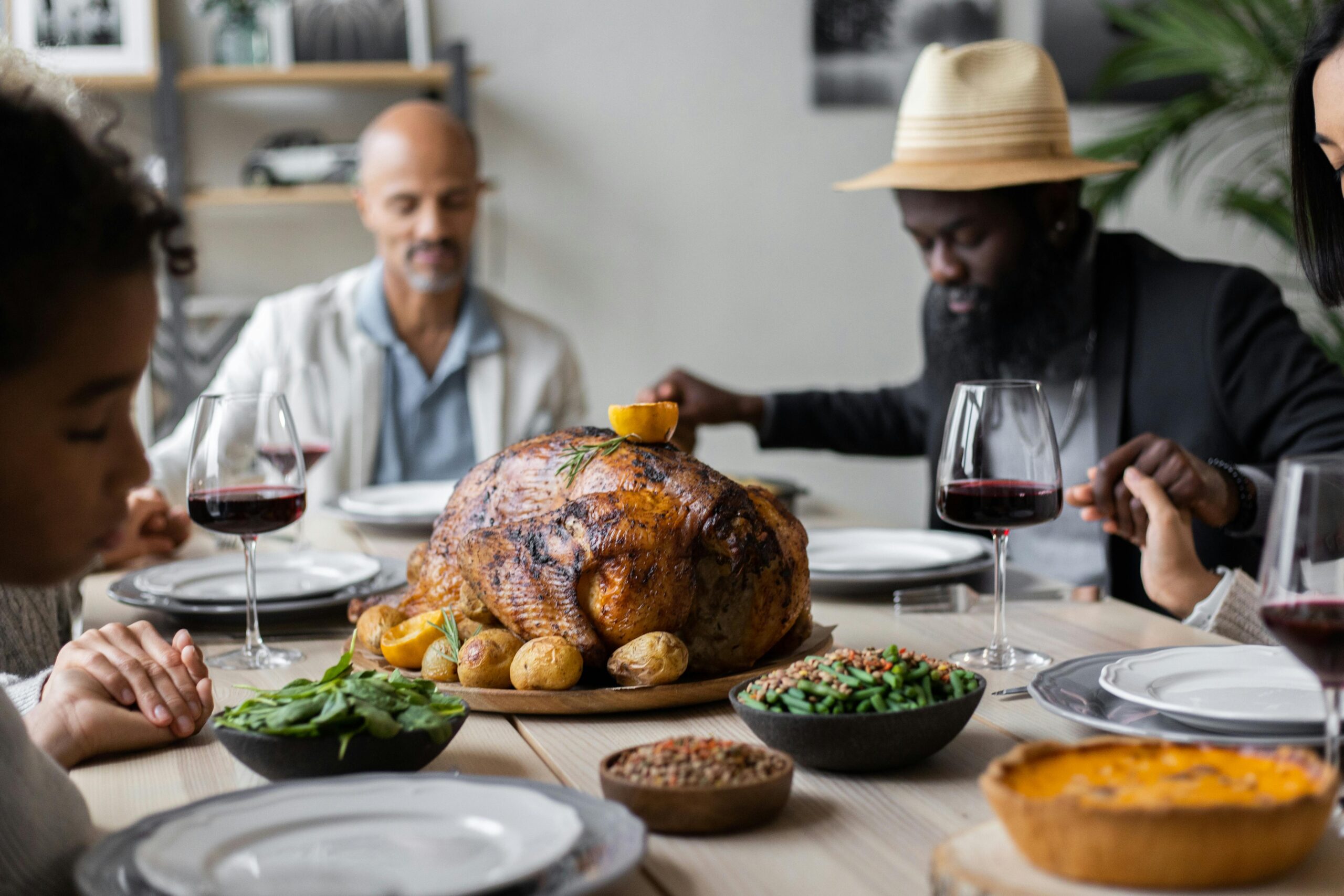
💫 The Enduring Power of Shared Sustenance
The remarkable consistency of unity feast traditions across cultures and millennia testifies to something profound about human nature. When we eat together, we activate ancient circuitry that recognizes shared vulnerability, mutual dependence, and common humanity. These moments don’t erase real conflicts or magically resolve legitimate grievances, but they prove that peace is possible, connection is achievable, and our common ground exceeds our differences.
In a world increasingly characterized by polarization, dehumanization, and conflict, the humble act of sharing a meal offers radical hope. It demonstrates that even temporary zones of peace and connection matter. They remind us of our shared humanity, create positive memories that challenge negative narratives, and build relationships that may eventually support more comprehensive reconciliation.
The lesson from millennia of unity feasts is clear: we cannot eat together and remain complete strangers. Food breaks down barriers that rhetoric reinforces. The flavors we share become memories we carry, connecting us across time and difference. Every unity feast, no matter how modest, plants seeds of peace in human hearts—seeds that may take years to fully flower but possess remarkable power nonetheless. 🌱
