
Anúncios
Throughout history, the roasting of whole animals has served as a powerful demonstration of wealth, social standing, and communal celebration across diverse cultures worldwide.
🔥 The Ancient Origins of Whole-Animal Feasting
The practice of roasting entire animals for ceremonial purposes dates back thousands of years, with archaeological evidence suggesting its prevalence in ancient civilizations across Mesopotamia, Egypt, Greece, and Rome. These elaborate culinary displays were never merely about sustenance—they represented a carefully orchestrated performance of power, generosity, and social hierarchy.
Anúncios
In ancient Mesopotamia, whole oxen were roasted during religious festivals honoring various deities. The ability to sacrifice and prepare such a large animal demonstrated not only material wealth but also divine favor. Temple records from Ur and Babylon detail the quantities of animals prepared for royal banquets, where thousands of guests would gather to witness and partake in these prestigious events.
The ancient Greeks perfected the art of the hecatomb, a public sacrifice and feast involving one hundred cattle. While the actual number often varied, these massive gatherings served political purposes as much as religious ones. Leaders who could sponsor such events solidified their position within the community and gained valuable political capital.
Anúncios
Roman Extravagance and Public Spectacle
Roman emperors elevated whole-animal roasting to unprecedented levels of theatrical presentation. Historical accounts describe feasts where dozens of animals—boars, deer, peacocks, and even exotic creatures—were roasted simultaneously. These events were carefully staged to impress foreign dignitaries, reward loyal supporters, and remind the populace of imperial magnificence.
The logistics alone demonstrated organizational prowess. Coordinating the slaughter, preparation, and cooking of multiple large animals required extensive planning, skilled labor, and sophisticated infrastructure. The Forum and various imperial gardens featured purpose-built facilities for these grand culinary productions.
🏰 Medieval Banquets and Feudal Power Dynamics
During the medieval period, the whole-roasted animal became central to the pageantry of feudal courts. Kings, nobles, and wealthy landowners used these elaborate feasts to cement alliances, celebrate military victories, and display their dominance over territories and subjects.
The medieval feast was a carefully choreographed affair. The presentation of a whole roasted peacock, boar, or swan—often re-clothed in its own plumage or skin—served as the centerpiece of elaborate courses. These displays required exceptional culinary skill and represented hours of meticulous preparation by teams of kitchen staff.
In England, the tradition of roasting whole oxen during coronations and major celebrations became institutionalized. These public roasts allowed commoners to witness and sometimes participate in royal celebrations, creating a bond between ruler and ruled while simultaneously reinforcing social hierarchies.
The Symbolism of Abundance and Generosity
Medieval feasts operated on the principle of conspicuous consumption and strategic generosity. A lord who could provide whole roasted animals to his guests and retainers demonstrated both wealth and magnanimity. This generosity was expected to be reciprocated through loyalty, military service, and political support.
The types of animals chosen also carried symbolic meaning. Boars represented courage and ferocity, swans signified grace and nobility, while deer symbolized the hunt and dominion over forest lands. The choice of animal communicated specific messages about the host’s character and claims to power.
🌍 Global Traditions of Whole-Animal Roasting
The practice of ceremonial whole-animal roasting transcends European traditions, appearing in remarkably diverse forms across global cultures, each with unique preparation methods and social significance.
Pacific Island Ceremonies
In Polynesian cultures, the preparation of whole pigs in underground earth ovens (imu in Hawaiian, umu in Samoan) represents one of the most enduring ceremonial traditions. These events mark significant life transitions, political gatherings, and religious celebrations. The slow-roasting process, which can take an entire day, becomes a communal activity that reinforces social bonds.
The expertise required to properly prepare an imu—selecting the right stones, maintaining proper temperature, timing the cooking precisely—represents specialized knowledge passed through generations. Those who master this technique gain respect and status within their communities.
Asian Celebratory Roasts
In China, whole roasted pigs feature prominently in wedding banquets, ancestor worship ceremonies, and major festivals. The preparation method, which produces distinctively crispy skin, requires specialized equipment and years of training. Restaurants and chefs known for exceptional whole-roasted pig command premium prices and attract clientele seeking to impress.
Filipino lechon represents another important tradition, with regional variations reflecting local tastes and techniques. The presentation of a perfectly roasted pig, with golden crackling skin and tender meat, serves as the highlight of fiestas, weddings, and major celebrations. Families compete to hire the most skilled lechonero, whose reputation can make or break an event’s prestige.
🎉 Modern Revival and Contemporary Celebrations
While industrial food production has made whole-animal roasts less common in daily life, they’ve experienced a renaissance as markers of special occasions and luxury experiences. Modern celebrations continue to use whole-animal roasts as powerful symbols of abundance, tradition, and social status.
High-End Events and Destination Weddings
Contemporary weddings at upscale venues often feature whole-roasted animals as centerpiece attractions. Event planners report increasing demand for spit-roasted pigs, lambs, and even whole beef displays at receptions. These installations serve multiple purposes: they provide impressive visual focal points, create shareable social media moments, and communicate the hosts’ willingness to invest in exceptional experiences.
Destination weddings in particular embrace traditional whole-animal roasts as ways to incorporate local culture while maintaining an air of exclusivity. A beach wedding in Hawaii with a traditional imu, or a Mediterranean celebration featuring whole roasted lamb, combines authenticity with luxury positioning.
Corporate Events and Brand Positioning
Corporations increasingly employ whole-animal roasts at company celebrations, client entertainment events, and product launches. These displays communicate success, stability, and a connection to tradition that resonates with audiences seeking authenticity in an increasingly digital world.
Technology companies, in particular, have embraced this juxtaposition—cutting-edge innovation celebrated with ancient cooking techniques. The contrast creates memorable experiences that distinguish one corporate event from countless others held in conventional venues with standard catering.
👨🍳 The Craft and Expertise Required
Successfully roasting a whole animal demands exceptional skill, specialized knowledge, and considerable experience. This expertise itself becomes a form of social capital, with renowned practitioners commanding significant fees and recognition.
Temperature Control and Timing
The physics of roasting a whole animal differs dramatically from conventional cooking. The thermal mass, varying thickness of different body parts, and need for consistent heat over extended periods require understanding that comes only through practice. Master roasters develop intuitive knowledge of how different factors—weather, animal size, fuel type—affect cooking outcomes.
Traditional methods often involve particular woods that impart specific flavors. The choice between oak, hickory, fruitwoods, or indigenous species becomes part of the roaster’s signature. This specialized knowledge parallels sommelier expertise in wine culture—technical skill elevated to an art form.
Presentation as Performance
The carving and serving of whole-roasted animals constitutes a performance that captures attention and creates memorable moments. Skilled carvers work with showmanship, their technique demonstrating mastery while building anticipation among guests. This theatrical element transforms a meal into an event, reinforcing the special nature of the occasion.
💰 Economic and Social Investment
The decision to feature a whole-roasted animal at an event represents significant financial and social investment, which contributes directly to its prestige value.
Direct Costs and Considerations
The expenses associated with whole-animal roasts extend beyond the purchase price of the animal itself. Specialized equipment rental or purchase, skilled labor, extended preparation time, and serving logistics all contribute to total costs that can range from hundreds to thousands of dollars depending on scale and quality.
| Animal Type | Typical Weight | Cooking Time | Serves | Approximate Cost Range |
|---|---|---|---|---|
| Whole Pig | 75-150 lbs | 6-10 hours | 75-150 people | $500-$2,000+ |
| Whole Lamb | 40-60 lbs | 4-6 hours | 40-60 people | $400-$1,200+ |
| Whole Goat | 35-50 lbs | 4-5 hours | 35-50 people | $350-$900+ |
| Whole Beef (quarters) | 150-200 lbs | 8-12 hours | 150-200 people | $1,500-$4,000+ |
Social Currency and Reputation
Beyond monetary costs, hosting events featuring whole-animal roasts requires social confidence and willingness to make bold statements. The host assumes responsibility not just for the meal but for creating an experience that meets or exceeds guest expectations. Success enhances reputation and social standing; failure becomes fodder for gossip and diminishes prestige.
This risk-reward dynamic mirrors traditional potlatch ceremonies and other gift-giving economies where public generosity establishes social hierarchy. Modern hosts navigate similar territory, using culinary spectacle as currency in networks of social obligation and reciprocity.
🌱 Ethical and Sustainability Considerations
Contemporary whole-animal roasting increasingly intersects with movements toward ethical consumption, nose-to-tail cooking, and sustainability. These considerations add new dimensions to the prestige equation, where ethical sourcing and environmental consciousness enhance rather than diminish status signaling.
Heritage Breeds and Artisanal Sourcing
Modern consumers, particularly those with significant disposable income, increasingly value heritage animal breeds, humane raising practices, and transparent supply chains. Featuring a heritage breed pig from a specific farm, raised on particular feed, slaughtered humanely, and prepared traditionally represents the ultimate luxury positioning—scarcity combined with ethical virtue.
This trend reflects broader patterns in luxury consumption where provenance, authenticity, and ethical production command premium pricing. The whole-roasted animal becomes not just a display of wealth but a statement about values, knowledge, and discriminating taste.
Waste Reduction and Whole-Animal Utilization
The nose-to-tail philosophy championed by influential chefs aligns naturally with whole-animal roasting traditions. Using every part of the animal—making stock from bones, rendering fat, utilizing organ meats—demonstrates both culinary sophistication and environmental responsibility. This comprehensive utilization adds intellectual and moral dimensions to the prestige calculus.
📱 Social Media and Digital Age Prestige
The rise of social media has transformed how whole-animal roasts function as prestige markers. Visual platforms like Instagram and Pinterest have amplified the importance of presentation, creating new pressures and opportunities for hosts and caterers.
Instagrammable Moments and Viral Potential
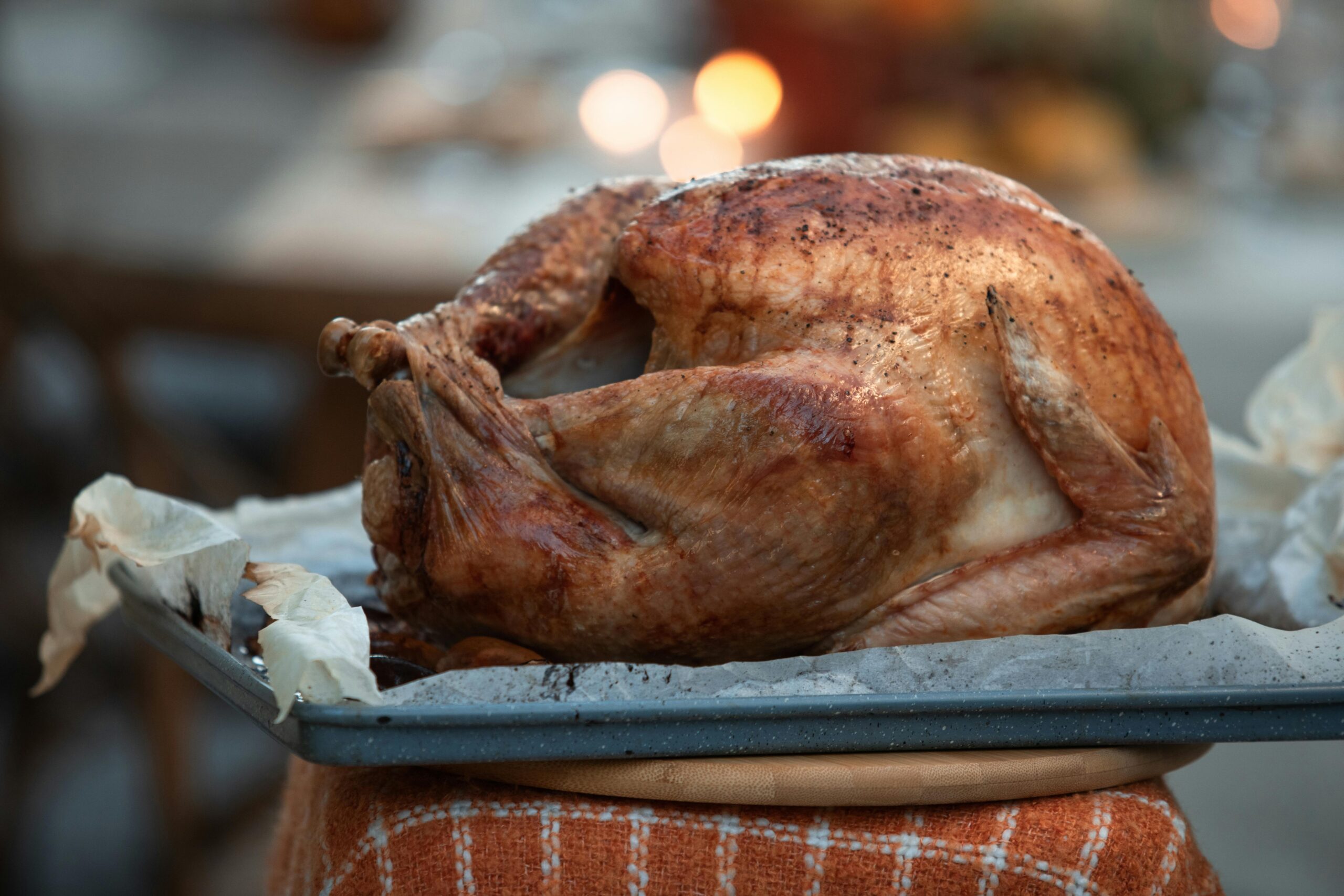
A beautifully presented whole-roasted animal offers exceptional visual appeal—the golden-brown skin, smoke rising from the spit, the carving ceremony—all create highly shareable content. Events featuring these centerpieces generate organic social media coverage that extends the prestige signal far beyond those physically present.
Savvy hosts and event planners stage these moments for maximum photographic impact, considering lighting, angles, and timing to ensure optimal documentation. The resulting images serve as lasting evidence of the event’s quality and the host’s sophistication, circulating through social networks and reinforcing status long after the event concludes.
🎊 The Future of Celebratory Whole-Animal Roasting
As culinary culture evolves, whole-animal roasting continues adapting while maintaining its core function as a prestige marker and communal focal point. Several trends suggest how this ancient practice will develop in coming years.
Technology Meets Tradition
Innovative cooking technologies—precision temperature control systems, hybrid smoking devices, advanced rotisserie mechanisms—allow for more consistent results while preserving traditional aesthetics. These tools democratize expertise to some degree, though truly exceptional execution still requires experience and judgment that technology cannot fully replicate.
The integration of technology itself becomes part of the prestige narrative, with hosts demonstrating both respect for tradition and embrace of innovation—a balance particularly valued in contemporary culture.
Experiential Luxury and Participatory Elements
Modern celebrations increasingly incorporate participatory elements, transforming guests from passive observers into active participants. Whole-animal roasts lend themselves to this approach—guests can observe the roasting process, learn about techniques, participate in preparation or carving, and engage with the tradition in meaningful ways.
This experiential dimension adds value beyond the meal itself, creating memorable interactions and educational moments that enhance the event’s overall impact and the host’s reputation for creating exceptional experiences.
🌟 Enduring Power of Ancient Traditions
The persistence of whole-animal roasting across millennia and cultures testifies to its fundamental effectiveness as a social technology. By combining practical necessity with symbolic power, these feasts satisfy multiple human needs simultaneously—nutrition, social bonding, status communication, and connection to tradition.
In our contemporary world of increasingly atomized experiences and digital interactions, the primal appeal of gathering around a whole-roasted animal retains remarkable potency. The sight, smells, sounds, and tastes engage all senses in ways that few modern experiences can match. This multisensory richness creates lasting memories and powerful emotional associations.
For hosts seeking to mark significant occasions—weddings, anniversaries, business milestones, cultural celebrations—the whole-roasted animal offers a time-tested method for creating impact. It signals investment, honors tradition, creates spectacle, and provides delicious sustenance, fulfilling the multiple functions that have made it valuable throughout human history.
As we move forward, the specific forms may evolve—different animals, new techniques, varied cultural interpretations—but the underlying dynamics remain constant. The ability to present abundance, demonstrate skill, gather community, and create memorable shared experiences will always hold value in human societies. The feast of prestige, centered around the whole-roasted animal, continues serving these essential functions as it has for thousands of years, adapting to each era while maintaining its fundamental power to impress, unite, and celebrate.
