
Anúncios
The world of charred grain drinks invites you to explore a captivating realm where smoke, ash, and meticulous crafting converge to create beverages with unparalleled depth and character.
🔥 The Ancient Art of Charring Grains for Beverages
For millennia, humans have discovered that exposing grains to controlled fire creates transformative flavors that elevate ordinary beverages into extraordinary experiences. This practice, rooted in necessity and refined through centuries of experimentation, has given birth to a diverse family of drinks that celebrate the complex interplay between heat, grain, and time.
Anúncios
The process of charring grains fundamentally alters their chemical composition. Starches caramelize, proteins undergo Maillard reactions, and cellulose breaks down into aromatic compounds that impart smoky, nutty, and sometimes even chocolatey notes to the final beverage. These changes create a sensory experience that transcends the original grain’s humble origins.
Traditional societies across continents developed their own approaches to charred grain beverages. Japanese barley tea (mugicha) showcases roasted barley’s refreshing qualities, while Korean sungnyung transforms scorched rice into a comforting drink. These cultural traditions demonstrate humanity’s universal appreciation for the transformative power of controlled burning.
Anúncios
Understanding the Chemistry Behind Charred Flavors
The magic of charred grain drinks lies in the complex chemical transformations that occur during the roasting process. When grains are exposed to high temperatures, hundreds of volatile compounds develop, each contributing distinct aromatic and flavor profiles to the finished beverage.
Pyrolysis, the thermal decomposition of organic materials, begins around 300°F (150°C) and intensifies as temperatures rise. This process releases compounds like guaiacol and syringol, which deliver those characteristic smoky notes that define charred grain beverages. The degree of char directly correlates with the intensity of these flavors, allowing brewers to fine-tune their products.
Amino acids and reducing sugars interact through the Maillard reaction, creating melanoidins—brown polymers responsible for the deep color and rich, complex flavors associated with roasted grains. This reaction also produces furans, pyrazines, and aldehydes that contribute biscuit-like, nutty, and toasted characteristics to the brew.
Temperature Profiles and Flavor Development
Different temperature ranges produce dramatically different results when charring grains. Light roasting (300-350°F) preserves more of the grain’s original character while introducing subtle toasted notes. Medium roasting (350-400°F) develops deeper caramel and nutty flavors, while high-temperature charring (400-450°F) creates bold, smoky profiles with hints of coffee and chocolate.
Master brewers understand that controlling the roasting environment—including oxygen levels, humidity, and heat distribution—is essential for achieving consistent results. Even slight variations can produce dramatically different flavor outcomes, making this craft as much art as science.
🌾 Ash Filtration: The Secret to Crystalline Clarity
While charring grains creates incredible flavors, it also introduces particulates and potentially harsh compounds that can muddy both appearance and taste. This is where ash filtration emerges as a sophisticated solution, transforming rustic brews into refined beverages worthy of discerning palates.
Ash filtration employs the porous structure of carbonized materials to trap impurities while allowing desirable flavor compounds to pass through. This technique, perfected over generations, provides both clarification and subtle flavor modification, smoothing rough edges while preserving the essential character of charred grain beverages.
The type of ash used significantly impacts filtration effectiveness and flavor contribution. Hardwood ashes from oak, maple, or birch contain different mineral compositions and pore structures compared to bamboo or rice hull ash. Each variety imparts subtle characteristics while performing its primary filtration function.
The Mechanics of Ash Filtration
At a microscopic level, activated ash creates an intricate network of pores and channels that provide enormous surface area for adsorption. This structure captures tannins, proteins, and other molecules that contribute to bitterness or cloudiness, while mineral ions in the ash can neutralize certain off-flavors.
The filtration process typically involves multiple stages. Initial coarse filtration removes larger particulates, followed by fine ash filtration that polishes the beverage to brilliant clarity. Some traditional methods incorporate slow drip filtration through ash beds, allowing extended contact time for maximum purification.
Modern interpretations of ash filtration sometimes combine traditional wisdom with contemporary technology. Activated charcoal filters derived from specific wood species offer precisely controlled pore sizes and adsorption characteristics, enabling brewers to target specific compounds for removal while preserving others.
Crafting Your Own Charred Grain Beverages at Home
Creating exceptional charred grain drinks doesn’t require industrial equipment or extensive training. With basic kitchen tools and attention to detail, home enthusiasts can produce beverages that rival commercial offerings while developing a deeper appreciation for this ancient craft.
Selecting and Preparing Grains
The foundation of any great charred grain beverage begins with quality ingredients. Barley, rice, wheat, rye, and corn each offer distinct flavor profiles when roasted. Experiment with single-grain brews to understand each variety’s characteristics before attempting complex blends.
Whole grains generally produce more complex flavors than processed varieties, though they require slightly longer roasting times to achieve equivalent char levels. Ensure grains are clean and dry before roasting, as moisture content affects both roasting consistency and final flavor.
The Roasting Process: Step by Step
Begin by spreading grains in a thin, even layer on a heavy-bottomed pan or baking sheet. Preheat your oven to the desired temperature, considering the flavor profile you wish to achieve. Monitor the grains closely, stirring every 5-10 minutes to ensure even roasting and prevent burning in spots.
Visual and aromatic cues indicate roasting progress. Light roasting produces tan-colored grains with toasted bread aromas. Medium roasting develops deep brown hues and nutty fragrances. Dark roasting creates near-black grains with bold, smoky aromas—approach this level carefully to avoid acrid, burnt flavors.
Once desired roast level is achieved, immediately transfer grains to a cool surface to halt the roasting process. Residual heat will continue developing flavors for several minutes, so stop roasting slightly before reaching your target to account for this carryover effect.
Brewing Techniques for Maximum Flavor
The brewing phase extracts those carefully developed roasted flavors from charred grains. Water temperature, steeping time, and grain-to-water ratio all influence the final beverage’s character. Generally, hotter water extracts flavors more quickly but can also pull harsh compounds if contact time is too extended.
A standard starting ratio is 1 tablespoon of roasted grains per 8 ounces of water. Adjust based on desired strength and grain variety. Steeping temperatures between 185-205°F (85-96°C) work well for most charred grain beverages, with steeping times ranging from 5 to 15 minutes.
- Light roasted grains: 185-195°F, 5-8 minutes steeping
- Medium roasted grains: 195-205°F, 8-12 minutes steeping
- Dark roasted grains: 200-210°F, 10-15 minutes steeping
- Cold brewing: Room temperature or refrigerated, 8-24 hours
⚗️ Implementing Ash Filtration in Home Brewing
While commercial operations utilize sophisticated filtration systems, home brewers can achieve impressive results using accessible ash filtration methods. The key lies in understanding the principles and adapting them to small-scale production.
Preparing Food-Safe Ash for Filtration
Creating your own filtration ash requires careful selection of source materials and thorough preparation. Use only hardwoods from untreated, unpainted sources—never use ash from pressure-treated lumber, painted wood, or materials that might contain toxic residues.
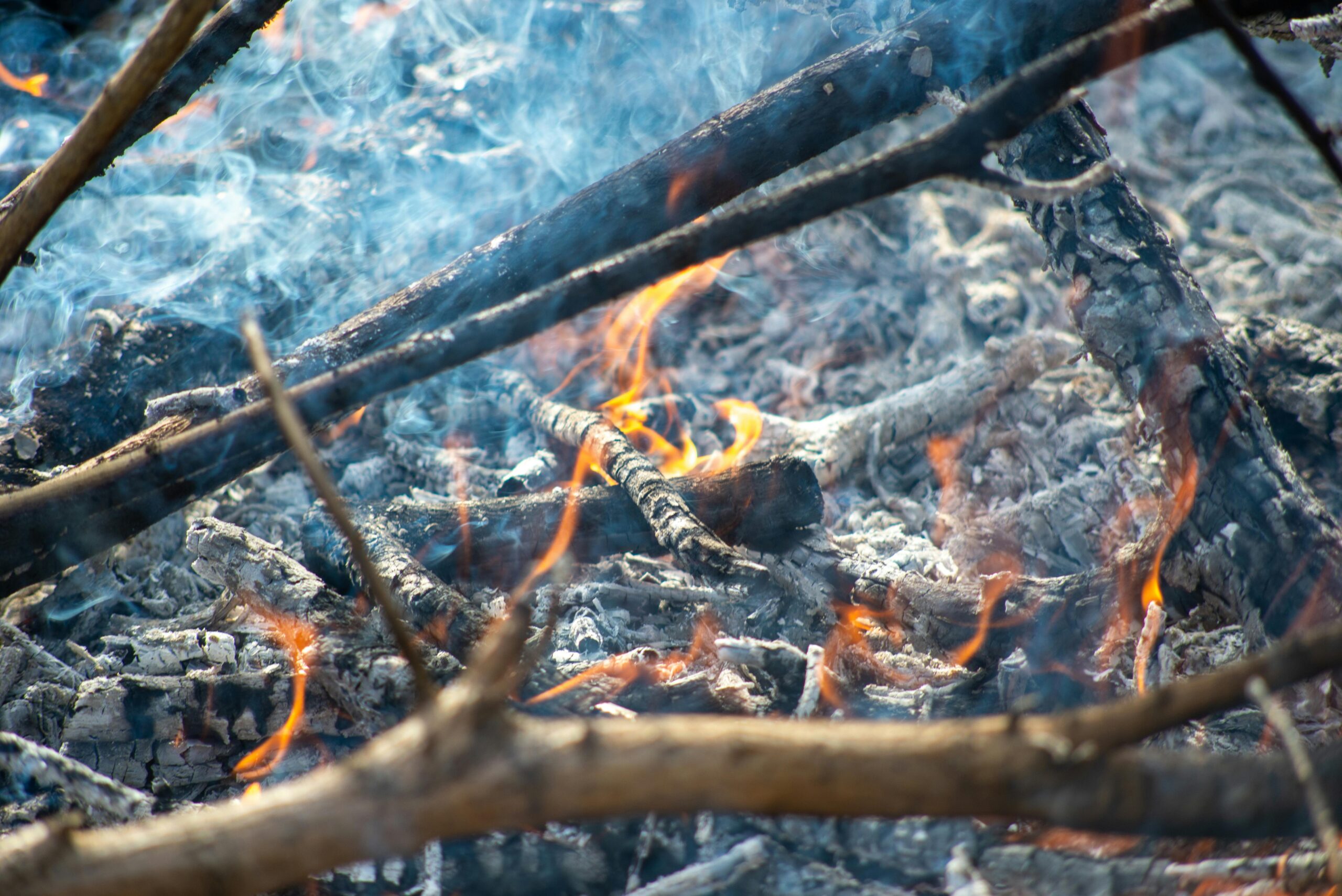
Burn the wood completely to white or gray ash, ensuring complete combustion. Sift the ash through fine mesh to remove larger particulates and charcoal chunks. Some traditional methods activate the ash through additional heating or steam treatment to increase porosity and adsorption capacity.
Building a Simple Ash Filter
A basic home ash filter can be constructed using readily available materials. Layer coffee filters or cheesecloth in a funnel, add a thin layer of food-grade ash (activated charcoal works excellently), and slowly pour your brewed charred grain beverage through the filter bed.
For more elaborate setups, create a dedicated filtration column using a clean glass or food-safe plastic container. Build filtration layers from bottom to top: coarse cloth, fine ash or activated charcoal, another cloth layer, and finally a weight to keep everything in place. This multi-layer approach provides superior clarification.
The filtration flow rate matters significantly. Too fast, and the ash doesn’t have sufficient contact time to adsorb impurities. Too slow, and excessive contact might strip desirable flavors. Aim for a gentle drip—roughly 1-2 drops per second—for optimal results.
Regional Variations and Cultural Traditions
Across the globe, diverse cultures have developed unique approaches to charred grain beverages, each reflecting local ingredients, climate conditions, and cultural preferences. Exploring these regional variations offers insight into the versatility of this beverage category.
East Asian Roasted Grain Teas
Japanese mugicha showcases barley roasted to a medium-dark level, creating a refreshing beverage typically served cold during summer months. The roasting brings out barley’s natural sweetness while adding subtle nutty undertones. No sweeteners are traditionally added, allowing the grain’s character to shine.
Korean boricha follows similar principles but often includes rice or corn alongside barley. Sungnyung takes this concept further by utilizing the naturally charred rice that adheres to the bottom of cooking pots, transforming what might be considered waste into a valued beverage with deep cultural significance.
Nordic and Eastern European Traditions
Scandinavian and Eastern European regions developed grain-based beverages partly as coffee substitutes during periods of scarcity. These drinks often feature rye or barley roasted to dark levels, creating bold, coffee-like beverages that provided warmth and sustenance through harsh winters.
Some traditional recipes incorporate chicory root, dandelion root, or acorns alongside charred grains, creating complex flavor profiles that blur the lines between grain beverage and herbal infusion. These historical recipes are experiencing renewed interest among contemporary craft beverage enthusiasts.
🍺 Modern Applications in Craft Beverages
Contemporary beverage artisans are rediscovering and reimagining charred grain drinks, incorporating them into diverse contexts from craft beer adjuncts to artisanal coffee alternatives. This renaissance celebrates traditional wisdom while embracing modern innovation.
Craft breweries utilize charred grains to add complexity to beers, particularly porters and stouts where smoky, roasted notes complement malt profiles. Some experimental brewers create entirely grain-based beverages that mimic beer’s mouthfeel and complexity without fermentation, appealing to those seeking sophisticated non-alcoholic options.
The specialty coffee industry’s influence has elevated expectations for roasted grain beverages. Techniques borrowed from coffee roasting—including precise temperature profiling, degassing periods, and single-origin sourcing—now apply to charred grain drink production, elevating quality standards across the category.
Health Considerations and Nutritional Aspects
Charred grain beverages offer several potential health benefits compared to heavily processed alternatives. They contain beneficial minerals derived from the grains and, when ash-filtered, may include trace minerals from the filtration medium. Many are naturally caffeine-free, making them suitable for those avoiding stimulants.
The roasting process creates antioxidant compounds, particularly melanoidins, which have demonstrated potential health benefits in research studies. However, it’s worth noting that extremely high roasting temperatures can create compounds like acrylamide, so moderate roasting levels offer the best balance between flavor development and health considerations.
| Grain Type | Primary Flavors When Charred | Best Applications |
|---|---|---|
| Barley | Nutty, toasted bread, subtle sweetness | Refreshing teas, coffee alternatives |
| Rice | Clean, slightly sweet, popcorn-like | Light beverages, blending base |
| Rye | Earthy, robust, slightly spicy | Bold coffee-style drinks |
| Wheat | Mild, biscuit-like, gentle sweetness | Smooth everyday beverages |
| Corn | Sweet, caramel, popcorn notes | Naturally sweet infusions |
Perfecting Your Technique Through Experimentation
Mastery of charred grain beverages comes through dedicated experimentation and careful observation. Keep detailed notes on roasting temperatures, times, grain varieties, and brewing parameters. This documentation allows you to refine successful batches and avoid repeating mistakes.
Consider creating a personal tasting vocabulary to describe the flavors you encounter. Terms like “biscuit,” “caramel,” “smoky,” “nutty,” “chocolate,” and “toasted” provide starting points, but develop your own descriptors that capture the unique characteristics you perceive in different preparations.
Blind tasting sessions can sharpen your palate and reveal preferences you might not consciously recognize. Prepare several variations with subtle differences, then taste without knowing which is which. This practice helps develop sensitivity to how small changes in preparation affect the final beverage.
🌟 Pairing Charred Grain Drinks with Food
The complex flavors of charred grain beverages make them exceptional companions for diverse cuisines. Their inherent earthiness and subtle smokiness complement foods in ways that mainstream beverages cannot, opening new dimensions of culinary enjoyment.
Light-roasted grain beverages pair beautifully with delicate foods like steamed vegetables, mild cheeses, and seafood. Their gentle toasted notes enhance without overwhelming subtle flavors. Medium-roasted varieties complement heartier fare—roasted meats, aged cheeses, and umami-rich dishes benefit from the beverage’s nutty complexity.
Dark-roasted charred grain drinks stand up to intensely flavored foods. Barbecue, dark chocolate desserts, and strongly spiced dishes find balance with these robust beverages. The smoky notes in both food and drink create harmonious resonance that elevates the entire dining experience.
Sustainability and Ethical Considerations
Crafting charred grain beverages aligns well with sustainable living principles. Using whole grains—often locally sourced—reduces processing and transportation impacts. The ash filtration process can utilize byproducts from wood-burning heating systems or cooking fires, transforming waste into valuable brewing materials.
Home production eliminates packaging waste associated with commercial beverages while reducing the carbon footprint of transportation and industrial processing. Growing interest in these traditional drinks supports biodiversity by encouraging cultivation of heritage grain varieties that might otherwise disappear from agricultural systems.
When sourcing grains, consider supporting organic and regenerative agriculture practices that build soil health and support farming communities. Many small-scale grain producers offer exceptional quality products that enhance your beverages while contributing to more resilient food systems.
🔮 The Future of Charred Grain Beverages
As consumers seek authentic, artisanal alternatives to mass-produced drinks, charred grain beverages are positioned for significant growth. Their combination of deep cultural roots, complex flavors, and alignment with health and sustainability trends makes them particularly relevant to contemporary beverage culture.
Innovation continues to push boundaries while respecting traditional foundations. Experimental roasters are applying precision technology borrowed from specialty coffee to grain roasting, achieving unprecedented consistency and flavor development. Hybrid beverages that combine charred grains with botanicals, fruits, or spices are creating entirely new flavor territories.
The rise of dedicated charred grain beverage cafés and tasting rooms signals growing mainstream interest. These establishments educate consumers about the diversity within the category while creating community around shared appreciation for these distinctive drinks. This infrastructure supports artisans and encourages the next generation of innovation.
Educational resources, online communities, and specialty suppliers are making it easier than ever for enthusiasts to explore charred grain beverages. This accessibility democratizes a once-obscure craft, allowing passionate individuals worldwide to participate in this delicious tradition’s ongoing evolution.
Whether you’re drawn to charred grain drinks for their bold flavors, cultural significance, health benefits, or sustainability advantages, the journey into this smoky realm offers endless discovery. Each batch you create connects you to centuries of human ingenuity while allowing personal expression through ingredient selection, roasting approach, and brewing technique. The combination of fire, grain, and ash transforms simple agricultural products into beverages of remarkable character—a testament to the creative potential that emerges when we apply thoughtful craft to nature’s humble gifts.
