
Anúncios
Salt-crust cooking transforms ordinary ingredients into extraordinary culinary masterpieces, sealing in moisture and flavor while creating a dramatic presentation that never fails to impress.
This ancient cooking technique has experienced a remarkable renaissance in modern kitchens, captivating both professional chefs and home cooks with its simplicity and stunning results. The beauty of salt-crust cooking lies in its dual nature: it’s simultaneously rustic and refined, traditional yet innovative, and surprisingly accessible despite its impressive appearance.
Anúncios
When you embrace this method, you’re tapping into centuries of culinary wisdom that spans cultures from Mediterranean coastlines to Asian kitchens. The salt crust acts as a natural oven within your oven, creating a microenvironment that steams, roasts, and seasons your food simultaneously. The result? Incredibly moist proteins, perfectly cooked vegetables, and flavors that penetrate deep into every bite.
🧂 Understanding the Science Behind Salt-Crust Magic
The brilliance of salt-crust cooking stems from fundamental cooking science. When you encase food in a salt shell, you create an insulated cooking chamber that maintains consistent temperature and humidity. The salt doesn’t actually penetrate deeply into the food; instead, it forms a protective barrier that traps moisture and prevents overcooking.
Anúncios
The crust hardens during cooking, forming an airtight seal that essentially creates a self-contained steaming environment. This means your proteins retain their natural juices while developing concentrated flavors. The heat distribution is remarkably even, eliminating hot spots and ensuring consistent doneness from edge to center.
Many home cooks worry about over-salting, but this fear is largely unfounded. The salt crust seasons the exterior perfectly while the interior remains beautifully balanced. The key lies in understanding that the salt is primarily a cooking vessel, not a seasoning agent.
Essential Ingredients and Equipment for Success
Before diving into salt-crust cooking, you’ll need to gather the right materials. The good news? The ingredient list is remarkably simple and affordable.
Choosing the Right Salt
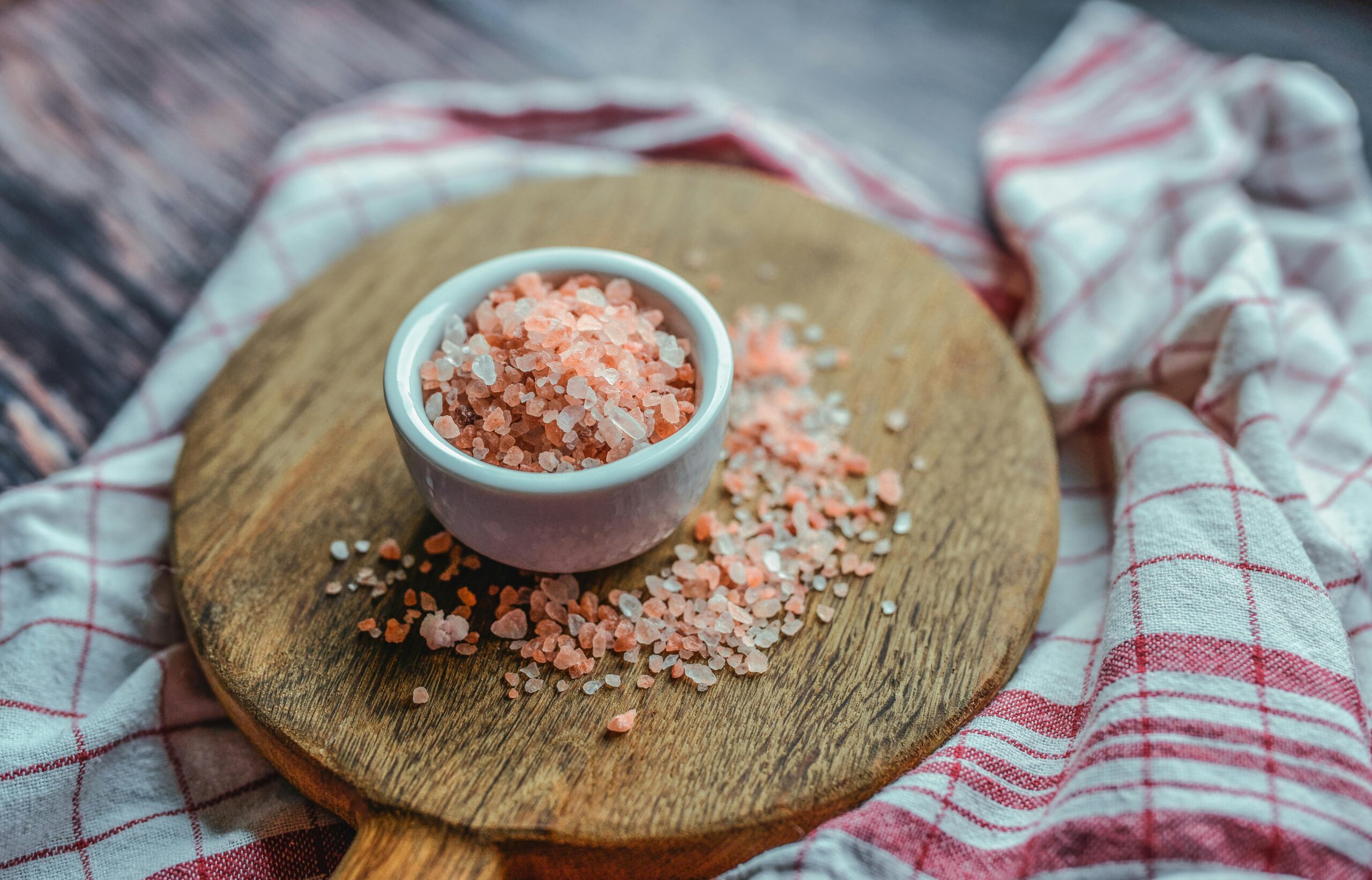
Coarse kosher salt or sea salt works best for creating your crust. Fine table salt won’t provide the necessary texture and structure. You’ll typically need three to five pounds of salt depending on the size of your protein. Don’t invest in expensive specialty salts – this is one application where budget-friendly options perform identically to premium varieties.
The salt can be mixed with egg whites to create a paste-like consistency, or used dry with just enough moisture to make it packable. Some recipes incorporate fresh herbs, citrus zest, or aromatic spices directly into the salt mixture, infusing subtle flavors into your dish.
Equipment Essentials
You won’t need specialized equipment for salt-crust cooking. A standard rimmed baking sheet, a large mixing bowl, and perhaps a kitchen mallet for cracking the finished crust are all you require. A probe thermometer helps ensure perfect doneness without breaking the crust prematurely.
Parchment paper or a silicone baking mat protects your pan and makes cleanup effortless. Some cooks prefer using a cast-iron skillet as a base, which provides excellent heat retention and distribution.
🐟 Mastering Fish in Salt Crust: A Perfect Starting Point
Whole fish represents the ideal introduction to salt-crust cooking. The technique originated in Mediterranean fishing communities where fresh catch was preserved and cooked using abundant sea salt. Today, this method remains one of the most foolproof ways to achieve restaurant-quality fish at home.
Select a whole fish weighing between one and three pounds – sea bass, snapper, branzino, or trout all work beautifully. The fish should be gutted and scaled, but leave the head and tail intact. These extremities help seal in moisture and make for dramatic presentation.
Preparing Your Fish for the Salt Treatment
Pat the fish completely dry inside and out. Stuff the cavity with fresh herbs like thyme, rosemary, or fennel fronds, along with lemon slices and crushed garlic cloves. This aromatics package perfumes the flesh from within while the salt crust works its magic externally.
Create your salt mixture by combining approximately four cups of coarse salt with three egg whites. The mixture should resemble wet sand – packable but not soupy. Spread a thin layer on your prepared baking sheet, lay the fish on top, then pack the remaining salt mixture over and around the fish, completely encasing it.
Bake at 400°F (200°C) for approximately 25-30 minutes for a two-pound fish. The crust will turn golden and rock-hard. Let it rest for five minutes before dramatically cracking open the crust tableside. The skin peels away with the salt, revealing perfectly steamed, supremely moist fish beneath.
Elevating Poultry with Salt-Crust Techniques
Chicken prepared in a salt crust emerges unbelievably juicy with skin that’s been delicately seasoned. Unlike traditional roasting methods that can dry out breast meat, the salt crust maintains moisture throughout the cooking process.
Choose a whole chicken weighing three to four pounds. Remove excess fat and pat completely dry. Season the cavity with black pepper, herbs, and aromatics, but skip the salt – the crust handles all the seasoning needed.
Building the Perfect Poultry Crust
For poultry, you’ll need a substantial amount of salt – approximately six to eight cups mixed with four to five egg whites. Some cooks add fresh rosemary, thyme, or sage directly into the salt mixture, creating an herb-infused crust that perfumes the meat.
Pack the salt mixture firmly around the entire bird, creating a thick shell at least half an inch thick on all sides. The breast should be especially well-covered to prevent overcooking. Roast at 375°F (190°C) for approximately 90 minutes, or until an instant-read thermometer inserted through the crust into the thickest part of the thigh reads 165°F (74°C).
After a ten-minute rest, crack open the crust to reveal golden, glistening skin and impossibly tender meat. The chicken will be perfectly seasoned – never over-salted – with flavors that penetrate throughout.
🥩 Red Meat Revolution: Beef and Lamb in Salt Armor
Salt-crust cooking isn’t limited to fish and poultry. Beef tenderloin, prime rib, and leg of lamb all benefit tremendously from this technique, emerging with restaurant-quality crusts and perfectly even cooking.
For red meat, timing becomes more critical since desired doneness varies by preference. A beef tenderloin weighing three to four pounds needs approximately 35-45 minutes at 425°F (220°C) for medium-rare. Always use a probe thermometer to monitor internal temperature without breaking the crust.
Preparing Premium Cuts
Bring your meat to room temperature before encasing in salt. Season with black pepper and dried herbs, but again, no additional salt. For beef, consider mixing Dijon mustard with minced garlic and spreading this paste over the meat before applying the salt crust – it creates an incredible flavor layer.
The salt mixture for red meat benefits from added aromatics. Mix crushed black peppercorns, dried thyme, and rosemary into your salt-and-egg-white blend. Some recipes incorporate a splash of cognac or wine into the mixture for added complexity.
Vegetable Variations: Beyond Protein
Salt-crust cooking extends beautifully to vegetables, particularly root vegetables and whole items like celeriac, beets, or large potatoes. The technique concentrates natural sugars while maintaining moisture, resulting in intensely flavored vegetables with creamy textures.
Whole beets emerge incredibly sweet and tender, their earthy flavors concentrated through the gentle steaming process. Simply scrub them clean, leave skins intact, and encase in salt crust. Bake at 375°F (190°C) for 60-90 minutes depending on size.
Large russet potatoes cooked in salt crust develop fluffy interiors and perfectly seasoned flesh. The technique transforms humble vegetables into elegant side dishes worthy of special occasions.
📋 Flavor Infusion Strategies
While the basic salt crust delivers excellent results, incorporating additional flavors takes your dishes to extraordinary heights. The crust itself becomes a flavor delivery system when you add aromatics and herbs.
- Fresh herb sprigs mixed into the salt add subtle aromatic notes
- Citrus zest brightens the overall flavor profile
- Crushed spices like fennel seeds, coriander, or star anise introduce complexity
- Dried seaweed or kombu adds umami depth, particularly for fish
- Edible flowers create visual appeal while contributing delicate flavors
Consider the stuffing cavity as prime real estate for flavor building. Lemongrass, ginger, and lime work beautifully with fish. Garlic, rosemary, and lemon suit chicken perfectly. Shallots, thyme, and bay leaves complement red meat exceptionally well.
🎯 Troubleshooting Common Salt-Crust Challenges
Even this forgiving technique occasionally presents challenges. Understanding common issues helps you achieve consistent success with every attempt.
Preventing Crust Cracks
If your crust develops cracks during cooking, moisture may escape, potentially drying your food. Ensure your salt mixture has adequate moisture – it should pack like wet sand. If cracks appear, quickly brush the area with beaten egg white to seal the breach.
Avoiding Over-Salting
Though rare, over-salting can occur if the food sits in the crust too long before cooking or if the interior was heavily pre-seasoned. Never salt the protein itself – let the crust do all the work. Remove food from the salt crust promptly after cooking; extended contact increases salt absorption.
Achieving Even Cooking
Uneven thickness in your food leads to inconsistent doneness. Choose uniformly sized items or truss poultry to create even shapes. Ensure the salt crust is equally thick on all sides, with slightly more coverage over thinner areas that cook faster.
Temperature and Timing Mastery
Success with salt-crust cooking depends heavily on understanding how different foods respond to this technique. Creating a personal reference guide helps build confidence and consistency.
| Food Item | Temperature | Approximate Time | Internal Temp |
|---|---|---|---|
| Whole Fish (2 lbs) | 400°F (200°C) | 25-30 minutes | 140°F (60°C) |
| Whole Chicken (3-4 lbs) | 375°F (190°C) | 90 minutes | 165°F (74°C) |
| Beef Tenderloin (3 lbs) | 425°F (220°C) | 35-45 minutes | 130°F (54°C) medium-rare |
| Leg of Lamb (4 lbs) | 400°F (200°C) | 60-75 minutes | 145°F (63°C) medium |
| Whole Beets | 375°F (190°C) | 60-90 minutes | Tender when pierced |
Remember these times serve as guidelines. Always verify doneness with a reliable thermometer rather than relying solely on cooking duration. Factors like starting temperature, oven accuracy, and food density all influence cooking times.
💡 Presentation and Serving Techniques
Half the magic of salt-crust cooking lies in the theatrical presentation. Bringing the intact crust to the table creates anticipation and drama that elevates the entire dining experience.
Crack the crust tableside using the back of a heavy knife or kitchen mallet. Strike firmly but carefully, working around the perimeter first. The crust should fracture cleanly, releasing aromatic steam that announces the dish’s readiness.
Peel away large sections of the crust, then carefully remove the top skin of fish or poultry – it lifts away easily, taking any excess salt with it. For fish, fillet directly on the serving platter, removing bones to reveal perfect, flaky flesh beneath.
Complementary Accompaniments
Salt-crust dishes shine with simple accompaniments that don’t compete with the pure flavors achieved through this cooking method. Fresh herb sauces, compound butters, or bright citrus segments complement without overwhelming.
For fish, consider salsa verde, herb oil, or lemon-caper butter. Chicken pairs beautifully with chimichurri or garlic-herb yogurt sauce. Red meats benefit from horseradish cream, red wine reduction, or simple herb butter.
Sustainability and Salt Reuse Considerations
Using several pounds of salt per dish raises sustainability questions. While the cooking salt absorbs flavors and moisture, making it unsuitable for another crust, creative reuse options exist.
Used salt can be repurposed as a base for aromatic salt blends after drying completely. Grind it with dried herbs and citrus zest for seasoning vegetables or finishing dishes. Some gardeners use it to deter pests, though excessive salt damages soil, so apply this solution carefully.
Consider the technique’s overall efficiency: minimal cleanup, no additional fats needed for cooking, and exceptional results that eliminate food waste from overcooked, dried-out proteins. The salt investment pays dividends in perfectly executed dishes.
🌟 Advancing Your Salt-Crust Repertoire
Once you’ve mastered basic techniques, experimentation opens endless possibilities. Try salt-crusting whole romanesco, cauliflower, or cabbage wedges. Encase stuffed squid or whole octopus for Mediterranean-inspired feasts. Even desserts like salt-baked apples or pears create unexpected delights.
Regional variations offer inspiration: Italian pesce al sale emphasizes simplicity with just salt, egg whites, and whole fish. French recipes often incorporate wine or aromatics into the salt mixture. Asian interpretations might include ginger, scallions, and soy-based stuffings.
The beauty of salt-crust cooking lies in its adaptability. Whether preparing weeknight dinners or show-stopping centerpieces for celebrations, this technique delivers consistently impressive results without requiring advanced skills or specialized equipment.
Building Confidence Through Practice
Like any cooking technique, salt-crust mastery comes through repetition and observation. Start with forgiving whole fish before progressing to more expensive proteins. Take notes on timing, temperatures, and results to build your personal cooking database.
Don’t fear the dramatic crust-cracking moment. With practice, you’ll develop an intuition for when the crust is perfectly set and your food is ideally cooked. The technique’s forgiving nature means even early attempts typically yield delicious results.
Embrace this ancient method that transforms simple ingredients into culinary masterpieces. Salt-crust cooking offers home cooks an accessible path to professional-quality results, proving that sometimes the most impressive techniques are rooted in elegant simplicity. Your journey toward bold, flavorful dishes begins with just salt, heat, and the confidence to try something beautifully different. 🍽️
