
Anúncios
Across cultures and centuries, the living have sought to maintain sacred bonds with their ancestors through ritual feasts that symbolically nourish the departed spirits.
🌙 The Sacred Bridge Between Worlds: Understanding Ancestor Rehydration Feasts
Ancient civilizations worldwide developed elaborate rituals centered on feeding and hydrating the spirits of deceased relatives and community members. These ancestor rehydration feasts represented far more than simple memorial gatherings—they embodied a profound belief that the dead maintained ongoing needs, desires, and influence over the living world. From the mist-covered hills of ancient China to the sun-baked pyramids of Egypt, communities dedicated significant resources to ensuring their ancestors received proper spiritual sustenance.
Anúncios
The concept of rehydration specifically held particular importance in these traditions. Water, beer, wine, milk, and other liquids were poured onto graves, altars, and sacred ground as offerings. This practice acknowledged a widespread belief that spirits experienced thirst in the afterlife and required liquid refreshment to maintain their strength, contentment, and benevolent disposition toward their living descendants.
The Archaeological Evidence of Ancient Feeding Rituals
Archaeological excavations have uncovered compelling evidence of ancestor feeding practices dating back thousands of years. Tomb sites across multiple continents reveal elaborate systems designed specifically for delivering food and drink to the deceased. These findings provide tangible proof that ancestor nourishment wasn’t merely symbolic but represented a practical concern for ancient peoples.
Anúncios
In ancient Egyptian tombs, researchers have discovered offering tables with drainage channels carved directly into stone. These channels allowed liquids poured by living relatives to flow down into the burial chamber below. The Egyptians believed the ka—the spiritual double of the deceased—required sustenance to survive in the afterlife. Without proper offerings, the ka might weaken or become vengeful.
Similarly, Chinese tomb architecture from the Shang and Zhou dynasties incorporated specialized vessels called “libation tubes” or “soul tubes” that connected the surface to underground burial chambers. Family members would pour wine, water, and grain offerings through these tubes during ancestral ceremonies, ensuring the spirits received direct nourishment.
Physical Remains Tell Stories of Devotion
Residue analysis from ancient vessels has revealed exactly what foods and beverages were offered to ancestors. Researchers examining pottery fragments from Greek and Roman tomb sites have identified traces of wine, honey, milk, olive oil, and grain-based porridges. These offerings weren’t random but followed prescribed ritual formulas passed down through generations.
In Mesoamerican cultures, particularly among the Maya and Aztec peoples, archaeologists have found evidence of elaborate feasting ceremonies held at burial sites. Broken pottery shards, animal bones, and burned food remains indicate that communities gathered at tombs to share meals with their ancestors, consuming portions while offering others to the spirit world.
💧 The Symbolic Power of Water and Liquid Offerings
Water held profound symbolic significance in ancestor veneration practices worldwide. As the essential element of life, water represented purification, renewal, and the continuation of existence beyond physical death. Liquid offerings served multiple ritual purposes across different cultural contexts.
In ancient Mesopotamian traditions, water libations were poured for the dead during the kispu ceremony, a monthly ritual obligation for family members. The Akkadian texts describe how failure to provide water offerings could result in restless ghosts who would return to torment the living. The dead were believed to experience genuine thirst, and only proper libations could quench their spiritual needs.
Greek and Roman cultures practiced similar rituals called choai and libatio, respectively. Mourners would pour mixtures of water, wine, milk, and honey onto graves or into specialized offering tubes. These liquids were thought to seep down into the earth, reaching the underworld where ancestors dwelled and providing them with refreshment and comfort.
Beer, Wine, and Sacred Beverages
Alcoholic beverages featured prominently in many ancestor feeding traditions. Ancient Egyptians offered beer—a dietary staple—to their dead regularly. Brewing inscriptions and tomb paintings depict the beer-making process, emphasizing its importance for both earthly and spiritual consumption. The intoxicating properties of alcohol were believed to help spirits transcend normal limitations and communicate with the living.
In ancient China, wine offerings to ancestors became highly ritualized during the Bronze Age. Special ceremonial vessels called jue and gu were crafted specifically for heating and serving wine during ancestral rites. The quality and quantity of wine offered reflected the family’s devotion and social status, creating a spiritual economy where proper offerings ensured ancestral blessings.
The Feast as Communion: Shared Meals with the Dead
Many ancient cultures structured their ancestor veneration around communal feasting, where the living and dead symbolically dined together. These weren’t somber, mournful occasions but often celebratory gatherings that reaffirmed family bonds across the boundary between life and death.
The Roman feast of Parentalia, held annually in February, exemplified this communal approach. Families would visit ancestral tombs, bringing food offerings including bread, wine, salt, and flowers. After presenting offerings to the dead, family members would share a meal at the gravesite, effectively dining with their ancestors. This practice reinforced familial identity and ensured younger generations remembered their heritage.
In ancient Japan, the Bon Festival (Obon) created similar opportunities for ancestral communion. Families would prepare favorite foods of deceased relatives, place them on household altars, and then consume portions themselves. This shared consumption symbolized the ongoing relationship between living descendants and ancestral spirits, who were believed to return home during the festival period.
🍞 The Specific Foods of Spirit Nourishment
Different cultures developed specific menus for ancestral offerings based on religious beliefs, agricultural capabilities, and traditional preferences. These foods weren’t arbitrary but carried symbolic meanings that reinforced cultural values and spiritual concepts.
- Grain offerings: Wheat, barley, rice, and corn represented abundance, sustenance, and the continuation of life. These staple crops connected ancestors to the land they once cultivated.
- Meat sacrifices: Animals offered to ancestors demonstrated devotion through valuable sacrifice. The choicest portions were reserved for spirits, acknowledging their honored status.
- Fruits and vegetables: Seasonal produce connected ancestral rites to agricultural cycles, recognizing the spirits’ continued influence over harvests and fertility.
- Salt and honey: These preservative substances symbolized immortality and sweetness in the afterlife, offering comfort and pleasure to departed souls.
- Ritual breads: Specially prepared breads, often shaped symbolically, served as sacred foods that bridged earthly and spiritual realms.
The Calendar of Ancestor Nourishment
Ancient societies structured time around obligatory periods for feeding ancestors. These weren’t occasional remembrances but regular, calendar-based responsibilities that punctuated daily and yearly cycles. Failure to observe these appointed times could bring misfortune, illness, or spiritual imbalance.
In ancient Rome, the Lemuria festival in May specifically addressed restless spirits who might harm the living if not properly appeased. The paterfamilias would perform midnight rituals, walking barefoot through the house while throwing black beans over his shoulder and uttering formulas to banish hostile ghosts. This was followed by offerings to more benevolent family ancestors.
Chinese ancestor veneration developed an elaborate calendrical system with offerings required on death anniversaries, seasonal festivals, and the first and fifteenth days of each lunar month. The Qingming Festival, still celebrated today, originated in ancient practices of tomb sweeping, food offerings, and symbolic paper burning to provide ancestors with necessities in the spirit world.
Daily Devotions and Household Rituals
Beyond major festivals, many cultures maintained daily or weekly practices of ancestor nourishment. Ancient Roman households maintained lararia—small household shrines—where daily offerings of food, wine, and incense were presented to ancestral spirits (lares) and protective deities. These routine acts integrated ancestor veneration into the rhythms of daily life.
In traditional African societies, particularly among groups like the Yoruba, daily libations to ancestors formed essential spiritual practice. The eldest family member would pour water or palm wine onto the ground each morning, calling the names of deceased relatives and seeking their guidance and protection for the day ahead.
🏺 The Material Culture of Spirit Feeding
Specialized objects and vessels developed specifically for ancestor feeding rituals represent significant artistic and technological achievements. These items weren’t merely functional but embodied religious concepts, social hierarchies, and cultural identities.
Chinese bronze ritual vessels from the Shang and Zhou dynasties exemplify this material sophistication. Elaborately decorated ding (tripod cauldrons), gui (food containers), and various wine vessels were cast using advanced metallurgical techniques. These weren’t everyday dishes but sacred implements reserved exclusively for communicating with ancestral spirits through food and drink offerings.
Greek and Etruscan tomb art depicts specialized vessels called lekythoi and kraters used for pouring libations to the dead. These containers often featured iconography related to death, the afterlife, and ancestral memory, transforming functional objects into powerful symbolic statements about the relationship between living and dead.
Architecture Designed for Eternal Dining
Some ancient cultures constructed elaborate architectural features specifically to facilitate ongoing ancestor feeding. Chinese tomb complexes included offering halls where descendants could gather for ritual meals with the deceased. These structures provided protected spaces for food presentation, ritual performance, and family gatherings centered on ancestral veneration.
In ancient Petra, the Nabataeans carved triclinium chambers—formal dining rooms—directly into cliff faces adjacent to tombs. These spaces hosted funerary banquets and periodic commemorative meals, allowing families to literally dine alongside their buried relatives in architectural settings that merged the living and dead.
The Philosophical Foundations of Spirit Nourishment
Behind these varied practices lay sophisticated philosophical systems that explained why the dead required nourishment and what happened when proper offerings were provided or neglected. These belief systems shaped entire worldviews about death, afterlife, and the continuing relationships between generations.
Chinese philosophy, particularly Confucianism, developed the concept of xiao (filial piety) as a central virtue extending beyond death. Feeding ancestors wasn’t simply religious obligation but the ultimate expression of respect and gratitude owed to parents and forebears. Proper offerings maintained cosmic harmony and ensured ancestors would intercede with higher powers on behalf of living descendants.
Ancient Egyptian beliefs about the ka and ba—different aspects of the soul—created theological necessity for physical offerings. The ka, remaining near the body after death, required actual sustenance to maintain existence. Magical spells inscribed in tombs could transform symbolic offerings into spiritual nourishment, but the ritual act of presentation remained essential.
The Reciprocal Economy of Blessing and Offering
Most ancestor feeding traditions operated within reciprocal frameworks where offerings from the living generated blessings from the dead. This wasn’t mere superstition but a sophisticated understanding of intergenerational obligation and cosmic balance.
In ancient Roman religion, the concept of do ut des (“I give so that you might give”) structured relationships with both gods and ancestors. Offerings created obligations requiring reciprocal benefits—protection, prosperity, good fortune, and guidance. Well-fed ancestors became powerful allies; neglected spirits became dangerous adversaries.
African traditional religions developed similar reciprocal frameworks where ancestors served as intermediaries between living humans and supreme deities. Regular offerings maintained these relationships, ensuring ancestors remained positively disposed and willing to intercede during times of crisis or need.
🌾 Agricultural Cycles and Seasonal Offerings
The agricultural calendar profoundly influenced ancestor feeding practices across cultures. Harvest celebrations often incorporated ancestral thanksgiving, acknowledging that successful crops resulted from both human labor and spiritual blessing. First fruits, newly fermented beverages, and choice portions of harvests were offered before communities consumed their bounty.
The ancient Greek festival of Anthesteria, celebrating new wine in early spring, included the third day (Chytroi) dedicated specifically to ancestral offerings. Families would prepare pots of cooked grains and legumes, offering them to the dead before the living could enjoy the new agricultural season. This ritual sequencing acknowledged ancestors’ priority claim on community resources.
In Mesoamerican cultures, the correlation between maize cultivation and ancestor veneration created powerful symbolic connections. The Maya believed their bodies were literally formed from maize by the gods, making corn offerings to ancestors a return of sacred substance to its spiritual source. The agricultural cycle and ancestral ritual calendar intertwined completely.
The Evolution and Persistence of Feeding Traditions
While ancient forms have transformed, the core impulse to nourish ancestral spirits persists across contemporary cultures worldwide. Modern practices like Mexico’s Día de los Muertos, Japan’s Obon Festival, and the Chinese Qingming Festival maintain ancient traditions of feeding the dead within adapted contexts.
These living traditions demonstrate the enduring human need to maintain relationships with deceased loved ones through concrete, material acts. Food and drink offerings provide tangible expressions of memory, respect, and continuing bonds that transcend death. The symbolic power of shared meals persists because eating together remains one of humanity’s most fundamental social acts.
Contemporary practitioners often describe feeling genuine connection with ancestors during offering rituals, experiencing these moments not as superstitious relics but as meaningful spiritual practices. Whether understood literally or metaphorically, feeding the spirits creates space for remembrance, gratitude, and acknowledgment of our debts to previous generations.
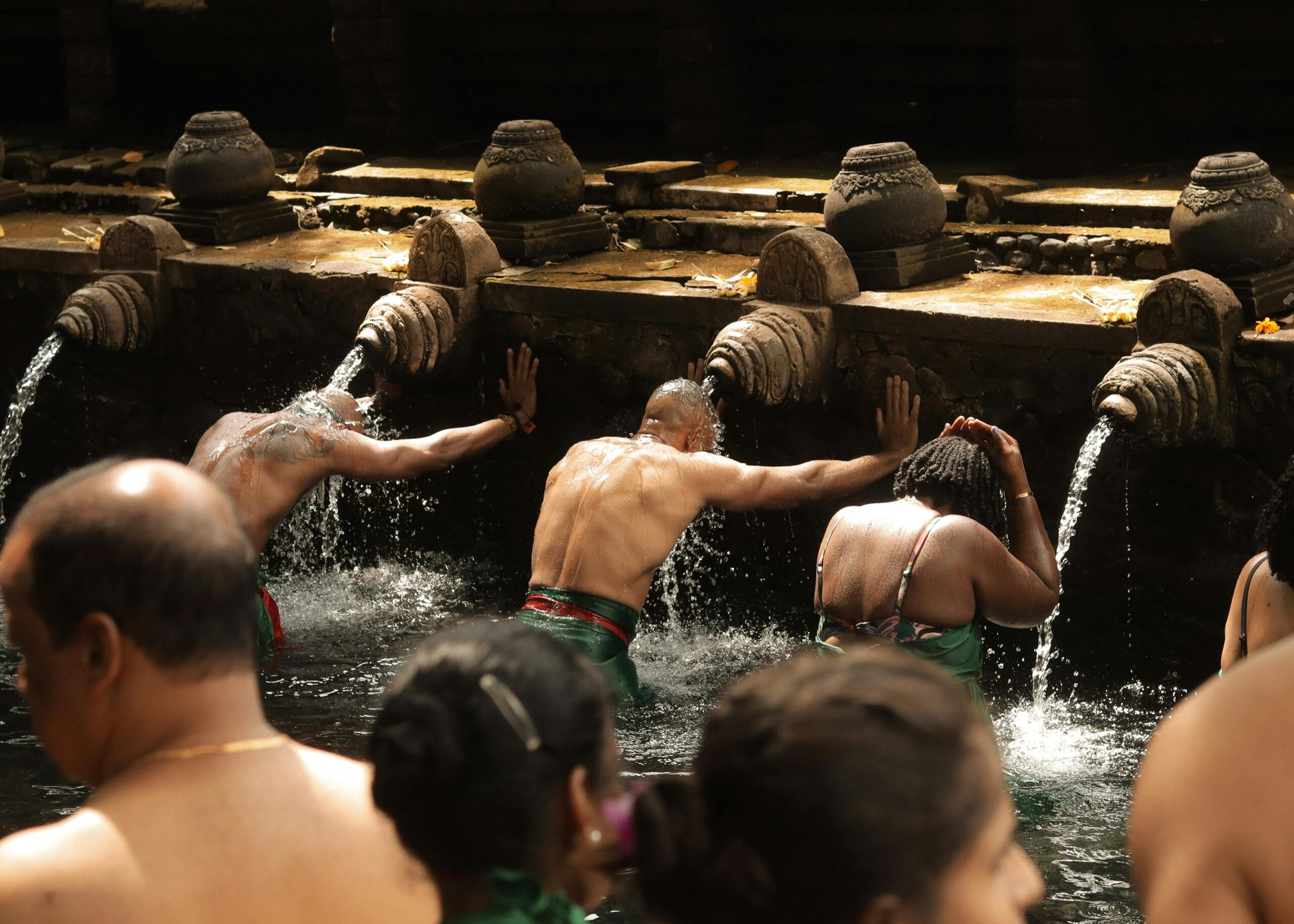
✨ The Universal Language of Nourishment and Memory
Ancestor rehydration feasts and feeding rituals represent universal human responses to mortality, memory, and the desire for continued connection across the ultimate boundary. By examining these ancient practices, we discover not exotic curiosities but recognizable emotions and needs expressed through culturally specific forms.
The dead cannot literally consume our offerings, yet the impulse to provide them persists because these rituals serve the living as much as the departed. They create structured time for remembrance, reinforce family and community bonds, transmit cultural knowledge across generations, and provide comfort in the face of loss. The ancient belief that ancestors required nourishment reflected a deeper truth: the living require meaningful ways to maintain relationships with those who came before.
Whether through elaborate bronze vessels in ancient Chinese temples, libations poured onto Greek graves, or meals shared at Roman tombs, humans have consistently found ways to feed their beloved dead. These practices remind us that memory itself requires nourishment, that cultural continuity demands active maintenance, and that honoring our ancestors means keeping them present through ritual action.
The symbolic foods and drinks offered in ancient rehydration feasts carried prayers, gratitude, obligation, and love across the boundary between worlds. In feeding the spirits, our ancestors were ultimately feeding themselves—sustaining memory, reinforcing identity, and affirming that death, while transforming relationship, need not end it entirely.
