
Anúncios
When darkness falls, a different kind of celebration begins. Night-only festivals around the world transform after sunset into magical gatherings where astronomy, culture, and gastronomy unite under celestial canopies.
✨ The Enchantment of Nocturnal Celebrations
The concept of night-only festivals represents a fascinating evolution in how humanity celebrates its connection to the cosmos. Unlike traditional daytime events, these gatherings embrace the darkness as an essential element rather than an obstacle. From remote deserts to mountain peaks, organizers deliberately schedule festivities exclusively after sundown to maximize star visibility and create immersive experiences that blend culinary delights with astronomical wonders.
Anúncios
These celestial celebrations have surged in popularity as light pollution increasingly disconnects urban populations from the night sky. People travel hundreds of miles seeking pristine darkness, making night festivals not just entertainment but pilgrimages to reconnect with ancient human experiences of wonder beneath the stars.
🌙 Historical Roots of Stargazing Festivals
Night festivals celebrating cosmic phenomena have deep historical precedents. Ancient civilizations synchronized their most important feasts with celestial events. The Inca celebrated Inti Raymi during the winter solstice, while Celtic cultures observed Samhain when the boundary between worlds seemed thinnest during long autumn nights.
Anúncios
Modern night-only festivals draw inspiration from these traditions while incorporating contemporary astronomical knowledge and technology. They create bridges between ancestral sky-watching practices and cutting-edge astrophotography, between traditional feast preparations and molecular gastronomy inspired by cosmic themes.
From Observatory to Festival Grounds
The transformation began when observatories realized public engagement could extend beyond daytime tours. By hosting after-dark events combining telescope viewing with cultural programming, they discovered audiences hungry for meaningful nighttime experiences. This model expanded rapidly, inspiring independent festival organizers worldwide to create events where the night sky itself becomes the main attraction.
🍴 Culinary Constellations: Feasting Under the Stars
Food occupies a central position in night-only festivals, with menus often designed to complement the astronomical theme. Chefs craft dishes inspired by cosmic imagery—dark foods representing the void of space, shimmering edible gold evoking distant stars, and spherical presentations mimicking planets and moons.
These festivals frequently feature long communal tables arranged in patterns reflecting constellations visible overhead. Diners enjoy multi-course meals timed to astronomical events, with dishes served as particular stars rise or planets cross the meridian. The synchronization of gastronomy with celestial mechanics creates unforgettable sensory experiences.
Signature Night Festival Dishes
- Galaxy soups with swirling purples and blues from natural ingredients like butterfly pea flowers and purple sweet potatoes
- Meteorite-inspired chocolate truffles dusted with edible metallic powders
- Constellation breads with seeds arranged in recognizable star patterns
- Lunar cycle desserts featuring different presentations for each moon phase
- Nebula cocktails with layered colors and luminescent ingredients
Local and seasonal ingredients dominate menus, connecting earthly abundance with celestial observation. Many festivals partner with regional farmers and producers, creating farm-to-table experiences that honor both terrestrial ecosystems and cosmic perspectives on our planet’s place in the universe.
🔭 Astronomical Programming and Activities
The astronomical component distinguishes these festivals from ordinary nighttime gatherings. Professional and amateur astronomers set up telescope arrays, guiding attendees through observations of planets, nebulae, star clusters, and distant galaxies. Many events coincide with meteor showers, eclipses, or other predictable celestial phenomena to enhance the experience.
Educational workshops teach constellation identification, astrophotography techniques, and basic celestial navigation. Attendees learn to use star charts, understand light-year distances, and grasp their position within the Milky Way galaxy. This knowledge transforms passive sky-gazing into active cosmic literacy.
Technology Meets Tradition
Modern night festivals seamlessly blend high-tech astronomical equipment with low-tech wonder. While computerized telescopes track Jupiter’s moons with precision, storytellers share mythology about the same planets using techniques unchanged for millennia. Augmented reality apps overlay constellation patterns on smartphone screens, yet naked-eye observation remains the most profound experience.
🌍 Notable Night-Only Festivals Around the World
Several destinations have become renowned for their exceptional night-only festivals. The Atacama Desert in Chile, home to some of Earth’s darkest skies, hosts multiple annual events combining indigenous Andean traditions with world-class astronomical observation. Visitors feast on traditional dishes while professional astronomers explain the Southern Cross and Magellanic Clouds visible overhead.
New Zealand’s Aoraki Mackenzie International Dark Sky Reserve organizes winter solstice festivals where Māori cultural performances interweave with astronomy presentations. The combination of indigenous star lore and modern astrophysics creates rich educational experiences honoring multiple knowledge systems.
Desert Night Magic
Desert locations worldwide capitalize on their clear skies and minimal light pollution. Morocco’s Sahara hosts Bedouin-style night festivals with traditional tagines served under canopies of stars so dense the Milky Way casts shadows. The Australian Outback offers similar experiences, where Aboriginal astronomy—the world’s oldest continuous astronomical tradition—guides interpretations of the southern sky.
Mountain Peak Celebrations
High-altitude festivals leverage reduced atmospheric interference for exceptional astronomical viewing. The Alps, Rockies, and Himalayas all host events where cable cars transport festival-goers to summit restaurants for dinner services synchronized with sunset, followed by guided sky tours as darkness deepens and temperature drops.
🎶 Entertainment Beyond the Visual Spectrum
Music forms an integral element of night-only festivals, with performances carefully curated to complement rather than compete with the celestial ambiance. Acoustic sets, ambient electronic music, and traditional instruments create soundscapes that enhance contemplation of cosmic vastness.
Some festivals incorporate “music of the spheres” concepts, translating astronomical data into audible compositions. Planetary orbital frequencies converted to human-hearing ranges become ethereal soundtracks. Solar wind data transforms into ambient noise. These sonifications make invisible cosmic phenomena accessible through additional senses.
Silent Disco Under the Stars
An innovative approach gaining popularity involves silent disco technology, where attendees wear wireless headphones. This allows simultaneous musical entertainment and preservation of natural nighttime quietude for those preferring astronomical observation without sonic interference. Multiple channels offer different musical genres, accommodating diverse preferences.
📸 Astrophotography Workshops and Competitions
Night festivals increasingly incorporate astrophotography as both educational component and competitive activity. Workshops teach long-exposure techniques, stacking methods, and post-processing approaches that reveal cosmic details invisible to naked eyes. Participants learn to capture star trails, the Milky Way’s core, and even deep-sky objects with increasingly accessible equipment.
Competitions during festivals encourage creative astronomical imaging. Categories might include best Milky Way landscape composite, most creative constellation portrait, or finest planetary detail. Winners receive recognition and sometimes equipment prizes, while all participants contribute images to festival documentation and promotional materials.
🌱 Sustainability and Dark Sky Conservation
Responsible night festivals prioritize environmental sustainability and dark sky preservation. Organizers implement strict lighting protocols, using only red-filtered illumination that preserves night vision and minimizes ecological disruption. Many events operate carbon-neutral, offsetting travel emissions and sourcing renewable energy.
Educational components emphasize light pollution’s impacts on wildlife, human health, and astronomical heritage. Attendees learn practical steps for reducing light pollution in their communities, transforming festival experiences into ongoing advocacy for darker, healthier night skies.
Leave No Trace Under the Stars
Festival organizers adopt rigorous environmental standards. Biodegradable serviceware replaces plastics. Composting systems process food waste. Transportation is coordinated to minimize vehicle numbers. These practices demonstrate that large gatherings can occur without environmental degradation, setting standards for outdoor events generally.
🎭 Cultural Programming and Storytelling
Mythology and storytelling traditions from diverse cultures enrich night festival programming. Indigenous elders, cultural historians, and performance artists share star stories passed through generations. Greek myths about Orion coexist with Navajo tales of Coyote’s adventures and Chinese legends of the Weaver Girl and Cowherd.
These narratives provide cultural context for constellation patterns, transforming random star arrangements into meaningful characters and moral lessons. Attendees gain appreciation for how different civilizations interpreted identical celestial patterns according to their unique worldviews and environments.
👨👩👧👦 Family-Friendly Cosmic Experiences
Many night festivals create dedicated family programming recognizing the importance of inspiring young astronomers. Children’s areas feature age-appropriate telescopes, glow-in-the-dark constellation craft activities, and storytelling sessions about space exploration. These zones balance entertainment with education, sparking lifelong interest in astronomy.
Special “junior astronomer” programs teach basic concepts through interactive games. Kids learn planet order through movement activities, understand moon phases with hands-on models, and grasp scale through walking solar system representations where each step represents millions of kilometers.
🗓️ Planning Your Night Festival Adventure
Attending a night-only festival requires specific preparation. Warm layered clothing proves essential, as temperatures drop significantly after sunset even in warm climates. Red flashlights preserve night vision while navigating. Reclining chairs or blankets make extended sky observation comfortable.
Researching the lunar phase before booking ensures optimal conditions—new moon periods offer darkest skies for deep-sky observation, while festivals during full moons might focus on lunar features and brightness-tolerant activities. Weather contingency plans matter critically for outdoor astronomical events.
Essential Items for Night Festival Attendees
- Warm layers including insulated jacket, even in summer destinations
- Red-light headlamp or flashlight for night vision preservation
- Reclining camp chair or padded ground mat for comfortable sky viewing
- Star chart or astronomy app for constellation identification
- Binoculars for enhanced celestial viewing without telescope complexity
- Thermos with hot beverages for extended outdoor comfort
- Camera with manual settings for attempting astrophotography
🌟 The Future of Nocturnal Celebrations
Night-only festivals continue evolving with technological advancement and growing environmental awareness. Virtual reality components may soon allow attendees to “visit” distant planets and nebulae between telescope observations. Augmented reality could overlay real-time astronomical data onto actual sky views, blending digital information with authentic experience.
Simultaneously, there’s countermovement emphasizing technology-free engagement with night skies. Some festivals establish device-free zones encouraging unmediated cosmic contemplation. This tension between enhancement and authenticity will likely define future festival development, with successful events balancing both approaches.
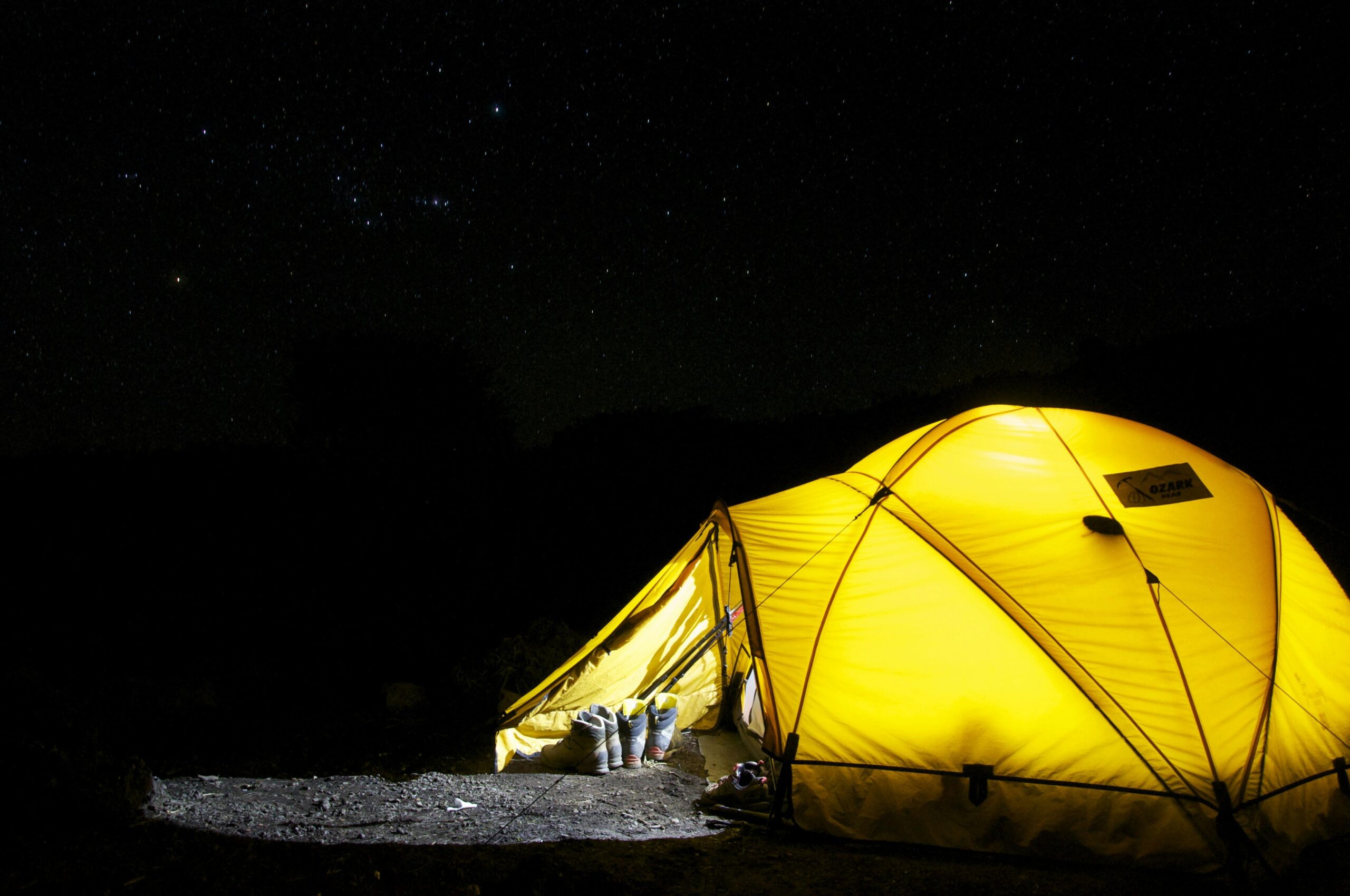
💫 Transformative Power of Shared Cosmic Wonder
Beyond entertainment and education, night-only festivals create profound shared experiences. Strangers bond over collective awe when Saturn’s rings first appear through a telescope eyepiece. Families create lasting memories during meteor shower observations. Communities strengthen connections through annual astronomical gatherings.
These festivals remind participants of perspectives larger than daily concerns. Contemplating billion-year-old starlight and galaxy-scale distances provides context that can shift priorities, reduce anxiety, and inspire gratitude for our improbable existence on this particular planet orbiting this average star.
The growing popularity of night-only festivals reflects deep human needs for connection—with nature, cosmos, community, and ourselves. In an increasingly illuminated world where true darkness becomes rare, these celebrations offer precious opportunities to experience night as our ancestors knew it, complete with overwhelming star fields and humbling cosmic vastness.
Whether attending a major international dark sky festival or a small local star party, the combination of excellent food, knowledgeable guides, and pristine night skies creates experiences that linger long after returning to light-polluted cities. These events don’t just celebrate what’s above us—they reconnect us with fundamental aspects of being human on a planet spinning through infinite space.
