
Anúncios
In a world increasingly disconnected from nature, ancient rituals that honor the wholeness of animals offer profound wisdom about our relationship with all living beings.
The practice of refraining from cutting or dismembering animals has been a sacred principle in numerous spiritual traditions throughout human history. These rituals recognize that every creature possesses an inherent dignity and completeness that should be preserved, even in death. This perspective challenges modern industrial approaches to meat consumption and invites us to reconsider our ethical responsibilities toward the animal kingdom.
Anúncios
Understanding these sacred practices requires us to look beyond mere dietary restrictions and examine the deeper philosophical and spiritual dimensions that underpin them. From ancient Jewish customs to indigenous ceremonies, from Hindu traditions to emerging ethical movements, the principle of honoring animal wholeness reveals universal truths about respect, compassion, and our place within the web of life.
🕊️ The Spiritual Foundation of Animal Wholeness
Sacred traditions worldwide have long recognized that animals are not merely resources for human consumption but sentient beings deserving of respect and dignity. This recognition manifests in various practices that seek to minimize harm and honor the integrity of animal bodies.
Anúncios
In Jewish tradition, the concept of “ever min ha-chai” (a limb from a living animal) represents one of the seven Noahide laws—universal commandments considered binding on all humanity. This prohibition extends beyond the obvious cruelty of consuming flesh from a living creature to encompass a broader respect for the completeness and wholeness of animal life.
Similarly, many indigenous cultures developed elaborate rituals surrounding hunting and animal use. These ceremonies acknowledged the sacrifice of the animal and sought to honor its spirit by treating the body with reverence. The act of taking an animal’s life was never casual but always accompanied by prayers, offerings, and expressions of gratitude.
The Sacred Contract Between Humans and Animals
Ancient wisdom teachings often describe an unspoken covenant between humans and the animal world. This relationship carries responsibilities that transcend simple dominion. When we recognize animals as fellow inhabitants of Earth rather than commodities, our entire approach to their treatment transforms fundamentally.
The Lakota people speak of “mitakuye oyasin”—all my relations—acknowledging the interconnectedness of all living beings. This worldview naturally leads to practices that honor the wholeness of animals, recognizing that what we do to them, we do to ourselves and the broader ecosystem.
Historical Practices That Preserved Animal Integrity
Throughout history, various cultures developed specific methods and rituals designed to preserve the dignity and wholeness of animals, even when they were used for food or other purposes.
In ancient Vedic traditions, the principle of ahimsa (non-violence) led many practitioners to adopt vegetarian diets entirely. Those who did consume animal products followed strict guidelines that minimized suffering and respected the animal’s form. The practice of offering prayers before and after meals acknowledged the sacrifice involved in sustaining human life.
Traditional Japanese Shinto practices include ceremonies to honor animals that have been hunted or used in agriculture. The “Hari Kuyo” festival, though primarily for broken needles, reflects a broader cultural tendency to honor all things that have served human purposes, including animals. Similar memorial services specifically for animals have been conducted at temples throughout Japan for centuries.
Buddhist Approaches to Animal Compassion
Buddhist teachings emphasize compassion for all sentient beings, leading many Buddhist communities to develop practices that honor animal life. The concept of karmic consequences for causing harm to living creatures motivated adherents to seek ways of minimizing their impact on the animal kingdom.
In Tibetan Buddhism, practitioners often perform rituals to liberate animals from slaughter, purchasing creatures destined for markets and releasing them into the wild. This practice, called “tsethar” or life release, acknowledges the preciousness of each individual animal life and the spiritual merit gained through acts of compassion.
Modern Movements Reclaiming Ancient Wisdom ✨
Contemporary spiritual seekers and ethical advocates are rediscovering and adapting traditional practices that honor animal wholeness for modern contexts. These movements bridge ancient wisdom with current scientific understanding of animal consciousness and environmental sustainability.
The growing interest in plant-based diets often stems from spiritual motivations as much as health or environmental concerns. Many people report that eliminating animal products from their diet deepens their meditation practice, increases their sensitivity to suffering, and aligns their actions with their values of compassion and non-harm.
Integrating Traditional Rituals into Contemporary Life
Modern practitioners are finding creative ways to incorporate reverence for animal life into daily routines. Some establish home altars with images or symbols representing the animal kingdom, offering regular prayers for the wellbeing of all creatures. Others participate in organized ceremonies that acknowledge humanity’s debt to the animals that have sustained our species throughout evolution.
Community gatherings that focus on preparing and sharing plant-based meals have become contemporary rituals in their own right. These events often include moments of reflection on our relationship with animals, gratitude for the abundance provided by the plant kingdom, and commitment to reducing harm to sentient beings.
The Ethical Dimensions of Refusing to Cut Meat
The decision to refrain from cutting or consuming meat carries significant ethical implications that extend beyond personal spiritual practice. This choice represents a rejection of systems that commodify animals and reduce them to mere products.
Factory farming, which dominates modern meat production, treats animals as industrial units rather than living beings. The process of mechanically dismembering countless animals daily in slaughterhouses reflects a profound disconnect from the sacredness that traditional cultures recognized in every creature. By refusing to participate in this system, individuals make a statement about the value they place on animal life and wholeness.
The Psychology of Dissociation and Reconnection
Many people experience cognitive dissonance between their love for companion animals and their consumption of farm animals. This psychological split allows humans to compartmentalize their compassion, extending it to some species while denying it to others based on arbitrary cultural categories.
Rituals that honor animal wholeness help bridge this disconnect. By consciously acknowledging the individual being behind every piece of meat, these practices restore the emotional and ethical connection that industrial food systems deliberately obscure. This reconnection often proves transformative, leading people to reconsider long-held dietary habits and cultural norms.
🌿 Environmental Sacredness and Animal Wholeness
The principle of honoring animal wholeness intersects powerfully with environmental stewardship. Traditional ecological knowledge often recognized that maintaining ecosystem balance required respectful relationships with animal populations, avoiding waste and overconsumption.
Indigenous hunting practices typically included protocols ensuring that no part of an animal went to waste. Every component—meat, bones, hide, organs—received purposeful use, reflecting gratitude for the animal’s sacrifice. This comprehensive utilization contrasted sharply with modern industrial practices where significant portions of slaughtered animals become waste products.
Restoring Ecological Balance Through Dietary Choices
Contemporary environmental science confirms what sacred traditions intuited: our treatment of animals directly impacts planetary health. Industrial animal agriculture contributes significantly to deforestation, water pollution, greenhouse gas emissions, and biodiversity loss. Choosing to honor animal wholeness by reducing or eliminating meat consumption represents both a spiritual practice and an ecological imperative.
Many environmental activists frame their plant-based dietary choices as sacred activism—a form of prayer enacted through daily decisions about food. This perspective transforms ordinary meals into opportunities for expressing reverence for life and commitment to planetary healing.
Practical Rituals for Honoring Animal Life Today
For those inspired to incorporate these principles into their lives, numerous accessible practices can deepen connection with the animal kingdom and honor the wholeness of all creatures.
- Gratitude practices: Before meals, take a moment to acknowledge any animals whose lives contributed to your food, even indirectly. Express thanks and commitment to minimizing harm.
- Meatless days: Designate specific days of the week as occasions to abstain from animal products, treating these as sacred observances rather than mere dietary restrictions.
- Animal meditation: Spend time visualizing or contemplating the lives of farm animals, developing empathy and understanding for their experiences.
- Supporting sanctuaries: Contribute time or resources to animal sanctuaries where rescued farm animals live out their natural lives in dignity.
- Educating others: Share information about the consciousness and emotional complexity of animals typically raised for food, helping others recognize their inherent worth.
Creating Personal Ceremonies of Commitment
Developing personalized rituals can strengthen dedication to honoring animal wholeness. Some individuals create formal ceremonies marking their transition to plant-based diets, inviting friends and family to witness their commitment. Others establish regular practices of lighting candles for animals suffering in industrial systems, transforming awareness of their pain into motivated compassion.
These rituals need not be elaborate or follow prescribed forms. Their power lies in intentionality—the conscious decision to acknowledge our relationship with animals and align our actions with our deepest values of compassion and respect.
🙏 The Transformative Power of Witnessing Wholeness
When we begin to truly see animals as whole beings rather than fragmented commodities, profound transformation becomes possible. This shift in perception affects not only our dietary choices but our entire worldview and way of being in relationship with the more-than-human world.
Visiting farm animal sanctuaries provides powerful opportunities to encounter cows, pigs, chickens, and other animals as individuals with distinct personalities, preferences, and relationships. These experiences often prove life-changing, making abstract ethical principles viscerally real and emotionally compelling.
Stories of Awakening Through Animal Connection
Countless individuals describe pivotal moments when they suddenly recognized the sentience and worth of animals they had previously considered food. These moments of awakening—whether through documentary films, chance encounters, or spiritual experiences—often lead to permanent changes in behavior and lifestyle.
Such transformations frequently extend beyond dietary choices to encompass broader ethical considerations. People who begin honoring animal wholeness often become advocates for environmental protection, social justice, and other compassion-based causes, recognizing the interconnection of all forms of oppression and exploitation.
Challenges and Responses on the Path of Compassion
Embracing practices that honor animal wholeness inevitably involves navigating cultural resistance, social pressure, and personal challenges. Traditional societies that practiced these principles typically enjoyed communal support, while modern adherents often find themselves swimming against prevailing currents.
Family gatherings, social events, and cultural celebrations frequently center around traditional meals that include meat. Choosing to abstain can create tension or misunderstanding. Approaching these situations with patience, clarity about personal values, and willingness to share information without judgment helps maintain relationships while honoring commitments.
Building Supportive Communities
Finding or creating communities of like-minded individuals provides essential support for maintaining practices that honor animal life. Whether through local meetup groups, online forums, spiritual communities, or activism organizations, connecting with others who share these values reinforces commitment and provides practical resources for navigating challenges.
These communities often develop their own rituals and traditions, creating contemporary expressions of ancient wisdom. Potluck dinners celebrating plant-based abundance, group visits to animal sanctuaries, and collaborative activism become modern equivalents of traditional ceremonies honoring the animal kingdom.
Wisdom for Future Generations 🌱
The principles underlying sacred practices that honor animal wholeness offer vital guidance for creating a more compassionate and sustainable future. Teaching children to recognize the inherent worth of all creatures, to question systems that commodify sentient beings, and to make ethical choices aligned with reverence for life prepares them to be thoughtful stewards of our shared planet.
Many parents report that children naturally possess compassion for animals until cultural conditioning teaches them to suppress these feelings toward certain species. Supporting children’s innate empathy rather than training them to override it honors both their spiritual development and the wellbeing of countless animals.
Educational programs that bring children into contact with farm animals as individuals rather than food sources have demonstrated remarkable success in developing lasting compassion and ethical awareness. These experiences plant seeds that may blossom throughout their lives into commitment to honoring the wholeness of all beings.
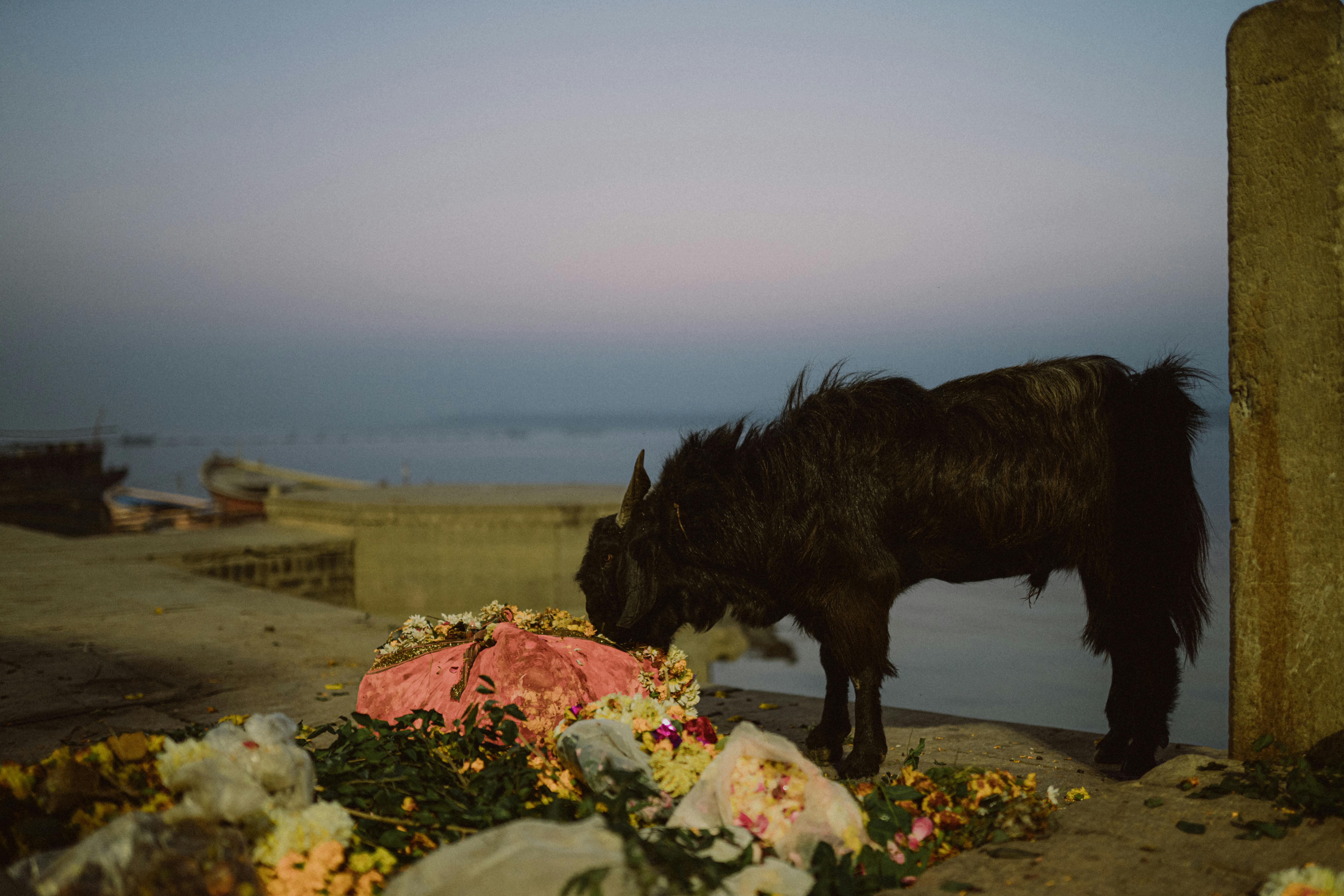
Embracing the Sacred in Every Choice
Ultimately, the practice of honoring animal wholeness represents a path of awakening to the sacredness that permeates all life. Each decision about what we eat, wear, or otherwise consume becomes an opportunity to express our deepest values and to participate in the healing of relationships between humans and the broader community of life on Earth.
This path requires neither perfection nor rigid adherence to rules. Rather, it invites ongoing reflection, growing awareness, and commitment to aligning our actions ever more closely with our understanding of compassion and interconnection. The ancient rituals that forbade cutting meat teach us not merely about dietary restrictions but about the profound respect due to every manifestation of life’s creative power.
As we face unprecedented environmental challenges and ethical questions about our relationship with other species, these timeless principles offer guidance rooted in wisdom traditions yet perfectly relevant to contemporary concerns. By honoring the wholeness of animals, we honor the wholeness of creation itself and our own deepest nature as beings capable of compassion, reverence, and love that extends beyond the boundaries of species and self.
The sacred rituals that forbid cutting meat ultimately invite us into fuller participation in the mystery and beauty of existence—recognizing that every creature carries within it the same spark of life that animates our own being, deserving of the same respect and protection we claim for ourselves.
