
Anúncios
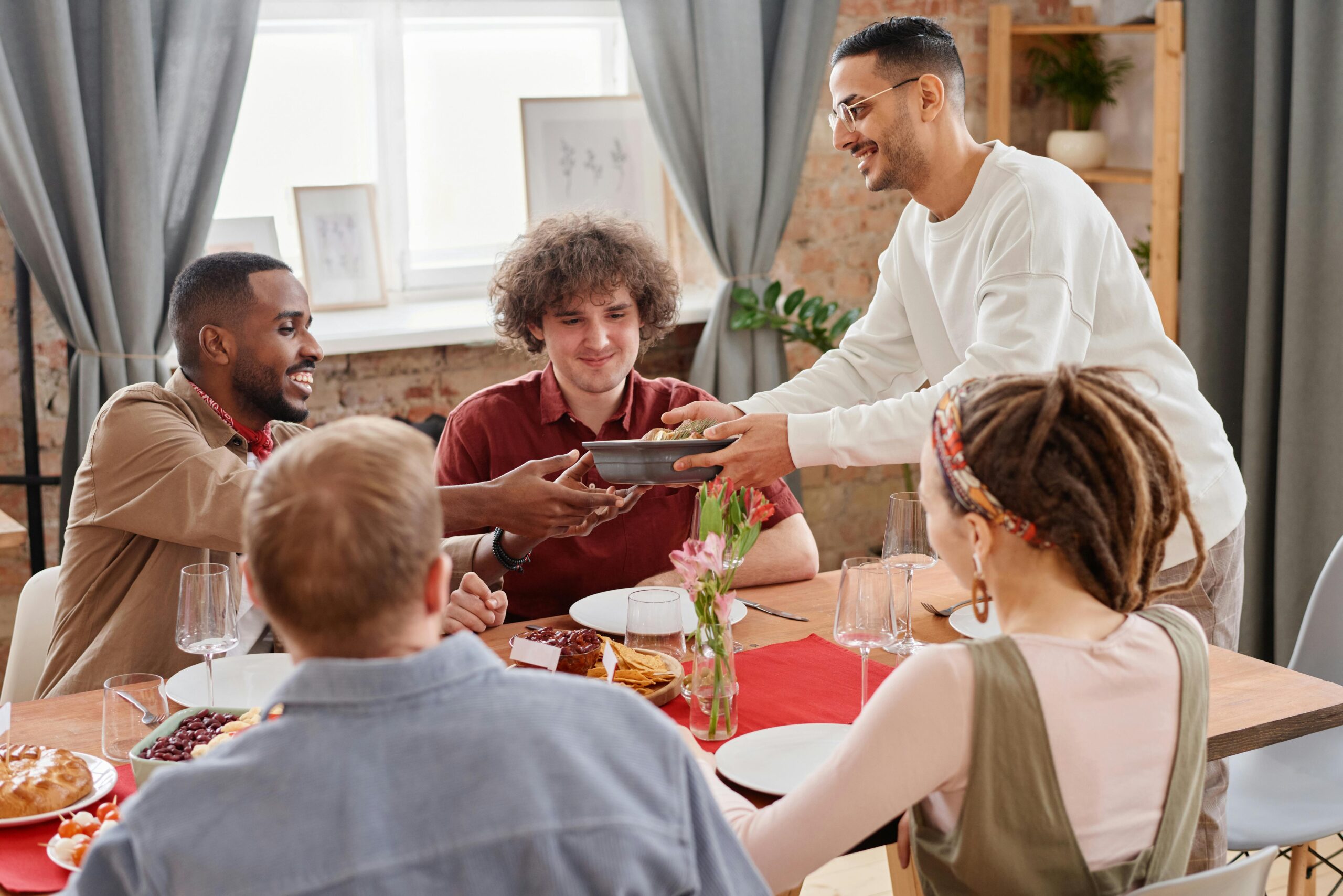
Shared bowls transcend mere dining tradition—they represent a profound ritual of human connection, breaking down barriers between individuals and fostering collective identity through the simple act of communal eating.
🍜 The Ancient Wisdom of Communal Eating
Throughout human history, the practice of sharing food from a single vessel has served as more than sustenance. It has been a cornerstone of social bonding, spiritual communion, and the dissolution of hierarchical boundaries. From the Ethiopian injera platter to the Korean jjigae pot, cultures worldwide have recognized that shared bowls create something magical: a temporary dissolution of individual boundaries in favor of collective experience.
Anúncios
The psychological impact of eating from a shared bowl operates on multiple levels. When individuals gather around a common vessel, they engage in synchronized behavior that naturally promotes empathy and connection. This synchronization triggers mirror neurons in the brain, creating a subtle but powerful sense of unity among participants. The shared bowl becomes a physical manifestation of interdependence, reminding us that our individual experiences are inextricably linked to those around us.
Breaking Down the Walls We Build
Modern society has increasingly emphasized individualism, personal space, and clearly defined boundaries. We eat from separate plates, drink from personal cups, and maintain distinct portions. While hygiene and autonomy have their place, this extreme separation has come at a cost—the erosion of genuine human connection and community cohesion.
Anúncios
Shared bowls challenge this paradigm by requiring vulnerability. When you reach into a communal dish, you acknowledge your dependence on others’ consideration and cleanliness. You trust that fellow diners will leave enough for everyone. You participate in an unspoken agreement of mutual respect and care. This vulnerability creates intimacy in ways that individual portions simply cannot replicate.
The Neuroscience of Shared Dining
Research in social neuroscience reveals fascinating insights into why shared meals affect us so profoundly. When we eat together from a common source, our bodies release oxytocin—often called the “bonding hormone.” This neurochemical response facilitates trust, reduces social anxiety, and promotes feelings of belonging. The act becomes neurologically rewarding, creating positive associations with both the food and the people sharing it.
Furthermore, the temporal synchronization of shared eating—where participants naturally align their eating pace and movements—activates the brain’s social cognition networks. This unconscious coordination builds rapport and increases prosocial behavior, making participants more cooperative and generous toward one another even after the meal concludes.
🌍 Cultural Expressions of Collective Nourishment
Examining shared bowl traditions across cultures reveals universal themes while celebrating beautiful diversity. These practices offer blueprints for cultivating connection in our own lives, regardless of cultural background.
Ethiopian Coffee Ceremony and Communal Dishes
In Ethiopian culture, the coffee ceremony represents one of the most sacred social rituals. While not strictly a shared bowl, the communal pouring and drinking from small cups alongside shared injera platters creates powerful bonds. Family, friends, and even strangers gather for hours, sharing not just food but stories, conflicts, and celebrations. The shared injera platter, from which everyone tears pieces to scoop up various stews, physically connects diners through touch and taste.
Korean Banchan and the Philosophy of Sharing
Korean dining culture embraces shared side dishes (banchan) and communal stews served in hot pots placed at the table’s center. This tradition reflects the Korean philosophical concept of jeong—a deep emotional bond developed through shared experiences. The practice of eating from the same pot, often with personal spoons dipping repeatedly into the common vessel, requires trust and creates intimacy that transcends mere acquaintance.
Middle Eastern Mezze Culture
The Middle Eastern tradition of mezze—small dishes shared among diners—transforms eating into a prolonged social experience. Multiple shared bowls of hummus, baba ganoush, and various salads dot the table, encouraging conversation, lingering, and the dissolution of formality. Diners use bread as both utensil and vehicle, creating direct physical connection with the food and indirect connection with each other.
The Dissolution of Individual Identity
When we speak of dissolving individual identity through shared bowls, we’re not advocating for the complete erasure of self. Rather, we’re exploring the temporary suspension of rigid ego boundaries that allows for authentic connection and collective experience. This dissolution creates space for what psychologists call “group flow”—a state where individual consciousness merges into collective awareness.
In shared dining, you cannot control your exact portion or timing. You must adapt to the group’s rhythm, consider others’ preferences, and negotiate shared space. This requires a release of rigid self-focus and an expansion into group consciousness. The experience parallels meditation or flow states where the observing self recedes and pure experience emerges.
Identity and Nourishment: An Intertwined Dance
Our relationship with food is deeply connected to identity formation. What we eat, how we eat, and with whom we eat all contribute to our sense of self. Individual plating reinforces individualistic identity—”this is mine, that is yours.” Shared bowls propose an alternative: “this is ours, we are interconnected.”
This shift from mine to ours has profound implications beyond mealtime. It cultivates a mindset of abundance rather than scarcity, cooperation rather than competition, and communal wellbeing rather than isolated success. These mindset shifts, practiced regularly through shared meals, can transform how we approach work, relationships, and social responsibility.
🤝 Practical Pathways to Connection Through Shared Dining
Understanding the theory behind shared bowls is valuable, but implementation creates transformation. Here are concrete ways to incorporate shared bowl practices into modern life, regardless of cultural background or dining context.
Starting Small: Family Dinner Reimagined
Begin by introducing one shared dish per week during family meals. A large salad bowl placed centrally, a pasta dish from which everyone serves themselves, or a soup tureen can initiate the practice. The key is creating situations where family members must coordinate, communicate, and consider each other’s needs while serving.
Encourage conversation about the sharing experience. How does it feel different from individual portions? What challenges arise? What unexpected pleasures emerge? This reflection deepens awareness and intentionality around the practice.
Creating Intentional Communal Dining Experiences
Organize regular potluck gatherings where each participant brings a dish designed for sharing. Emphasize foods that require communal eating—fondue, hot pots, large-format salads, or family-style roasted vegetables. The preparation itself becomes part of the bonding experience as participants consider not just their own preferences but the collective meal.
- Choose foods that require coordinated eating, like Korean barbecue or Chinese hot pot
- Arrange seating to ensure everyone can comfortably access shared dishes
- Establish gentle guidelines about consideration and portion awareness
- Create ambiance that encourages lingering and conversation
- Consider technology-free dining to maximize presence and connection
Workplace Applications: Breaking Professional Barriers
The office environment typically reinforces hierarchical boundaries and individual achievement. Introducing shared bowl lunches can soften these dynamics, creating opportunities for authentic connection across organizational levels. When the CEO and intern reach into the same salad bowl, hierarchy temporarily dissolves into shared humanity.
Companies can establish regular team lunches featuring shared platters, creating deliberate space for connection beyond work tasks. These gatherings shouldn’t be working lunches but genuine breaks where the focus shifts to relationship building and collective nourishment.
Addressing Modern Concerns: Hygiene and Boundaries
Contemporary concerns about hygiene and personal boundaries are legitimate and deserve thoughtful consideration. The goal isn’t abandoning reasonable health practices but finding balance between safety and connection.
Hygiene-Conscious Shared Dining
Many shared bowl traditions have built-in hygiene practices. Ethiopian dining uses injera as a barrier between hands and food. Korean restaurants provide serving spoons separate from personal utensils. Japanese nabe cooking uses designated serving chopsticks. These cultural practices demonstrate that communal eating and hygiene aren’t mutually exclusive.
Modern adaptations might include providing serving utensils, encouraging hand washing before meals, or choosing dishes where individual portions are taken from a central vessel rather than everyone eating directly from it. The psychological and social benefits of sharing can be maintained while respecting contemporary health consciousness.
Respecting Personal Boundaries
Not everyone will feel comfortable with communal eating, and that’s perfectly acceptable. The invitation to shared bowls should never become coercion. Some individuals have sensory sensitivities, health conditions, or cultural backgrounds that make shared eating uncomfortable or inappropriate.
The practice works best when voluntary and enthusiastic. Creating inclusive environments means offering both shared and individual options, allowing people to participate at their comfort level. The goal is connection, not conformity, and genuine connection respects individual needs and boundaries.
🌟 The Ripple Effects: Beyond the Bowl
The transformative potential of shared bowls extends far beyond mealtimes. The skills and mindsets cultivated through communal eating—consideration, patience, abundance thinking, interdependence awareness—transfer to other life domains.
Building Community Resilience
Communities that regularly share meals demonstrate greater resilience during crises. The relationships built around shared bowls create social capital—networks of trust and mutual support that activate during challenges. When neighbors know each other through shared potlucks, they’re more likely to help during emergencies, share resources during scarcity, and collaborate on community improvements.
Healing Social Fragmentation
Modern society faces epidemic levels of loneliness and social isolation. Shared meals offer accessible, low-barrier interventions. Unlike expensive therapies or complex social programs, gathering people around food requires minimal resources but delivers profound impact. The practice scales from intimate family dinners to neighborhood gatherings to large community feasts.
Organizations addressing social isolation increasingly recognize shared meals as powerful tools. Community centers, religious organizations, and grassroots groups organize regular communal dinners, creating consistent opportunities for connection across age, class, and cultural boundaries.
Intentionality Transforms Practice into Ritual
The difference between merely sharing food and experiencing genuine connection through shared bowls often comes down to intentionality. Approaching communal dining with awareness and purpose transforms it from convenience into sacred practice.
Begin meals with a moment of acknowledgment—gratitude for the food, appreciation for those gathered, or intention setting for the shared experience. This brief pause shifts participants from autopilot consumption to conscious connection. Even thirty seconds of collective silence can dramatically alter the meal’s quality and impact.
During the meal, practice presence. Put away phones, minimize distractions, and genuinely engage with those sharing your bowl. Notice the food’s flavors, textures, and aromas. Observe the dynamics of sharing—who serves whom, how portions are negotiated, what conversations emerge. This mindful awareness deepens the experience and its transformative potential.
🔄 Reclaiming Ancient Wisdom for Modern Times
Our ancestors understood something essential about human nature that modern individualism has obscured: we are fundamentally social creatures who thrive through connection. Shared bowls represent one of humanity’s oldest technologies for creating and maintaining social bonds. In our fragmented modern world, this ancient wisdom offers not nostalgic regression but progressive solutions to contemporary challenges.
The beauty of shared bowl practices lies in their accessibility. Unlike expensive interventions or complex systems, gathering around food requires only willingness and basic provisions. Any family, friend group, workplace, or community can begin this practice immediately with existing resources.
As we face global challenges requiring unprecedented cooperation—climate change, economic inequality, social polarization—the skills cultivated through shared bowls become increasingly vital. Learning to negotiate shared resources, consider collective wellbeing, and temporarily suspend individual ego for group benefit prepares us for the collaborative mindset our future demands.
Embracing the Journey From I to We
The pathway from isolated individualism to connected community isn’t traversed through grand gestures but through consistent small practices. Shared bowls offer a tangible, repeatable ritual for walking this path. Each communal meal represents an opportunity to practice the dissolution of rigid boundaries, the expansion into collective consciousness, and the rediscovery of our interconnected nature.
This practice doesn’t require perfection. Some shared meals will feel awkward or challenging. Conflicts may arise around portions or preferences. These difficulties aren’t failures but essential aspects of the practice—opportunities to develop communication skills, patience, and genuine relationship building. The goal isn’t conflict-free harmony but authentic connection that includes and transcends conflict.
As you explore shared bowl practices, remain curious and experimental. Adapt traditions to fit your context and community. Create new rituals that honor both cultural wisdom and contemporary needs. The practice evolves through doing, and each community will discover its own unique expressions of communal nourishment.
The shared bowl sits at table’s center, steam rising, aromas mingling, possibilities gathering. It waits not as mere food but as invitation—to connection, to community, to the temporary dissolution of separation that reveals our deepest truth. We are not isolated individuals struggling alone but interconnected beings capable of profound communion. The pathway to this recognition lies not in complex philosophy but in simple practice: gathering together, sharing from common bowls, and remembering through taste and touch that we belong to each other. The table is set. The invitation stands. All that remains is to accept, to reach forward, and to share.
