
Anúncios
The ancient world held culinary secrets that modern chefs and food historians are only beginning to rediscover, particularly in ash-cooked grains preparation methods.
🔥 When Fire Met Grain: Origins of Ash Cooking
Long before ovens, stovetops, or even pottery became commonplace, our ancestors discovered something remarkable: grains cooked directly in hot ashes developed flavors that transcended simple sustenance. This technique, practiced across continents from the Mediterranean to the Americas, transformed humble seeds into nutritionally superior and uniquely flavored foods that sustained civilizations for millennia.
Anúncios
Archaeological evidence suggests that ash-cooking predates ceramic vessel production by thousands of years. Paleobotanical studies reveal charred grain remnants at Neolithic sites throughout the Fertile Crescent, dating back over 10,000 years. These ancient peoples understood what modern science is only now confirming: cooking with ash doesn’t merely heat food—it fundamentally transforms it at a molecular level.
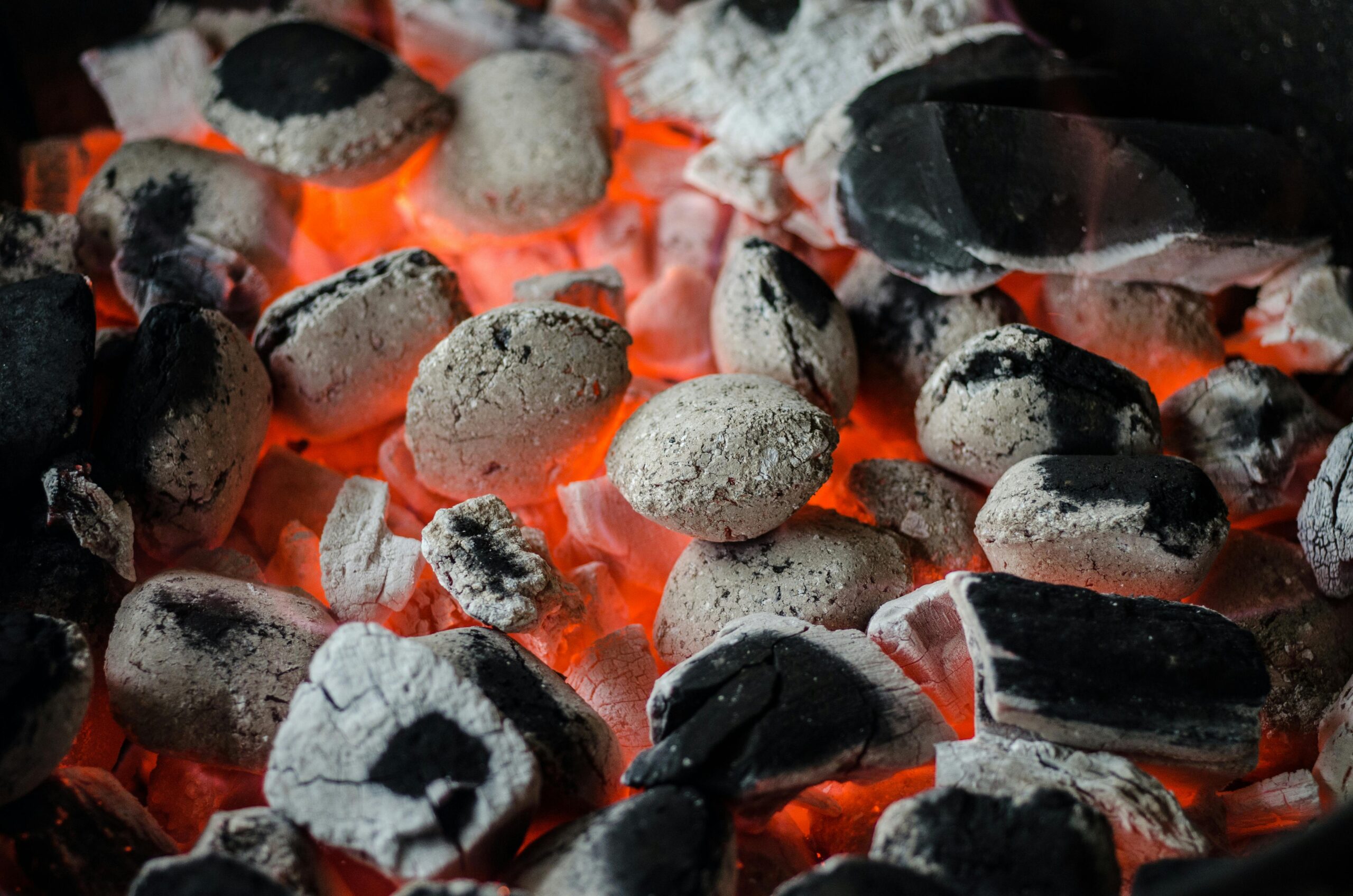
The chemistry behind ash-cooking is fascinating. Wood ash contains potassium carbonate, calcium compounds, and trace minerals that alter grain structure during cooking. This alkaline environment breaks down phytic acid, increases mineral bioavailability, and creates unique flavor compounds through Maillard reactions that differ dramatically from boiling or baking.
Anúncios
📜 Forgotten Techniques Across Ancient Civilizations
The practice of ash-cooking grains wasn’t confined to one region or culture. From the Aztec nixtamalization process to the Roman puls, civilizations developed sophisticated variations that reflected their agricultural resources and culinary philosophies.
Mesoamerican Nixtamalization: More Than Meets the Eye
The Aztec and Maya peoples perfected nixtamalization, cooking maize in alkaline water made from wood ash or limestone. This process, which dates back at least 3,500 years, wasn’t merely a cooking method—it was a nutritional revolution. The alkaline treatment released niacin (vitamin B3), prevented pellagra, improved protein quality, and enhanced calcium absorption.
Modern researchers have discovered that nixtamalized corn contains significantly higher levels of accessible amino acids compared to untreated corn. The ancient Mesoamericans intuitively understood what we now prove in laboratories: ash-processing transforms nutritionally incomplete grains into foods capable of sustaining entire civilizations.
Ancient Mediterranean Grain Traditions
Romans consumed puls, a porridge made from emmer wheat or barley, sometimes cooked in or near ashes for specific ceremonial occasions. Greek households prepared various grain dishes using ash-heated stones or directly in fire pits lined with embers.
Archaeological excavations at Pompeii revealed specialized cooking areas where grains were processed using ash-based techniques. Carbonized food remains show evidence of ash-coating on ancient breads and grain cakes, suggesting deliberate use of this cooking method for flavor enhancement and preservation.
Asian and Middle Eastern Practices
In ancient Persia, wheat and barley were sometimes cooked in underground ash pits for communal feasts. This method, called “doogh cooking,” created distinctive smoky flavors while tenderizing even the toughest grain varieties. Similar techniques appeared in Central Asian nomadic cultures, where portability and fuel efficiency made ash-cooking ideal.
Japanese archaeological sites from the Jōmon period reveal pottery with ash residues mixed with acorn and chestnut meal, suggesting ash was intentionally incorporated into grain preparations. This practice may have reduced the bitterness of certain wild grains while improving digestibility.
🌾 The Grains That Time Forgot
Many ancient grain varieties specifically suited for ash-cooking have disappeared from cultivation. These heritage grains possessed characteristics that modern varieties lack: resilient hulls that protected kernels in high heat, unique flavor compounds that emerged through ash interaction, and nutritional profiles optimized for alkaline processing.
Emmer wheat, einkorn, and various ancient barley strains were particularly well-suited to ash-cooking. Their robust seed coats withstood direct ember contact while allowing gradual moisture penetration and the absorption of beneficial ash minerals. When these grains fell out of favor during agricultural industrialization, their specialized culinary applications were largely forgotten.
Why These Methods Disappeared
The decline of ash-cooking grain preparation correlates with several historical developments. The widespread adoption of metal cookware provided more controllable heating methods. Urbanization distanced populations from wood-burning fires, the traditional ash source. Agricultural standardization favored grain varieties optimized for modern cooking methods rather than traditional techniques.
Additionally, the knowledge transmission traditionally occurred through oral tradition and hands-on apprenticeship. As cultural disruptions from colonization, industrialization, and globalization fragmented traditional communities, these specialized techniques simply weren’t passed to subsequent generations.
🔬 Scientific Rediscovery: What Modern Analysis Reveals
Contemporary food scientists and archaeologists are uncovering surprising benefits of ash-cooked grains that ancient peoples knew empirically but couldn’t explain scientifically. Advanced analytical techniques reveal how ash processing affects grain chemistry in ways that modern cooking methods cannot replicate.
Research published in food chemistry journals demonstrates that ash-cooking significantly increases mineral bioavailability in grains. The alkaline environment breaks down phytates—compounds that bind minerals and prevent absorption—releasing calcium, iron, magnesium, and zinc for nutritional uptake. Some studies show mineral availability increases by 40-60% compared to conventionally cooked grains.
Flavor Chemistry of Ash-Cooked Grains
Gas chromatography-mass spectrometry analysis of ash-cooked grains reveals unique volatile compounds not present in boiled or baked preparations. These include specific pyrazines, furans, and phenolic compounds that create earthy, nutty, and subtly smoky flavor profiles highly prized by contemporary chefs exploring ancient techniques.
The Maillard reactions occurring in ash’s dry, high-heat environment differ from those in moist cooking methods. This creates complex flavor layering that modern culinary professionals describe as “umami-rich” and “deeply satisfying”—qualities that may explain why ash-cooked grains formed dietary staples rather than mere supplements.
🍽️ Modern Revival: Chefs Recreating Ancient Techniques
A growing movement of experimental archaeologists, heritage food advocates, and avant-garde chefs are reviving ash-cooking methods. These culinary explorers aren’t merely recreating ancient recipes—they’re discovering that these “primitive” techniques produce flavors and textures unattainable through modern cooking technology.
Restaurants specializing in ancestral cooking methods have emerged globally, from Copenhagen to Mexico City. These establishments invest in specialized equipment to safely recreate ash-cooking conditions while meeting contemporary health standards. The results have garnered critical acclaim and sparked renewed interest in forgotten grain varieties.
Challenges in Modern Recreation
Reviving ash-cooking presents practical challenges in contemporary contexts. Food safety regulations often prohibit direct ash contact with food in commercial settings. Sourcing appropriate wood ash—free from chemical treatments and contaminants—requires careful supplier vetting. Standardizing results with natural materials proves difficult compared to precision modern equipment.
Despite these obstacles, dedicated food historians and chefs develop workarounds: using specially sourced organic wood ash, employing clay barriers between ash and grain, creating controlled ember environments that approximate ancient conditions, and documenting results to develop consistent methodologies.
💡 Nutritional Wisdom: What Ancients Knew Instinctively
Perhaps the most remarkable aspect of ash-cooked grain traditions is how ancient peoples developed nutritionally optimal preparation methods without modern scientific understanding. Their empirical observations and cultural knowledge transmission created food systems that maximized nutrient availability and minimized deficiency diseases.
The nixtamalization of maize prevented pellagra in Mesoamerican populations while European populations adopting unprocessed corn experienced devastating outbreaks. Middle Eastern and Mediterranean cultures that ash-treated certain grains showed lower rates of mineral deficiencies compared to populations relying solely on boiled grain preparations.
Modern Applications for Ancient Nutritional Wisdom
Contemporary nutritional research suggests that reincorporating some ash-cooking principles could address modern dietary challenges. Increased mineral bioavailability could benefit populations with marginal micronutrient status. Enhanced protein digestibility might improve grain-based protein quality for vegetarian and vegan diets. Reduced phytate content could make grain-heavy diets more nutritionally complete.
Some health-focused food companies are exploring commercialization of alkaline-treated grains inspired by ancient methods. These products aim to offer the nutritional benefits of traditional preparation while meeting modern convenience expectations and safety standards.
🌍 Cultural Heritage at Risk
The loss of ash-cooking traditions represents more than culinary history—it’s the disappearance of cultural identity and practical knowledge accumulated over millennia. Indigenous communities worldwide that maintained these practices face pressure from globalization and standardized food systems that dismiss traditional methods as primitive or unhygienic.
Organizations dedicated to culinary heritage preservation work to document remaining ash-cooking traditions before they vanish entirely. These efforts involve video documentation, training programs for younger community members, and advocacy for recognizing traditional food preparation as intangible cultural heritage deserving protection and respect.
Ethical Considerations in Culinary Revival
As mainstream interest in ancient cooking methods grows, questions arise about cultural appropriation versus appreciation. When should traditional techniques remain within their originating communities, and when does sharing knowledge benefit broader society? How do we credit source cultures when commercializing ancient methods?
Thoughtful practitioners advocate for collaborative approaches: partnering with tradition-bearers, providing economic benefits to source communities, properly crediting cultural origins, and approaching ancient techniques with respect rather than merely extracting novelty for commercial gain.
🔥 Practical Guide: Exploring Ash-Cooking Safely Today
For those interested in experiencing ash-cooked grains firsthand, several approaches allow safe experimentation while respecting traditional methods. Start with thoroughly researched techniques and appropriate safety precautions.
Select appropriate wood types that produce safe ash—hardwoods like oak, maple, or fruitwoods work well. Avoid treated lumber, painted wood, or anything containing chemicals. The wood should be completely burned to white or gray ash before use with food.
Begin with indirect methods where ash doesn’t directly contact grains. Wrap grains in grape leaves, corn husks, or edible clay before burying in hot ashes. This traditional approach protects food while allowing heat and subtle flavor transfer.
Step-by-Step Basic Ash-Cooking Method
- Build a hardwood fire and allow it to burn completely to ash with remaining embers
- Soak heritage grain varieties (emmer, einkorn, or whole grain corn) for several hours
- Wrap dampened grains tightly in large edible leaves or parchment paper
- Bury wrapped package in hot ashes, covering completely with additional ash layer
- Cook for 45-90 minutes depending on grain type and desired texture
- Carefully remove, unwrap, and brush away any ash residue before serving
The resulting grains possess a distinctive nutty flavor with subtle smokiness, different texture than boiled grains, and a deeply satisfying quality that helps explain their ancient popularity.
🌟 The Future of Ancient Grain Preparation
As interest in heritage foods, nutritional optimization, and culinary diversity grows, ash-cooked grain traditions may experience genuine renaissance rather than mere novelty revival. This resurgence could benefit nutrition, culinary arts, cultural preservation, and agricultural biodiversity.
Food historians predict that within the next decade, alkaline-treated heritage grains will become increasingly available in specialty markets. Academic research into traditional grain processing methods continues expanding, providing scientific validation for practices long dismissed as primitive. Culinary schools are beginning to incorporate ancient technique modules into their curricula.
The mystery of ash-cooked grains isn’t merely about recovering lost recipes—it represents a fundamental reconsideration of how we understand food preparation, nutrition, and cultural wisdom. These ancient methods remind us that “progress” sometimes means moving forward by looking backward, recovering knowledge that predates but potentially surpasses contemporary understanding.
🔍 Unanswered Questions and Ongoing Research
Despite renewed interest, significant gaps remain in our understanding of ancient ash-cooking practices. Researchers continue investigating exactly which grain varieties ancient peoples preferred for specific ash-cooking methods, how seasonal ash composition variations affected results, what symbolic or ceremonial significance these preparations held, and how ash-cooking techniques evolved across different climate zones and fuel availability.
Archaeological chemistry techniques improve constantly, allowing more detailed analysis of ancient food residues. These studies gradually paint clearer pictures of daily culinary life in ancient civilizations and the sophisticated food knowledge systems they developed.
The ongoing investigation of ash-cooked grains represents collaboration between archaeologists, chemists, nutritionists, anthropologists, and culinary professionals. This interdisciplinary approach proves essential for fully understanding techniques that were simultaneously practical, nutritional, cultural, and sensory achievements.
As we unearth these ancient flavors and the wisdom embedded in traditional preparation methods, we gain more than interesting historical knowledge. We recover practical techniques that may address modern nutritional challenges, expand our culinary possibilities, and reconnect us with food preparation approaches that sustained human civilization through its formative millennia. The ash-cooked grains of antiquity still have much to teach us—if we’re willing to listen to voices echoing across thousands of years.
