
Anúncios
Throughout history, humanity has celebrated the end of plagues with feasts, festivals, and gatherings that honor survival, renewal, and collective hope. ✨
When epidemics fade and communities emerge from darkness, there’s an instinctive need to gather, celebrate, and reaffirm life. These feasts of renewal represent more than mere parties—they embody humanity’s resilience, our capacity for joy after suffering, and our determination to rebuild stronger connections. From medieval Europe to modern times, societies have marked these transitions with food, music, art, and communal rituals that heal psychological wounds and restore social bonds.
Anúncios
The tradition of celebration following disease outbreaks reflects deep psychological and cultural needs. After periods of isolation, fear, and loss, communities require symbolic actions that acknowledge suffering while embracing future possibilities. These celebrations serve as collective therapy, helping societies process trauma and transition from survival mode to thriving mode.
🌍 Historical Feasts After Epidemics Throughout the Ages
History provides countless examples of communities celebrating the end of devastating epidemics. After the Great Plague of London in 1666, survivors organized public thanksgivings and feasts once the death toll declined. Churches held special services, and neighborhoods gathered to share meals, marking their collective survival and honoring those lost.
Anúncios
Following the 1918 influenza pandemic, cities worldwide organized victory celebrations that intertwined relief from both war and disease. These gatherings featured parades, public dances, and communal meals that signaled a return to normalcy. The psychological importance of these events cannot be overstated—they allowed people to shed months of fear and embrace life again.
In medieval times, communities would hold thanksgiving festivals after plague years, often coinciding with religious observances. These events included processions, special masses, and communal feasts where the wealthy would provide food for the poor, reinforcing social solidarity after periods when disease had disrupted every aspect of daily life.
Cultural Variations in Post-Epidemic Celebrations
Different cultures have developed unique traditions for marking the end of epidemics. In parts of Italy, communities erected plague columns and held annual commemorative festivals that combined solemnity with celebration. These monuments served as permanent reminders of survival and gratitude.
Asian cultures often incorporated purification rituals into their post-epidemic celebrations, using fire, water, and symbolic cleansing ceremonies to mark the transition from contamination to renewal. These practices addressed both physical and spiritual dimensions of recovery, acknowledging that healing requires more than medical intervention.
Indigenous communities worldwide have long practiced renewal ceremonies following disease outbreaks, often incorporating traditional foods, dances, and storytelling that reinforce cultural identity and communal bonds. These celebrations emphasize connection to land, ancestors, and future generations.
🍽️ The Symbolic Power of Shared Meals and Feasting
Food occupies a central place in post-epidemic celebrations for profound reasons. Sharing meals represents trust, intimacy, and safety—precisely what epidemics destroy. When people gather to eat together after prolonged isolation and fear of contagion, they perform an act of faith in restored health and community bonds.
The act of feasting also represents abundance after scarcity, pleasure after deprivation, and normalcy after disruption. During epidemics, food rituals become complicated by fear and restriction. The return to communal dining symbolizes freedom from these constraints and confidence in the future.
Traditional feast foods often carry symbolic meanings. Circular breads represent continuity and cycles of renewal. Sweet foods symbolize the sweetness of life restored. Dishes requiring multiple people to prepare emphasize cooperation and interdependence. These culinary choices aren’t random—they communicate values and aspirations for the post-epidemic world.
Modern Expressions of Celebratory Gatherings
Contemporary societies continue this ancient tradition with modern adaptations. After recent public health crises, communities have organized outdoor festivals, street parties, and restaurant weeks that support local businesses while celebrating renewed freedoms. These events blend traditional celebration elements with current cultural expressions.
Virtual celebrations have emerged as a new format, allowing geographically dispersed communities to participate in shared renewal experiences. Online cooking parties, synchronized toast moments, and digital storytelling events demonstrate how technology enables collective celebration while respecting ongoing health considerations.
Pop-up dining experiences, community gardens, and neighborhood potlucks represent grassroots approaches to post-epidemic celebration. These initiatives emphasize local connections, food security, and sustainable practices that address concerns heightened by epidemic experiences.
💚 Psychological Benefits of Collective Celebration and Renewal
The mental health benefits of post-epidemic celebrations extend far beyond temporary enjoyment. These gatherings provide crucial psychological functions that support individual and collective recovery from trauma. They create spaces where people can acknowledge losses, express gratitude for survival, and rebuild social connections damaged by isolation.
Collective celebrations generate shared positive experiences that counterbalance traumatic memories. They help communities establish new narratives that incorporate suffering but aren’t defined by it. This narrative reconstruction is essential for moving forward without denying or suppressing difficult experiences.
Participation in renewal celebrations can reduce anxiety, depression, and post-traumatic stress symptoms common after epidemic experiences. The social connection, physical activity, sensory engagement, and sense of agency these events provide all contribute to improved mental wellbeing.
Building Resilience Through Communal Joy
Resilience research shows that communities that celebrate together after adversity develop stronger capacity to face future challenges. These celebrations reinforce social networks, establish positive collective memories, and demonstrate that recovery is possible. They become reference points that communities can draw upon during subsequent difficulties.
The joy experienced in post-epidemic celebrations isn’t frivolous or disrespectful to those lost. Rather, it honors their memory by affirming that life continues and that survivors will carry forward with renewed appreciation and purpose. This balance between remembrance and renewal characterizes healthy grief processes.
Children particularly benefit from renewal celebrations that help them transition from epidemic-related restrictions to normal developmental experiences. These events model healthy coping, demonstrate adult confidence in safety, and create positive associations that buffer against prolonged anxiety.
🎨 Artistic Expressions of Hope and Renewal
Art has always played a vital role in post-epidemic celebrations. Music, visual arts, theater, and dance provide powerful vehicles for expressing complex emotions, processing collective experiences, and envisioning renewed futures. These creative expressions communicate what words alone cannot capture.
Post-epidemic art often blends themes of loss and hope, darkness and light, isolation and connection. This thematic complexity allows communities to honor the full spectrum of their experiences rather than forcing premature positivity or denying ongoing grief.
Public art installations, community murals, and memorial gardens combine celebration with remembrance. These permanent or semi-permanent works provide spaces for ongoing reflection and renewal, extending the benefits of initial celebrations into sustained healing processes.
Performance and Participatory Arts
Live performances hold special significance in post-epidemic contexts. Theater, concerts, and dance performances demonstrate bodies sharing space safely again, breathing the same air, and creating beauty together. The vulnerability of live performance mirrors the vulnerability of renewed social engagement.
Participatory art projects that invite community members to contribute elements—whether cloth squares to a communal banner, stories to a collective narrative, or movements to a group dance—emphasize inclusion and shared ownership of recovery processes. Everyone becomes a creator, not just a consumer, of renewal culture.
Street festivals featuring music, dance, and visual arts transform public spaces previously associated with restriction and danger into venues of joy and connection. This spatial reclamation helps communities psychologically reintegrate areas they may have avoided during epidemic peaks.
🌱 Rituals of Remembrance Within Celebration
Effective renewal celebrations incorporate remembrance of those lost and acknowledgment of ongoing grief alongside joyful elements. This integration prevents celebrations from feeling hollow or disrespectful while allowing space for multiple emotional experiences to coexist.
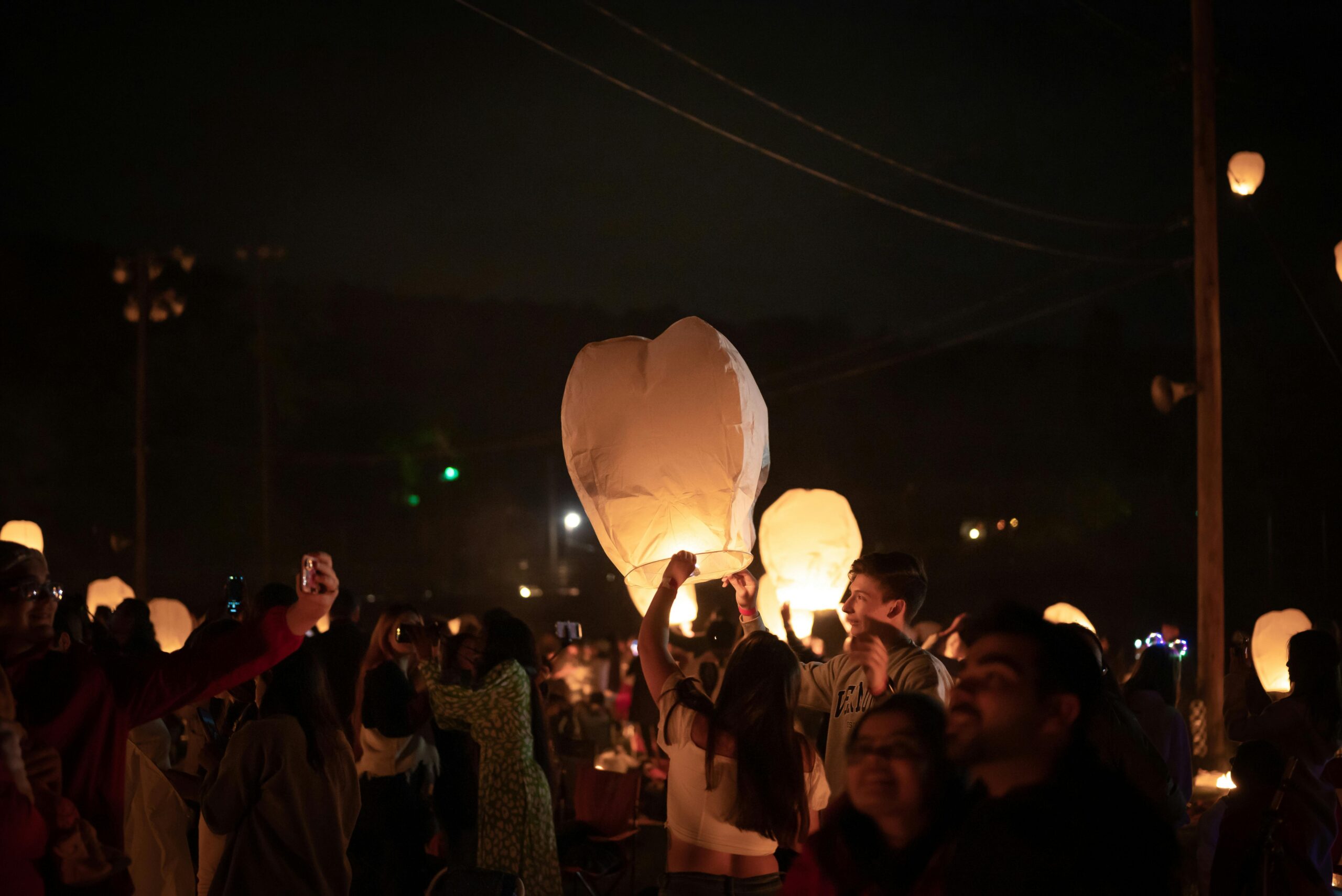
Many communities include moments of silence, memorial readings, or candle lighting within larger celebrations. These ritual pauses honor losses while affirming that life continues. They validate the experiences of those still grieving while welcoming those ready for joy.
Memorial walls, trees planted in remembrance, or dedicatory performances provide tangible expressions of how celebration and grief can coexist. These elements communicate that moving forward doesn’t mean forgetting or minimizing what was endured.
Creating Inclusive Celebration Spaces
Thoughtful renewal celebrations acknowledge that people emerge from epidemics at different stages of recovery. Some are ready for exuberant celebration; others remain cautious, grieving, or dealing with ongoing health consequences. Inclusive events provide varied participation options that respect this diversity.
Multi-dimensional celebrations might include quiet reflection spaces alongside lively gathering areas, virtual participation options for those unable to attend physically, and varied activities that appeal to different comfort levels and preferences. This approach ensures broader community engagement.
Accessibility considerations—physical, economic, and cultural—determine whether celebrations truly serve entire communities or only privileged segments. Successful renewal events intentionally remove barriers and actively invite participation from all community members.
🌟 Looking Forward: Building Better Through Celebration
The most meaningful post-epidemic celebrations don’t simply restore previous norms but envision improved futures. They provide opportunities for communities to reflect on lessons learned and commit to building more resilient, equitable, and connected societies.
Many renewal celebrations incorporate elements that address inequities highlighted by epidemic experiences. Food drives, fundraisers for affected populations, recognition of essential workers, and commitments to improved public health infrastructure transform celebration into action toward positive change.
These forward-looking celebrations ask not just “how do we return to normal?” but “what kind of world do we want to create?” They channel collective relief and gratitude into constructive engagement with persistent challenges that epidemics often reveal or exacerbate.
Sustaining Renewal Beyond Initial Celebrations
While initial post-epidemic celebrations provide crucial psychological and social benefits, sustaining renewal requires ongoing attention. Communities can establish annual commemorations that combine celebration with reflection, maintaining awareness of both what was lost and what was learned.
Integrating epidemic experiences into community narratives and cultural memory ensures that lessons aren’t forgotten during comfortable times. This remembrance can take many forms—oral histories, documentary projects, educational programs, and continued support for those with lasting impacts.
Building stronger community infrastructure—social networks, mental health resources, cultural institutions, and public spaces—represents practical translation of celebration into sustained resilience. The goodwill and connection generated through renewal celebrations can be channeled into concrete improvements.
🎊 Planning Meaningful Renewal Celebrations
Communities considering renewal celebrations can benefit from thoughtful planning that balances spontaneity with intention. Involving diverse community voices in planning ensures events reflect varied needs and perspectives rather than imposing top-down visions of appropriate celebration.
Effective celebrations often blend structured elements with open participation, providing frameworks that invite creative contribution. This balance offers enough organization for people to feel confident participating while allowing organic, authentic expression to emerge.
Timing considerations matter significantly. Rushing celebration before communities feel genuinely safe can backfire, while waiting too long may miss windows when collective energy and relief are highest. Reading community readiness requires sensitivity to local contexts and ongoing communication.
Elements of Successful Renewal Events
Research on community celebrations and trauma recovery suggests several beneficial elements. Social connection opportunities that allow meaningful interaction rather than passive attendance build stronger bonds. Multi-sensory experiences engaging sight, sound, taste, touch, and smell create rich, memorable events that anchor positive associations.
Physical movement through dance, processions, or games helps discharge stress held in bodies and generates positive neurochemical responses. Opportunities for personal expression—whether through contributed artwork, shared stories, or participatory performances—increase engagement and ownership.
Balance between organization and flexibility allows events to respond to emergent needs and energies. Too much rigidity constrains authentic celebration; too little structure may fail to create cohesive experiences that bring diverse people together.
🌈 The Universal Human Need for Renewal and Hope
Across cultures, geographies, and historical periods, humans consistently respond to epidemic endings with celebration. This pattern reveals fundamental aspects of human nature—our social orientation, our resilience, our need for meaning-making, and our capacity for joy even after profound suffering.
These celebrations affirm life in the face of death, connection in response to isolation, and hope despite uncertainty. They demonstrate that humans are not simply trauma survivors but meaning-makers who transform suffering into sources of wisdom, compassion, and renewed commitment to life.
The feasts, festivals, and gatherings that mark epidemic endings ultimately celebrate humanity itself—our vulnerability and strength, our mortality and vitality, our individual fragility and collective power. They remind us that we face challenges not alone but together, and that shared joy multiplies while shared burdens divide.
As current and future epidemics challenge our communities, the ancient wisdom of renewal celebrations offers guidance. By gathering to feast, create, remember, and envision together, we honor both what we’ve endured and what we aspire to become. These celebrations aren’t luxuries or frivolities but essential practices that heal, connect, and propel us forward into futures shaped by both hard-won wisdom and enduring hope. 🌺
