
Anúncios
# Feasting for Power: How Public Eating Rituals Crowned Rulers and Sealed Their Sovereign Legitimacy
Throughout history, rulers discovered that the path to power often led through the banquet hall, where strategic feasting transformed meals into political theater.
Anúncios
The act of eating has never been merely about sustenance. For monarchs, emperors, and chieftains across civilizations, public feasting served as a sophisticated tool of statecraft—a ceremonial performance that displayed wealth, reinforced hierarchies, and legitimized authority. These elaborate dining rituals transformed food consumption into a powerful political statement that resonated through every level of society.
From ancient Mesopotamian kings to European monarchs and Chinese emperors, the banquet table became a stage where sovereignty was enacted, witnessed, and validated. Understanding these rituals reveals how rulers throughout history used gastronomy as governance, turning the communal act of eating into an indelible symbol of their right to rule.
Anúncios
🍖 The Ancient Foundations of Political Feasting
In ancient civilizations, the connection between feasting and power was already firmly established. Mesopotamian kings hosted grand banquets that served multiple purposes beyond simple hospitality. These events demonstrated their ability to command resources, distribute wealth, and maintain complex logistical operations—all essential qualities of effective leadership.
Archaeological evidence from Sumerian city-states reveals that royal feasts could involve hundreds of participants, with carefully recorded inventories of sheep, cattle, bread, and beer. The “Standard of Ur,” a remarkable artifact from around 2500 BCE, depicts elaborate banquet scenes on its “peace” panel, illustrating how feasting was considered as important as military victory in defining kingship.
Egyptian pharaohs elevated feasting rituals to divine performance. Their public eating ceremonies reinforced the concept of the pharaoh as a living god who mediated between celestial and earthly realms. Temple reliefs show rulers making offerings to deities and then partaking in sacred meals, creating a visual narrative of divine endorsement that commoners could witness and comprehend.
The Medieval European Banquet as Political Theater
Medieval Europe witnessed the transformation of royal feasting into highly choreographed spectacles of power. The great hall became a microcosm of the feudal order, where seating arrangements, food quality, and serving protocols visually demonstrated the rigid social hierarchy that underpinned medieval governance.
During coronation banquets, new monarchs literally consumed their legitimacy before assembled nobility. The 1377 coronation feast of Richard II of England exemplified this tradition, featuring multiple courses served over several hours, with each dish arrival accompanied by elaborate ceremonial procedures. The young king’s ability to preside over such splendor signaled his capacity to rule.
The high table, positioned on a raised dais, allowed the monarch to survey subjects while remaining physically elevated—a spatial metaphor for political authority. Distance from the royal table correlated directly with social standing, making the dining hall a three-dimensional chart of power relationships that everyone could read and internalize.
The Role of Abundance and Exotic Foods
Medieval rulers understood that displaying rare and exotic foods demonstrated their far-reaching power and international connections. Spices from Asia, peacocks served in full plumage, and elaborate sugar sculptures called subtleties showcased not just wealth but the global reach of royal influence.
The presentation of spectacular dishes served propaganda purposes. When Henry VIII of England hosted banquets featuring dozens of courses, he was simultaneously feeding guests and demonstrating England’s prosperity, his personal magnificence, and the futility of challenging such evident power.
Asian Imperial Feasting Traditions 🏯
In China, imperial banquets developed into complex rituals governed by strict Confucian protocols. The emperor’s position as the “Son of Heaven” required dining ceremonies that reflected cosmic order. State banquets featured precisely choreographed sequences where each dish, its presentation, and consumption carried symbolic meaning.
The Manchu Banquet of Complete Perfection, developed during the Qing Dynasty, could include over one hundred dishes served across multiple days. This wasn’t excess for its own sake but a deliberate demonstration of the emperor’s ability to orchestrate harmony—a microcosmic representation of governing the empire itself.
Japanese imperial court dining followed similarly elaborate patterns, with the Heian period establishing rituals that persisted for centuries. The precise arrangement of foods on lacquerware, the sequence of courses, and even the aesthetic presentation reinforced the emperor’s role as the embodiment of cultural refinement and political authority.
The Strategic Distribution of Food
Asian rulers mastered the art of strategic food distribution during public feasts. By personally bestowing choice portions to favored officials or foreign dignitaries, emperors enacted their generosity while simultaneously creating debts of obligation. The receipt of food from the imperial table constituted public recognition of status and loyalty.
In Korea, the elaborate court cuisine known as surasang demonstrated royal power through its complexity and refinement. Royal banquets featured tables laden with precisely arranged dishes, each prepared according to strict protocols that only palace kitchens could execute, emphasizing the unique, irreplaceable nature of royal authority.
Feasting and Religious Legitimation
Many rulers recognized that linking feasting rituals with religious ceremony created a powerful dual legitimation of authority. By positioning themselves as intermediaries between divine and mortal realms, monarchs made challenging their rule equivalent to defying divine will.
Byzantine emperors perfected this fusion of sacred and secular power. Imperial banquets in Constantinople occurred within a framework of Christian symbolism, with meals structured around liturgical calendars and featuring ceremonial elements that echoed religious services. The emperor’s role as God’s representative on earth was literally consumed and digested by participants.
Islamic caliphates developed elaborate iftar celebrations during Ramadan where rulers demonstrated piety and generosity simultaneously. Public feasts breaking the fast allowed caliphs to display both religious devotion and material capacity to provide for subjects—twin pillars of legitimate Islamic rule.
The Economics of Royal Gastronomy 💰
Behind the spectacle of royal feasting lay complex economic machinery. Maintaining the capacity for elaborate public dining required sophisticated supply chains, specialized craftspeople, and significant financial resources. Demonstrating this capability proved administrative competence essential to governance.
Royal kitchens employed hundreds of specialized workers—bakers, butchers, sauce makers, confectioners, and more—creating a bureaucratic apparatus that mirrored governmental administration. The smooth operation of these culinary departments provided tangible evidence of organizational skills necessary for ruling effectively.
The following table illustrates the typical staff structure of a major European royal kitchen in the 15th century:
| Position | Number of Staff | Primary Responsibilities |
|---|---|---|
| Master of the Kitchen | 1 | Overall supervision and menu planning |
| Cooks | 20-30 | Food preparation and cooking |
| Scullions | 40-50 | Cleaning, basic preparation tasks |
| Carvers | 4-6 | Specialized meat preparation and presentation |
| Pantlers | 6-8 | Bread and pastry management |
| Cupbearers | 8-12 | Beverage service and safety testing |
Food as Diplomatic Currency
State banquets served crucial diplomatic functions, transforming potential enemies into dining companions. The shared consumption of food created bonds of hospitality that, according to many cultural traditions, imposed obligations of peaceful conduct and mutual respect.
When Louis XIV hosted foreign ambassadors at Versailles, the elaborate meals served multiple diplomatic purposes. The overwhelming splendor intimidated potential rivals, while the honor of dining with the Sun King created incentives for cooperation. Food became a non-verbal language communicating France’s power and the benefits of alliance.
Ottoman sultans used strategic feasting to manage relationships with vassal states and foreign powers. The topkapi palace banquets allowed sultans to demonstrate magnificence while observing guests, gathering intelligence, and assessing character—all while the shared meal created an atmosphere of apparent friendship and trust.
Breaking Bread, Building Loyalty 🤝
Beyond impressing foreign dignitaries, public feasting helped rulers cultivate domestic loyalty. By including subjects in celebratory meals—even if symbolically or in limited ways—monarchs created feelings of inclusion and reciprocal obligation.
Medieval and early modern coronation festivities often included public feasting where common people received food and drink at royal expense. These events allowed populations to participate in the legitimation process, transforming spectators into active participants who had literally consumed the new monarch’s generosity.
Key elements of effective loyalty-building through feasting included:
- Public visibility of royal generosity and abundance
- Inclusive elements allowing broad participation across social classes
- Creation of memorable spectacles that would be recounted and remembered
- Distribution of commemorative tokens or special foods
- Association of the ruler’s image with positive experiences of plenty
- Ritual repetition that established predictable, anticipated traditions
The Symbolic Language of the Table
Every aspect of royal feasting communicated symbolic meaning. The choice of foods, their preparation methods, serving vessels, and consumption protocols all conveyed messages about power, culture, and legitimacy that literate and illiterate subjects alike could comprehend.
Salt, for instance, held particular significance across many cultures. Sitting “above the salt” at English tables indicated honored status, while a monarch’s salt cellar—often an elaborate golden artifact—symbolized the ruler’s wealth and taste. The act of sharing salt created bonds of loyalty and trust, making it a powerful tool in the theater of power.
The carving and distribution of meat carried profound symbolic weight. In many cultures, the ability to carve properly demonstrated noble breeding and education. When a monarch carved and distributed portions at table, the act simultaneously displayed refinement, enacted generosity, and allocated status through portion size and quality.
When Feasting Rituals Failed: Cautionary Tales ⚠️
History also provides examples where feasting rituals backfired, revealing the risks inherent in this high-stakes political theater. When rulers couldn’t maintain expected standards of abundance or when feasts became too extravagant amid public suffering, the ceremonies designed to legitimize could instead delegitimize.
The lavish feasts at Versailles contributed to growing resentment toward the French monarchy in the years preceding the Revolution. As common people struggled with bread shortages, reports of aristocratic excess at royal banquets fueled revolutionary sentiment. The same rituals that once demonstrated power now illustrated disconnect and insensitivity.
Similarly, Roman emperors who failed to provide adequate public feasts and games risked losing popular support. The expectation of “bread and circuses” meant that rulers who couldn’t deliver faced potential unrest, demonstrating how feasting obligations could become burdens that strained even imperial resources.
The Transformation and Legacy of Royal Feasting
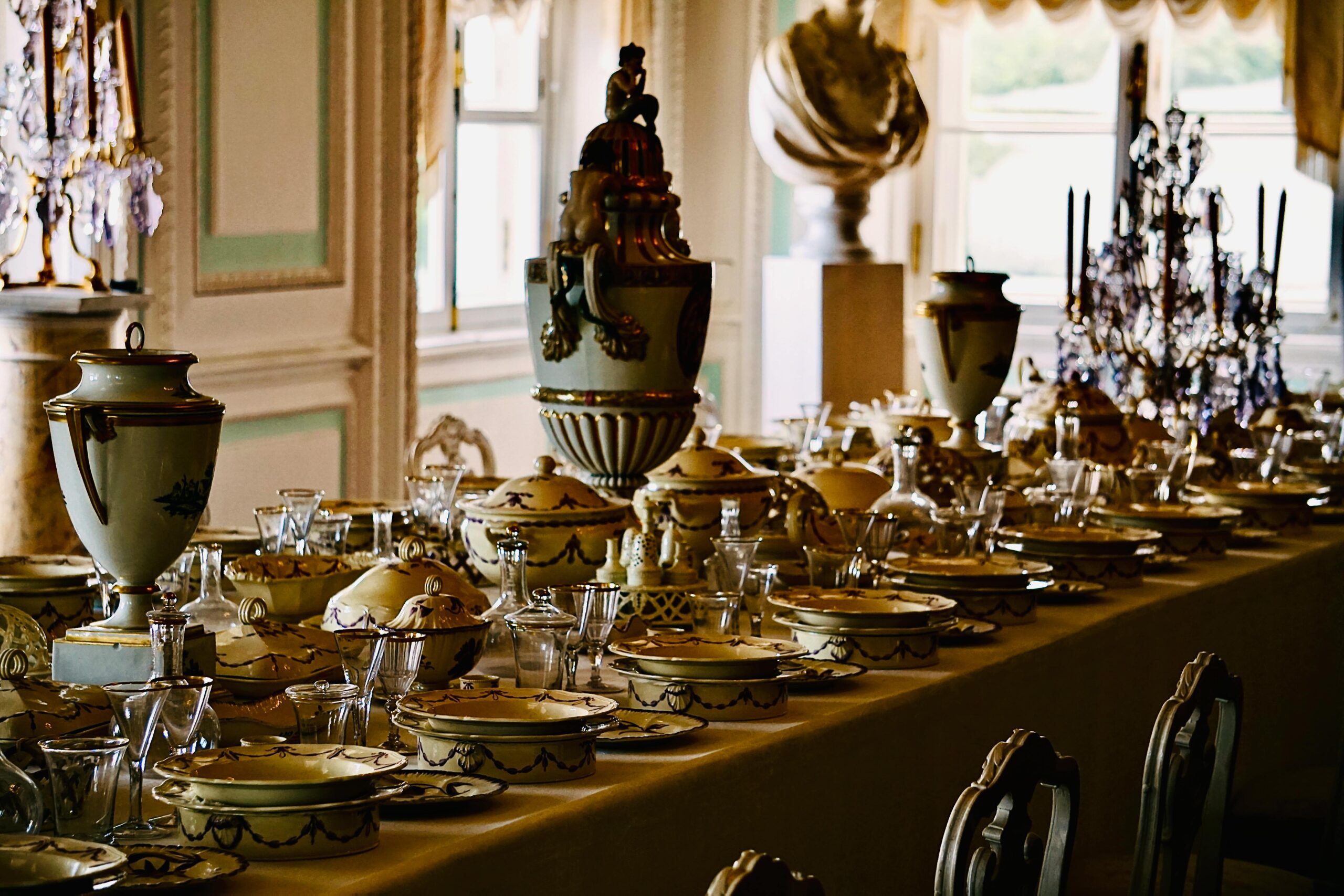
As political systems evolved from absolute monarchies toward constitutional governments and republics, the role of feasting in legitimizing authority transformed but didn’t disappear. Modern state dinners, inaugural celebrations, and diplomatic receptions continue traditions established centuries ago, adapted to contemporary contexts.
Today’s political leaders still use carefully orchestrated dining events to signal power, build alliances, and create favorable impressions. The settings have changed—from medieval great halls to modern state dining rooms—but the fundamental logic persists: sharing food creates bonds, displaying abundance demonstrates capacity, and controlling the table symbolizes controlling the state.
Presidential state dinners in Washington, royal banquets in European constitutional monarchies, and elaborate state receptions in capitals worldwide maintain the tradition of using gastronomy as governance. Modern media amplifies these events’ reach, allowing millions to witness displays of hospitality and power that once had audiences of hundreds.
The Enduring Recipe for Political Power 👑
The historical record reveals consistent patterns in how rulers across cultures and centuries used feasting to legitimize authority. Despite vast differences in cuisine, religion, and governmental structure, certain principles remained remarkably constant.
Successful political feasting required demonstration of abundance, careful orchestration of hierarchy, creation of inclusive moments that generated loyalty, and embedding meals within larger narratives of divine favor or cultural superiority. These elements combined to transform eating from biological necessity into political necessity.
The sophistication of these rituals reflects deep understanding of human psychology. Food satisfies basic needs while also carrying profound symbolic meaning. By controlling access to desirable foods and orchestrating their consumption, rulers tapped into fundamental human desires and social instincts, building authority on foundations more stable than military force alone.
Understanding this history enriches our perspective on contemporary political theater. When modern leaders host diplomatic dinners or attend state banquets, they participate in traditions stretching back millennia. The menu items and table settings may differ, but the underlying purpose remains recognizable: using the universal human experience of sharing meals to build, display, and legitimize power.
The legacy of royal feasting rituals reminds us that power has always been as much about perception and performance as about formal authority. By mastering the art of public eating, rulers throughout history discovered that the path to subjects’ loyalty often ran through their stomachs, creating bonds of obligation and demonstrating competence through the seemingly simple act of providing a memorable meal.
