
Anúncios
Throughout history, the simple act of sharing bread has transcended mere sustenance to become one of humanity’s most profound rituals for creating connection, trust, and lasting partnerships across cultures.
🍞 The Ancient Roots of Breaking Bread Together
The tradition of breaking bread as a symbol of alliance dates back millennia, weaving itself through the fabric of human civilization. From ancient Mesopotamian tablets to Egyptian hieroglyphs, evidence of communal bread-breaking ceremonies punctuates our collective history. This wasn’t merely about satisfying hunger—it represented a sacred contract, a moment where enemies could become friends and strangers could become family.
Anúncios
In ancient Rome, the word “companion” derives from the Latin “com” (with) and “panis” (bread), literally meaning “one who breaks bread with another.” This etymological foundation reveals how deeply embedded the concept of shared loaves became in defining human relationships. The Romans understood that those who ate together were bound by an unspoken covenant of mutual respect and protection.
Archaeological discoveries have unveiled elaborate bread-making facilities in ancient settlements, suggesting that bread production was not just a domestic activity but a communal enterprise. These shared spaces for creating daily bread became natural gathering points where social bonds were strengthened and alliances were forged through the simple act of preparing and distributing loaves.
Anúncios
The Spiritual Dimension of Shared Loaves
Religious traditions worldwide have elevated bread-sharing from cultural practice to spiritual sacrament. In Christianity, the Eucharist transforms bread into the body of Christ, creating an intimate bond between believers and the divine. This ritual simultaneously connects congregants to each other, forming a community of faith through shared consumption of consecrated bread.
Judaism’s Shabbat tradition centers around the blessing and sharing of challah, a braided bread that symbolizes unity and completeness. The act of breaking this bread together marks the transition from the secular workweek to the sacred day of rest, binding families and communities in weekly renewal of their collective identity.
Islamic cultures honor bread with remarkable reverence. Dropping bread is considered disrespectful, and there are traditions of kissing bread before consumption. The practice of breaking flatbreads and sharing them from communal platters creates an egalitarian dining experience where social hierarchies dissolve, and genuine human connection flourishes.
Eastern Perspectives on Communal Eating
Buddhist monasteries have long practiced communal meals where rice—the Eastern equivalent of Western bread—is shared equally among all members regardless of rank or seniority. This practice embodies the principle of sangha, the harmonious community of practitioners united in their spiritual journey. The shared meal becomes a meditation on interdependence and mutual support.
In Hindu traditions, the concept of prasad—food blessed and shared—extends beyond temples into daily life. When bread or other foods are offered to deities and then distributed among devotees, it creates a chain of connection linking the human to the divine and humans to each other through sacred consumption.
Diplomatic Bread: Forging Political Alliances Through Shared Meals
History’s greatest diplomatic achievements often occurred around tables laden with bread. The state dinner remains a cornerstone of international relations, where leaders break bread together before breaking down barriers between nations. These carefully orchestrated meals serve as neutral ground where adversaries can find common humanity.
During the Cold War, subtle shifts in menu selections and seating arrangements at diplomatic dinners signaled thawing relations or increasing tensions. The presence or absence of certain traditional breads could communicate volumes about a nation’s openness to cooperation. Soviet leaders serving Russian black bread to Western diplomats represented more than hospitality—it was an invitation into cultural understanding.
The Camp David Accords between Egypt and Israel in 1978 famously included numerous shared meals where Middle Eastern breads featured prominently. President Carter understood that breaking pita bread together in an informal setting could accomplish what formal negotiations sometimes could not: humanize the other side and build personal trust between leaders.
Modern Business Alliances and the Power Lunch
Contemporary business culture has inherited this ancient wisdom, transforming it into the “power lunch” and corporate dinner meetings. Silicon Valley entrepreneurs routinely seal multi-million dollar deals over artisan sourdough and craft sandwiches. The restaurant becomes a boardroom where the shared experience of dining lowers defenses and encourages authentic conversation.
Research in organizational psychology confirms what our ancestors knew instinctively: people who eat together collaborate more effectively. Companies investing in communal dining spaces report improved cross-departmental cooperation and increased innovation. The simple act of sharing bread—whether literal loaves or metaphorical meals—breaks down silos and builds bridges between teams.
The Neuroscience Behind Breaking Bread Together 🧠
Modern science has begun unraveling why shared meals create such powerful bonds. When we eat together, our brains release oxytocin, often called the “bonding hormone.” This neurochemical response reduces stress, increases feelings of trust, and promotes prosocial behavior. The act of breaking bread literally changes our brain chemistry, making us more disposed toward cooperation and alliance.
Studies using fMRI technology reveal that eating with others activates brain regions associated with social reward and pleasure processing. These neural pathways evolved over millions of years because group eating conferred survival advantages. Our ancestors who shared food and formed strong alliances through communal meals were more likely to survive threats and reproduce, embedding this behavior deep in our genetic code.
The synchronization of eating behaviors during shared meals creates what researchers call “behavioral mimicry”—unconsciously matching the pace and patterns of those around us. This subtle coordination builds rapport and mutual understanding without conscious effort. When we break bread together, we literally get in sync with our dining companions.
The Role of Carbohydrates in Social Bonding
Bread, specifically, offers unique properties that enhance social connection. The carbohydrates in bread trigger serotonin production, improving mood and creating feelings of contentment. Sharing bread means jointly experiencing this biochemical shift toward positive emotion, creating a shared emotional state that facilitates bonding and agreement.
The act of physically breaking bread with your hands engages sensory experiences that deepen memory formation. The texture, aroma, and taste of bread become associated with the people present, encoding the social experience more deeply in our minds. This multisensory engagement explains why we remember important meals and the alliances formed over them with such clarity.
Cultural Variations: How Different Societies Break Bread
While the symbolism of shared bread is universal, its expression varies beautifully across cultures. In Ethiopia, injera—a spongy sourdough flatbread—serves as both plate and utensil. The tradition of “gursha,” where diners feed each other by hand, creates an intimate trust exercise. Placing food directly into another person’s mouth requires vulnerability and trust, cementing bonds through this deeply personal act.
French culture has elevated bread-sharing to an art form. The baguette, broken and passed around the table, never cut with a knife, represents egalitarian values. Every person receives an imperfect torn piece, symbolizing that we all partake equally in life’s bounty. This practice reflects broader cultural values of liberté, égalité, and fraternité.
In Native American traditions, frybread carries complex symbolism—born from hardship yet becoming a unifying cultural element. Sharing frybread at powwows and gatherings connects Indigenous peoples to their history while creating bonds across tribal boundaries. The act of making and sharing this bread becomes an act of cultural preservation and inter-tribal alliance.
Middle Eastern Bread Traditions and Hospitality
Arabic cultures treat bread with exceptional reverence, reflected in the saying “bread and salt,” which represents an unbreakable bond between host and guest. When you’ve shared bread in someone’s home, you enter a protected status. This tradition creates immediate alliances, transforming strangers into honored guests with mutual obligations of respect and protection.
The tandoor oven in Indian and Pakistani cultures serves as a community focal point. Fresh naan and roti brought from the communal oven carry heat that represents the warmth of human connection. Sharing these breads while still hot from the oven creates an urgency to gather together, reinforcing the collective nature of the meal.
Breaking Bread in Times of Conflict and Reconciliation 🕊️
Some of history’s most powerful moments of reconciliation have centered on shared bread. Post-apartheid South Africa saw former enemies gathering for communal meals featuring traditional breads from all cultures. These carefully orchestrated events helped heal a divided nation by creating spaces where former adversaries could recognize their shared humanity.
Veterans’ organizations worldwide use shared meals to help soldiers reintegrate into civilian life. Breaking bread with fellow veterans creates bonds that transcend the trauma of combat, offering understanding without words. These meals acknowledge shared experiences while building bridges toward healing and normalcy.
Community organizations addressing gang violence have found success in programs centered around cooking and sharing bread together. When rival gang members knead dough side by side and break the resulting loaves together, it creates cognitive dissonance with their adversarial identities. The universal human experience of making and sharing food can override tribal animosities.
Refugee Integration and Bread as Bridge
Many successful refugee integration programs worldwide center on communal baking and bread-sharing. When refugees teach host communities to make traditional breads from their homelands, it transforms the narrative from “other” to “teacher.” The resulting shared meals create genuine cultural exchange, building alliances that ease the integration process.
Urban community centers hosting multicultural bread-baking workshops report decreased prejudice and increased cross-cultural friendships among participants. The collaborative process of making bread—which requires patience, attention, and shared effort—creates bonds that political rhetoric cannot easily break.
The Economics of Shared Loaves: Bread as Social Currency
Throughout history, bread has functioned as more than food—it’s been social currency. In medieval Europe, bread quality indicated social status, but sharing one’s bread elevated that transaction beyond economics into social obligation. The lord who shared bread with vassals created bonds of loyalty that transcended feudal contracts.
Modern food cooperatives and bread-sharing programs demonstrate how shared loaves continue to build community alliances. “Buy Nothing” groups and community pantries built around bread distribution create networks of mutual aid where economic transactions transform into social bonds. Giving and receiving bread establishes reciprocal relationships that strengthen community resilience.
Time banking systems, where services are exchanged without money, often include bread-baking as a valued contribution. The person who provides fresh bread to the community gains social capital that can be exchanged for other services, creating an alliance network based on shared resources rather than monetary transactions.
Teaching Children Alliance-Building Through Bread 👨👩👧👦
Educational programs incorporating bread-making teach children more than cooking skills—they learn cooperation, patience, and the joy of sharing. When children work together to create bread and then share it with classmates, teachers report decreased conflict and increased empathy. These early experiences with collaborative bread-making establish patterns of alliance-building that last into adulthood.
School lunch programs emphasizing family-style serving, where students pass dishes and break bread together rather than eating individually packaged meals, show improved social skills and reduced bullying. The ritual of serving each other and sharing communal bread creates a culture of mutual care and responsibility.
Youth leadership programs often include wilderness experiences where participants bake bread together over campfires. This combines the primal experience of fire with the civilizing ritual of bread-making, creating powerful bonding moments. These shared loaves, created through group effort in challenging conditions, become symbols of their collective capability and interdependence.
The Future of Breaking Bread: Technology and Tradition
In our increasingly digital age, the physical act of breaking bread together gains renewed significance. Virtual meetings and remote work have revealed what we lose when we don’t share physical space and meals. Forward-thinking companies are prioritizing in-person gatherings centered on shared meals, recognizing that alliances built over broken bread have a quality that video conferences cannot replicate.
Interestingly, food-sharing apps and communal dining experiences are growing in popularity, suggesting a cultural hunger for the connection that shared meals provide. These platforms facilitate stranger dinner parties and neighborhood bread exchanges, using technology to enable the ancient practice of alliance-building through shared food.
The slow food movement and artisan bread renaissance represent a conscious return to traditional bread-making and communal consumption. People are rediscovering that the time invested in making and sharing quality bread yields returns far beyond nutrition—it builds the social capital that makes communities resilient and life meaningful.
Crafting Your Own Bread-Breaking Rituals 🥖
You don’t need elaborate ceremonies to harness the alliance-building power of shared bread. Start simply: invite neighbors for a casual meal featuring bread you’ve made or selected with care. The act of presenting bread—whether homemade sourdough or artisan loaves from a local bakery—signals that you’ve invested thought and effort into creating a space for connection.
Create regular bread-breaking rituals in your life. A weekly family dinner where someone different chooses and presents the bread. Monthly gatherings with friends where each person brings bread from their cultural tradition. Annual reunions where breaking a special loaf marks the occasion’s significance. These repeated rituals create reliability and deepen bonds over time.
Consider the setting and presentation. Placing bread in the center of the table, rather than pre-sliced on individual plates, encourages the physical act of reaching, breaking, and passing—actions that facilitate interaction and conversation. Use this moment to pause, make eye contact, and acknowledge those present before eating.
Making Bread-Breaking Meaningful in Modern Life
In professional settings, suggest lunch meetings at restaurants known for excellent bread service, or bring quality loaves to share during team meetings. These small gestures signal that you value relationship-building alongside productivity. The colleagues who break bread together regularly develop trust that makes collaboration more effective.
When meeting someone new, especially in potentially adversarial contexts like negotiations or difficult conversations, propose meeting over a meal. The presence of food, particularly bread to share, changes the dynamic from confrontational to collaborative. Breaking bread together makes it psychologically harder to view the other person as an enemy.
Document and celebrate your bread-breaking moments. Photograph the people present, the breads shared, the occasions marked. These records become a visual history of your alliance-building—a testament to the relationships you’ve nurtured through the simple, profound act of breaking bread together.
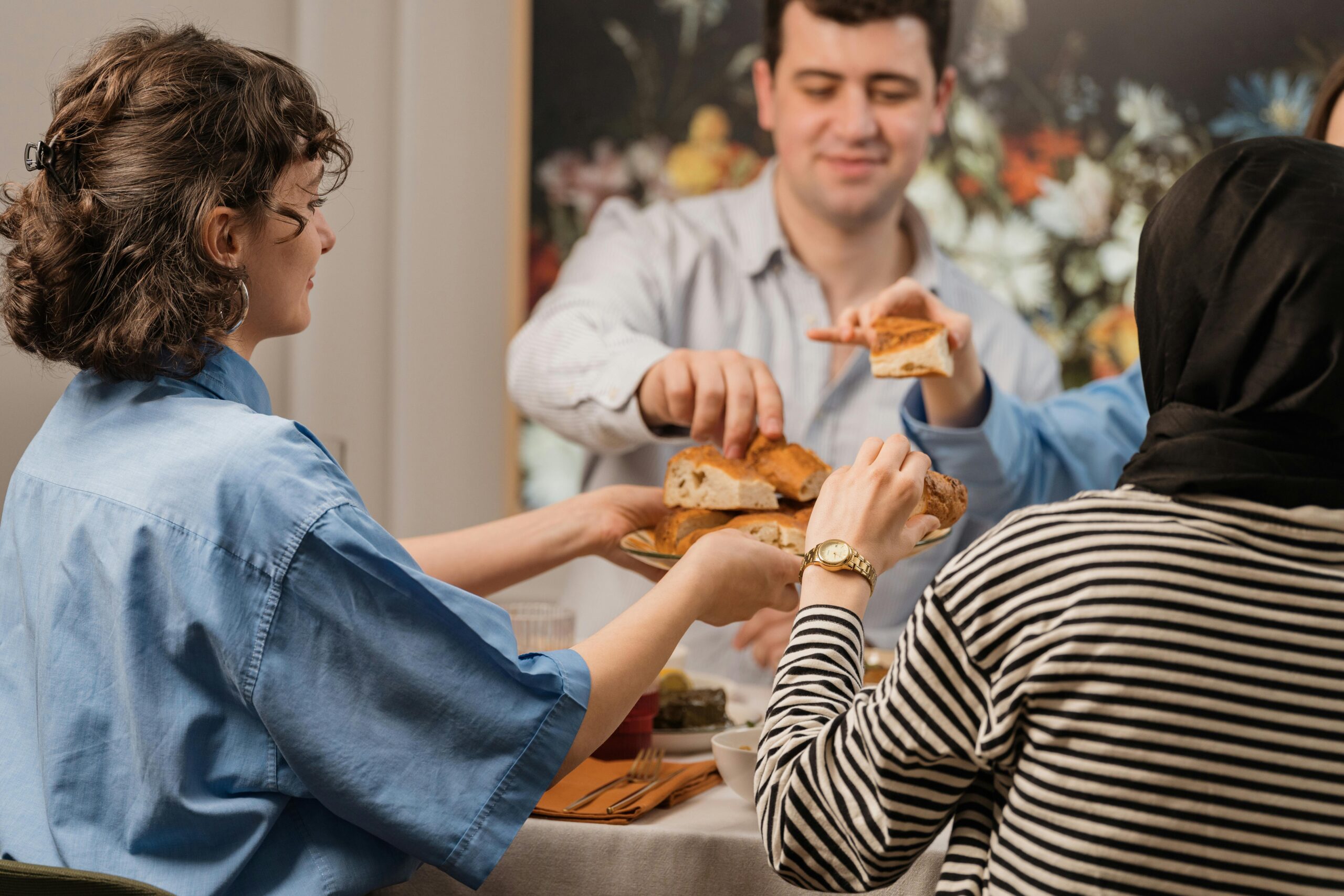
The Enduring Power of Shared Loaves in Human Connection
In a world of increasing division and digital disconnection, the ancient practice of breaking bread together offers a path toward genuine alliance and understanding. This isn’t nostalgia or romantic idealism—it’s neuroscience, anthropology, and common sense converging on a simple truth: we need each other, and sharing bread helps us remember that.
The symbolism of shared loaves transcends individual cultures while honoring all of them. Whether it’s sourdough, naan, tortillas, or injera, the specific bread matters less than the intention behind sharing it. What matters is the pause, the acknowledgment of mutual dependence, and the creation of space where trust can grow.
Every time we break bread with another person, we participate in a ritual older than recorded history, connecting us to countless generations who understood that alliances—whether between individuals, communities, or nations—are built in moments of shared vulnerability and nourishment. The bread we break today seeds the collaborations, friendships, and partnerships that will shape tomorrow.
So consider this an invitation: identify someone you’d like to build stronger alliance with—a neighbor, colleague, family member, or even a former adversary—and extend an invitation to break bread together. In that simple act lies transformative potential. The loaves we share today become the bonds that sustain us through whatever challenges tomorrow brings. In breaking bread, we truly build bonds that nourish far more than our bodies—they feed our souls and strengthen the social fabric that makes us fully human.
