
Anúncios
Smoke funnels are transforming the culinary world by delivering deep, smoky flavors to foods without relying on traditional heat sources, opening new possibilities for chefs and home cooks alike.
🔥 The Dawn of Cold Smoking Technology
For centuries, smoking food has been synonymous with heat, fire, and lengthy preparation times. Traditional smoking methods require maintaining specific temperatures for hours, sometimes days, to achieve that coveted smoky essence. However, innovative cold smoking technology using smoke funnels has disrupted this age-old practice, allowing food enthusiasts to infuse rich, complex flavors into ingredients without ever turning on a grill or smoker.
Anúncios
Smoke funnels operate on a remarkably simple yet effective principle: they generate smoke through controlled smoldering of wood chips, herbs, or other aromatic materials, then channel that smoke directly onto or into food items. Unlike hot smoking, which cooks food while flavoring it, cold smoking purely focuses on flavor infusion, preserving the original texture, temperature, and nutritional profile of ingredients.
This revolutionary approach has gained tremendous traction among professional chefs seeking to add dimension to their dishes and home cooks looking to experiment with gourmet techniques. The portability and ease of use make smoke funnels accessible to anyone interested in elevating their culinary creations beyond conventional seasoning methods.
Anúncios
Understanding How Smoke Funnels Actually Work
The mechanics behind smoke funnels are elegantly straightforward. These devices typically consist of a combustion chamber where wood chips, tea leaves, dried herbs, or spices are placed and ignited. Once lit, the material smolders rather than burns, producing cool smoke that travels through a tube or funnel directly to the food.
Most smoke funnels include a hand pump or battery-powered fan that propels the smoke forward, ensuring consistent delivery and preventing backdraft. The smoke can be directed into enclosed containers, under cloches, into cocktails, or directly onto plated dishes just before serving.
Temperature control is what distinguishes cold smoking from traditional methods. While hot smoking operates between 165°F and 300°F, cold smoking with funnels maintains temperatures below 90°F, often staying at room temperature or slightly above. This crucial difference means delicate items like cheese, butter, cream, cocktails, and even desserts can receive smoky notes without melting, curdling, or cooking.
Components of a Quality Smoke Funnel System
Professional-grade smoke funnels share several key components that ensure consistent performance and safety:
- Heat-resistant combustion chamber constructed from stainless steel or similar materials
- Flexible or rigid smoke delivery tube that can be positioned precisely
- Air pump mechanism (manual or electric) for controlled smoke flow
- Secure base to prevent tipping during operation
- Easy-access fuel chamber for quick refilling and cleaning
- Temperature isolation to prevent heat transfer to the delivery end
🍽️ Applications That Transform Ordinary Dishes
The versatility of smoke funnels extends far beyond what most people initially imagine. While meats and fish are obvious candidates for smoke enhancement, the true magic happens when applying this technique to unexpected ingredients and preparations.
Dairy products respond exceptionally well to cold smoking. Soft cheeses like mozzarella, ricotta, and cream cheese absorb smoky flavors readily, creating depth without altering their creamy textures. Butter transformed through smoke infusion elevates everything from simple toast to compound butter preparations for steak finishing.
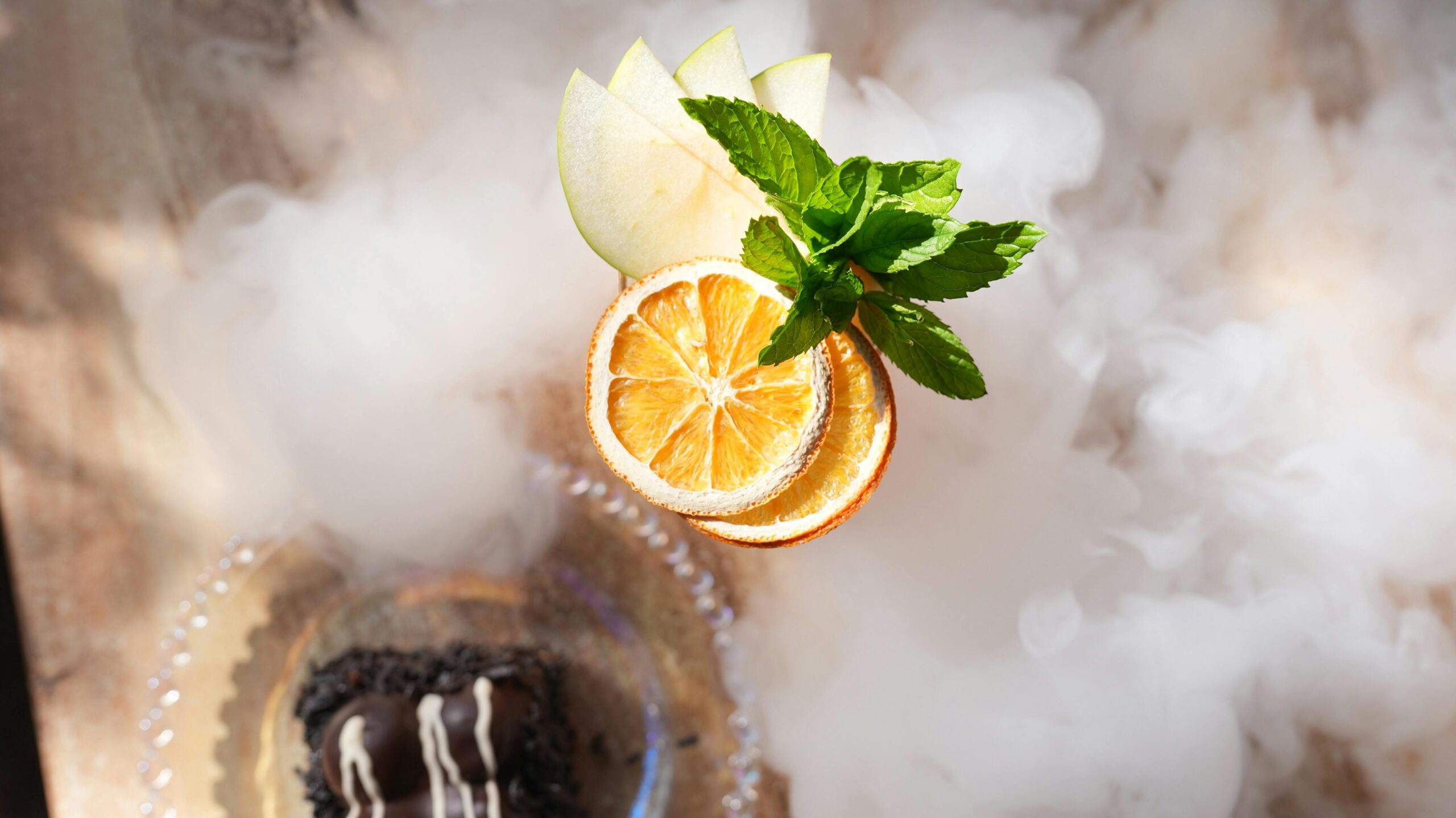
Cocktail culture has embraced smoke funnels enthusiastically. Mixologists now routinely smoke glasses before pouring, infuse spirits with transient smoke notes, or create dramatic tableside presentations by enveloping entire cocktails in aromatic clouds. An Old Fashioned or Manhattan gains remarkable complexity when the glass receives a brief smoke treatment before the liquid is added.
Vegetables and fruits also benefit from this technique. Tomatoes, peppers, eggplant, and mushrooms develop umami-rich profiles when exposed to smoke. Even delicate items like avocados, strawberries, and peaches can receive subtle smoky undertones that complement their natural sweetness.
Dessert Applications Breaking New Ground
Perhaps the most exciting frontier for smoke funnels exists in pastry and dessert applications. Ice cream, panna cotta, custards, and chocolate preparations can all receive smoky notes that create surprising and delightful contrasts.
Imagine a vanilla bean ice cream with whispers of applewood smoke, or a dark chocolate mousse enhanced with cherry wood aromatics. These combinations challenge traditional flavor expectations while remaining approachable and sophisticated.
Pastry chefs have discovered that smoking sugar creates a versatile ingredient for rimming cocktail glasses, finishing crème brûlée, or incorporating into meringues. The possibilities expand exponentially once you recognize that nearly any ingredient can potentially benefit from smoke enhancement.
Selecting Wood and Fuel for Optimal Flavor Profiles
The fuel you choose for your smoke funnel dramatically impacts the final flavor profile. Different woods, herbs, and spices produce distinct aromatic signatures that pair better with certain ingredients than others.
Hardwoods remain the foundation of most smoking applications. Each variety offers unique characteristics:
| Wood Type | Flavor Profile | Best Pairings |
|---|---|---|
| Applewood | Sweet, mild, fruity | Pork, poultry, cheese, desserts |
| Hickory | Strong, bacon-like, hearty | Beef, game meats, robust cheeses |
| Cherry | Mild, sweet, slightly tart | Chicken, fish, vegetables, chocolate |
| Mesquite | Intense, earthy, bold | Red meats, hearty vegetables |
| Maple | Sweet, subtle, balanced | Poultry, pork, breakfast items |
| Oak | Medium strength, versatile | Nearly everything, especially beef |
Beyond traditional woods, creative cooks have experimented with tea leaves, dried herb bundles, cinnamon sticks, star anise, and even dried citrus peels. These alternative fuels open entirely new flavor dimensions unavailable through wood alone.
Blending Fuels for Signature Flavors
Advanced users often create custom blends combining multiple woods or mixing woods with herbs and spices. A combination of applewood chips with dried rosemary and orange peel creates a complex smoke perfect for duck or lamb. Cherry wood mixed with vanilla bean produces an extraordinary smoke for dessert applications.
Experimentation is key to discovering personal favorites. Start with single-source woods to understand their individual characteristics, then gradually experiment with combinations that complement your cooking style and preferred ingredients.
⚡ Techniques for Maximum Flavor Impact
Successfully infusing foods with smoke requires more than simply pointing a funnel at ingredients. Proper technique ensures even distribution, appropriate intensity, and integration with the dish’s overall flavor profile.
Duration matters significantly. Over-smoking creates acrid, bitter flavors that overpower rather than enhance. Most applications require only 30 seconds to 2 minutes of smoke exposure, with delicate items like fish and desserts needing even less time.
Containment enhances smoke absorption. Enclosing items in a sealed container, covering with a cloche, or wrapping tightly in plastic wrap after smoking allows the smoke to penetrate more deeply. This technique works exceptionally well for cheeses, butter, and room-temperature preparations.
Temperature of ingredients affects absorption rates. Room temperature foods absorb smoke more readily than refrigerated items. Allowing cheese, meats, or other ingredients to come to room temperature before smoking yields better results, though food safety considerations must always take precedence.
Layering Smoke Throughout the Cooking Process
Rather than applying smoke as a single finishing touch, consider incorporating it at multiple stages. Smoking raw ingredients before cooking, adding smoke during preparation, and finishing with a final smoke presentation creates layers of complexity that single applications cannot achieve.
For example, when preparing a risotto, you might smoke the stock before beginning, smoke the rice midway through cooking under a cloche for 30 seconds, and finish the plated dish with a final smoke presentation tableside. Each layer contributes different aromatic notes that combine into something greater than the sum of parts.
🏆 Advantages Over Traditional Smoking Methods
Smoke funnels offer numerous practical advantages that make them superior to traditional smoking for many applications. Speed ranks among the most significant benefits—what once required hours or days now takes minutes or seconds. This efficiency makes smoking practical for everyday cooking rather than special occasion preparations only.
Precision control allows for exact smoke intensity. Traditional smoking requires constant monitoring of temperature, airflow, and fuel consumption. Smoke funnels eliminate these variables, providing consistent results with minimal expertise or experience required.
Space requirements decrease dramatically. A smoke funnel occupies minimal counter or storage space compared to dedicated smokers that can weigh hundreds of pounds and require outdoor installation. Urban dwellers with limited space can now incorporate smoking techniques into their culinary repertoire.
Safety concerns diminish substantially. The controlled combustion in smoke funnels produces minimal heat and contains the burning material securely. Risk of flare-ups, grease fires, or structural fires decreases compared to traditional smoking methods that involve sustained heat and open flames.
Cost Effectiveness and Accessibility
Entry-level smoke funnels cost a fraction of what traditional smokers demand, with quality handheld models available for under fifty dollars. Professional-grade equipment with electric pumps and precision controls rarely exceeds two hundred dollars, making this technology accessible to virtually any budget.
Fuel consumption is minimal. A tablespoon of wood chips can produce sufficient smoke for multiple applications, whereas traditional smoking consumes pounds of wood or charcoal per session. This efficiency translates to ongoing cost savings and reduced environmental impact.
Safety Considerations and Best Practices
While smoke funnels are considerably safer than traditional smoking methods, proper precautions ensure risk-free operation. Always use devices on heat-resistant surfaces and never leave combustion chambers unattended while lit.
Adequate ventilation prevents smoke accumulation in enclosed spaces. While the smoke volume is relatively small, sustained use in poorly ventilated areas can trigger smoke detectors or create respiratory irritation. Operating near open windows or under range hoods provides sufficient airflow for most applications.
Food safety principles remain paramount. Smoke funnels do not cook food or eliminate pathogens. Items requiring cooking for safety must still reach appropriate internal temperatures through conventional methods. Cold smoking adds flavor but does not preserve food or extend shelf life in ways that hot smoking can.
Cleaning devices after each use prevents flavor cross-contamination and maintains optimal performance. Residue buildup can impart stale or bitter flavors to subsequent smoking sessions. Most smoke funnels disassemble easily for thorough cleaning with soap and water.
💡 Creative Applications Beyond the Kitchen
Innovative uses for smoke funnels extend beyond culinary applications into cocktail culture, aromatherapy, and even home fragrance. The same technology that flavors food can create ambiance, enhance experiences, and engage multiple senses simultaneously.
Event planners and caterers use smoke funnels for dramatic presentations that captivate guests. Unveiling a dish from beneath a smoke-filled cloche creates theater and anticipation. The visual impact combined with aromatic appeal makes any dish feel more special and memorable.
Cocktail enthusiasts have developed elaborate smoking rituals, sometimes using specific woods matched to spirits’ barrel aging profiles. Bourbon cocktails smoked with charred oak chips echo the spirit’s production process, creating harmonious flavor continuity.
Some creative individuals use food-safe smoke to scent linens, create aromatic atmospheres for gatherings, or add dimension to homemade candles and soaps. While these applications fall outside traditional culinary use, they demonstrate the versatility of controlled smoke generation.
The Future of Flavor Enhancement Technology
As smoke funnel technology matures, innovations continue emerging. Smart devices with temperature sensors, automated pump controls, and connectivity features allow precision previously impossible. Some advanced models include recipe databases suggesting optimal wood types, smoke duration, and techniques for specific ingredients.
Miniaturization trends are producing increasingly portable devices suitable for camping, picnics, and travel. Pocket-sized smoke infusers enable gourmet techniques anywhere, breaking down barriers between home cooking and outdoor adventure.
Culinary education increasingly incorporates smoke funnel techniques into curricula. As more chefs train with these tools, creative applications will continue expanding, pushing boundaries of what seems possible with cold smoke enhancement.
Research into alternative fuel sources explores sustainability and novel flavor profiles. Experimenters have successfully used grape vine cuttings, coffee grounds, hay, and various agricultural byproducts to create unique smoke characteristics unavailable from traditional woods.
🌟 Making Smoke Funnels Work for Your Cooking Style
Integrating smoke funnels into your regular cooking routine begins with identifying dishes that would benefit most from enhanced flavor complexity. Start with familiar preparations you already enjoy, then experiment with subtle smoke additions to gauge your preferences.
Begin conservatively with smoke intensity and duration. You can always add more smoke, but over-smoked food cannot be corrected. Most people underestimate how quickly smoke flavors develop and initially apply too much, creating bitterness rather than enhancement.
Keep detailed notes about wood types, smoke duration, and results. Building a personal reference helps replicate successes and avoid repeating mistakes. Note which combinations work well and which fall flat, gradually developing expertise through documented experience.
Join online communities where smoke funnel enthusiasts share techniques, recipes, and discoveries. The collective knowledge available through forums, social media groups, and video platforms accelerates learning and exposes you to applications you might never discover independently.
Smoke funnels represent a genuine revolution in flavor enhancement, democratizing techniques once reserved for specialists with expensive equipment and extensive training. By delivering rich, complex smoky tastes without heat, these devices open creative possibilities limited only by imagination and willingness to experiment.
Whether you’re a professional chef seeking competitive advantages, a home cook exploring new techniques, or a cocktail enthusiast wanting to impress guests, smoke funnels offer accessible, practical, and remarkably versatile tools. The investment is modest, the learning curve gentle, and the potential for creating memorable culinary experiences virtually unlimited. As this technology continues evolving and more people discover its capabilities, smoke-enhanced foods will likely transition from novelty to expectation in many dining contexts. The future of flavor is here, and it arrives on clouds of aromatic smoke requiring no fire, no heat, just creativity and quality ingredients waiting for transformation. ✨
